Cat urine odors can linger in bedding and mattresses if not addressed promptly. A combination of enzymatic cleaners, thorough cleaning tools, and proper drying is essential for effective odor removal. This guide provides a practical, step-by-step approach tailored to American homes, focusing on safe products and accessible methods.
Quick Answer
Immediate action matters. Blot with a clean cloth, apply an enzymatic cleaner designed for cat urine on mattresses, and thoroughly rinse. Use a portable steam cleaner for stubborn stains, followed by thorough drying. For persistent odors, consider an ozone-based option only in unoccupied spaces and with caution.
What You’ll Need
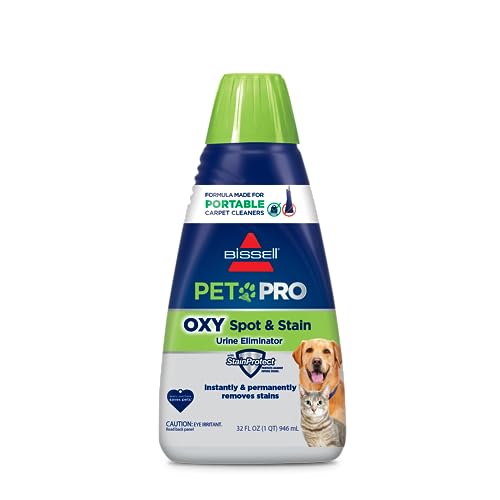
- Enzyme cleaner for cat urine mattress
- Pet urine odor remover spray for bed mattress
- Portable steam cleaner for pet stains mattress
- Mattress cleaning brush kit for pet stains
- Ozone odor remover for cat urine bedding


Before You Start
Assess the affected area and remove all bedding. Work in a well-ventilated space and wear gloves. Patch test any cleaner on a small, inconspicuous area of the mattress to avoid color damage. Time estimates vary: surface cleaning may take 30–60 minutes, while deep odor treatment can require several hours or a night of airing and drying. Never mix cleaning agents and avoid using heat on a still-wet mattress, which can set odors.
Step-By-Step: How To Use Enzymatic Cleaners And Other Tools
- Remove bedding and launder on a hot cycle; air dry or tumble on low heat if safe for fabrics.
- Blot excess urine with a clean, absorbent towel; press firmly to lift moisture without rubbing.
- Apply enzyme cleaner directly to the soiled area following product directions. Enzymes break down odor-causing compounds.
- Scrub gently with a mattress cleaning brush kit to lift residues from fabric and seams.
- Rinse lightly or blot as needed to remove suds, then blot again to remove moisture.
- Use a portable steam cleaner on a low, steady setting to loosen residual organic material without soaking the mattress core.
- Overlay with an odor remover spray for bed mattress to neutralize lingering scents and refresh fibers.
- Air dry completely in a well-ventilated area. Use fans or a dehumidifier to speed up drying; ensure the mattress is dry before remaking the bed.
- Repeat if necessary. Tough odors may require a second treatment after 24 hours.
- Optional ozone treatment only in unoccupied spaces and following safety guidelines. Do not use while people or pets are present.
- Reassemble bedding once the mattress is fully dry and odor-free to prevent returning odors.
Troubleshooting
| Symptom | Likely Cause | Fix | Prevention |
|---|---|---|---|
| Residual odor after cleaning | Insufficient enzyme activity or incomplete drying | Reapply enzyme cleaner; extend drying time | Attach a moisture meter and ensure 100% dryness |
| Streaks or staining | Over-wetting or improper brushing | Blot, avoid rubbing, and use minimal moisture | Test cleaner first on fabric |
| New urine odor appears | Reoccurrence from pet access or contamination | Address pet behavior and repeat cleaning | Protect mattress with a washable cover |
| Allergic or chemical smell from cleaners | Overuse of strong products | Switch to gentler enzymatic cleaners and ventilate | Ventilate during and after cleaning |
Common Mistakes
- Using only water or household cleaners that don’t neutralize enzymes
- Cleaning a damp mattress without adequate airflow, leading to mold
- Rubbing rather than blotting, which spreads urine deeper into fibers
- Ignoring smell in seams and borders where urine can soak
Tips For Best Results
- Act quickly; fresh urine is easier to remove than dried deposits.
- Use separate tools for cleaning and odor control to prevent cross-contamination.
- Protect the bed with a washable, waterproof mattress protector after cleaning.
- Keep pets out of the room until the mattress is fully dry and odor-free.
- Test any product on a small area first to verify colorfastness.
Call A Professional
Consider a professional cleaning if the odor persists after multiple at-home treatments, the mattress shows staining deep in the core, or you suspect mold growth. Stop using ozone treatments if anyone is present in the home; professionals can manage safe, high-ventilation ozone remediation and ensure complete drying and sanitation.
FAQ
Can cate urine odor be removed completely from a mattress?
Yes, with a combination of enzymatic cleaners, thorough drying, and proper odor neutralizers, most odors can be eliminated.
Is ozone safe for mattresses?
Ozone can be effective but must be used in unoccupied spaces and with strict safety precautions. Follow manufacturer guidelines.
How long should I wait before sleeping on the bed after cleaning?
Allow full drying, typically 6–24 hours, depending on ventilation and humidity.
What if the smell comes back after a few days?
Reassess for remaining moisture or new pet access; treat again with enzyme cleaners and ensure complete drying.
Buying Guide
Choosing the right products and setup helps prevent recurring odors and extends mattress life. Consider size, odor severity, and sleeping arrangements when selecting tools and cleaners.
- <bSize and fit: Ensure cleaners and brushes are suitable for your mattress dimensions and fabric type.
- <bNoise and energy use: Portable steam cleaners vary in noise and power; opt for models with adjustable steam and quiet operation if possible.
- <bEnergy efficiency: While not primary for a one-off clean, pick energy-efficient devices to save electricity during longer drying sessions.
- <bControls: Look for simple interfaces and clear instructions for enzymatic cleaners and steam devices.
- <bPlacement: Clean in a well-ventilated area; avoid basements or damp rooms that slow drying.
For comparisons, evaluate kit contents, availability of replacement parts, and compatibility with your mattress cover. A practical approach combines enzyme cleaners with a supportive drying plan and a protective mattress cover to reduce future incidents.