Accidents happen, especially with toddlers. When urine soaks into couch fabric, quick action minimizes staining, odor, and lingering bacteria. This guide walks through safe, effective methods using common household tools and select cleaners to restore upholstery.
Readers will learn a practical approach that balances enzyme cleaners, targeted extraction, and careful drying to keep your sofa looking and smelling fresh without damaging fabrics.
Quick Answer
Act fast with blotting, apply an enzymatic cleaner designed for upholstery and pet urine, then use a steam or extractor vacuum to lift moisture. Finish with a thorough drying and odor check. For persistent stains, repeat the treatment and sanitize with a microfiber cloth for best results.
What You’ll Need
- Enzyme cleaner for upholstery pet urine 32oz spray
- Handheld upholstery steam cleaner for couch fabric
- Carpet and upholstery extractor wet dry vacuum with attachments
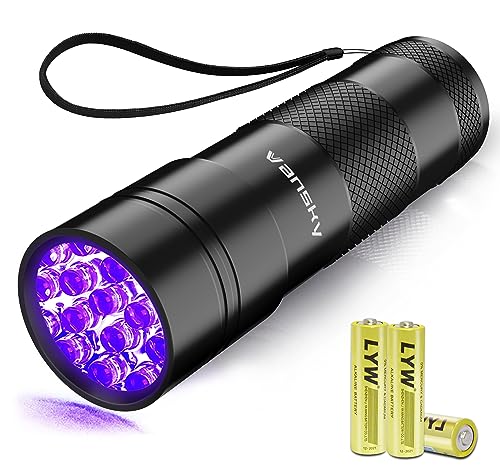
- Blacklight flashlight urine detector for upholstery
- Microfiber cleaning cloths for upholstery sofa


Before You Start
Before treating the stain, softly blot the area with a clean cloth to absorb as much urine as possible. Do not rub, which can push urine deeper into fibers. Check the fabric care tag on the couch (for example, “W,” “S,” or “W-S”) to determine acceptable cleaning methods. If you have pets that frequently urinate in the same area, plan for multiple passes and thorough drying. Expect a total turnaround time of 2–6 hours depending on fabric and ventilation. Safety note: test cleaners on an inconspicuous area first to avoid color fading or damage.
Step-By-Step: How To Clean Toddler Pee From Couch
- Identify the spot using a blacklight flashlight urine detector for upholstery to locate any missed traces beyond the obvious stain.
- Gently blot the area with a clean microfiber cloth to remove as much liquid as possible without rubbing.
- Apply the enzyme cleaner for upholstery pet urine according to the product label, ensuring the fabric is evenly treated.
- Let the cleaner dwell for the recommended contact time to break down uric acid and proteins.
- Use the handheld upholstery steam cleaner for couch fabric to lift and loosen residue, following the manufacturer’s guidance for fabric-safe use.
- Run the carpet and upholstery extractor wet dry vacuum with attachments over the area to extract moisture and cleaning solution.
- Inspect the area with the blacklight again to ensure all traces are treated; repeat cleansing if necessary.
- Place a dry towel or microfiber cloth over the spot and apply gentle pressure to wick remaining moisture.
- Allow the couch to air dry completely. Increase airflow with a fan or open windows if weather permits.
- Once dry, recheck for any odor. If smell persists, apply a light deodorizing spray or re-treat with the enzyme cleaner and re-dry.
- For future protection, consider a washable slipcover or fabric-safe sealant if approved for your furniture.
Troubleshooting
| Symptom | Likely Cause | Fix | Prevention |
|---|---|---|---|
| Persistent odor after drying | Residual urine or incomplete cleaning | Re-apply enzyme cleaner and redo extraction; extend drying time | Address spills immediately; use protective covers |
| Color change after cleaning | Fabric not compatible with cleaner | Spot-test with a milder product or consult fabric care tag | Always test on hidden area first |
| Stiff or crunchy fabric after drying | Excess cleaning solution | Blot and gently rinse with clean water or a mild solution, then repeat extraction | Use minimal cleaner and thorough extraction |
| Re-soiling soon after cleaning | Urine odors not fully neutralized | Re-treat with enzyme cleaner and ensure complete drying | Address moisture and odors promptly |
Common Mistakes
- Using household bleach or ammonia-based cleaners on upholstery
- Over-wetting fabric, which can lead to mold or mildew
- Rubbing urine into fibers, spreading the stain
- Failing to follow fabric care instructions or test spots
Tips For Best Results
- Act quickly to minimize odor absorption by the padding.
- Always perform a spot test on an inconspicuous area before full application.
- Use enzymes specifically designed for pet urine for best odor neutralization.
- Thin evenly and avoid saturating grain- or texture-sensitive fabrics.
- Ensure thorough drying with airflow to prevent a damp, musty smell.
Call A Professional
Choose a professional if the stain covers a large area, the fabric is delicate (silk, velvet, or suede), or odor persists after multiple treatments. Seek immediate help if you notice mold, persistent discoloration, or if the couch contains foam cushioning that could harbor bacteria. Do not delay treatment on waterlogged cushions, which can lead to structural damage or health concerns.
FAQ
Can I use any enzyme cleaner for upholstery on a couch?
Yes, use a product labeled for upholstery and pet urine, and follow the label directions for concentration and dwell time.
Is steaming safe on all couch fabrics?
Steaming is generally safe for many fabrics, but always test first and avoid heat-sensitive materials like silk or velvet.
How long should the couch dry after cleaning?
Drying time varies by fabric and environment but aim for 2–6 hours with good air circulation.
What if the stain returns after days?
Re-treat the area with enzyme cleaner and re-extract moisture. Odor issues may require repeated cleaning and ventilation.
Are there alternatives to enzyme cleaners?
General cleaners may help with surface stains, but enzyme cleaners are typically more effective for organic urine odors.
Buying Guide
When choosing tools and products for cleaning toddler urine from a couch, consider size, performance, and compatibility with upholstery fabrics. A compact handheld steam cleaner paired with a dedicated enzyme cleaner can cover many scenarios, while a carpet and upholstery extractor adds deep extraction power for larger spills. A blacklight urine detector helps locate faint traces, ensuring thorough cleaning beyond the obvious stain. Microfiber cloths are essential for gentle blotting and finishing touches.
Key buying factors include:
- <bSize and weight: Compact gear for easier handling on sofas and tight spaces, with optional larger extractors for basements or multiple rooms.
- <bNoise level: Quiet models help maintain a calm home environment for families with young children.
- <bEnergy efficiency: Look for devices with efficient motors and short drying times to minimize energy use and moisture retention.
- <bControls and ease of use: Simple spray bottles, clear instructions, and adjustable suction or heat settings improve outcomes for beginners.
- <bPlacement and storage: Choose tools that store neatly in a cleaning caddy or cabinet, ready for quick access after spills.
By selecting the right combination of enzyme cleaners, compact extraction, and precise spot-checks with a blacklight detector, households can handle toddler accidents effectively while protecting sofa fabrics and extending furniture life.