Smelly water can indicate contamination or mineral buildup that affects taste, odor, and safety. This guide walks American homeowners through practical steps to neutralize odors in well and municipal water, from quick fixes to longer-term solutions. Each method is explained with achievable, safe options and real-world considerations for typical American homes.
Quick Answer
Identify the odor source—chlorine, sulfur, or organic compounds—then apply a corresponding solution: carbon filtration for general odors, sulfur-targeted filters for sulfur smells, aeration kits for well water odors, UV purification for bacteria, or a reverse osmosis system for comprehensive odor and taste improvements in drinking water.
What You’ll Need
- Activated carbon water filter cartridge 10 inch for odor removal
- Inline water filter 5 micron for sulfur smell in well water
- Well water treatment kit with aerator and filter for odor
- UV water purifier for odor and bacteria control 4 GPM
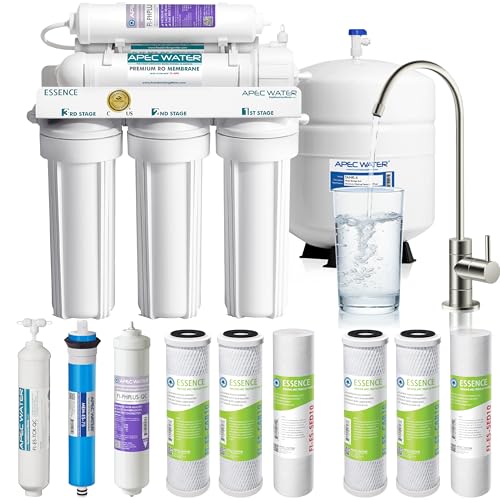
- Reverse osmosis system for odor removal in home drinking water


Before You Start
Assess your water source first: well water often contains sulfur or iron odors, while municipal water may have chlorine or organic compounds. Test your water using a home kit or a lab to determine the primary odor and contaminants. Expect a staged approach: filtration to remove odors, aeration for gas exchange, and, if needed, disinfection for bacteria control. Plan for a weekend or two to install and test multiple components. Safety note: turn off water supply before any filter work and relieve pressure safely to avoid leaks.
Step-By-Step: How To Eliminate Odor From Water
- Test water and identify odors. Collect samples and compare against common odor profiles (chlorine, sulfur, musty, metallic).
- Install a carbon-based filtration stage. Fit the Activated carbon water filter cartridge 10 inch for odor removal in the cold-water line to reduce volatile organic compounds and general odors.
- Add targeted sulfur filtration. If tests show a sulfur smell (rotten egg), install the Inline water filter 5 micron for sulfur smell in well water inline with the supply.
- Consider a well-specific treatment kit. For well systems with persistent odor, use the Well water treatment kit with aerator and filter for odor to aerate and remove gases before reaching the home.
- Incorporate aeration when needed. Attach the aerator in the well line to promote gas exchange and reduce dissolved gases that contribute to odor.
- Enhance safety with UV disinfection. If bacteria or biofilms are a concern, install the UV water purifier for odor and bacteria control 4 GPM to neutralize microbes without affecting taste.
- Implement final polishing with reverse osmosis. For the cleanest drinking water, install a Reverse osmosis system for odor removal in home drinking water, ensuring it vents properly and maintains pre- and post-filters.
- Perform system flushes and routine maintenance. After installation, flush each stage per manufacturer instructions and schedule filter changes every 6–12 months depending on usage and water quality.
- Test after installation. Re-test the water to confirm odor reduction and confirm that taste has improved without off-notes.
- Document maintenance. Keep a log of filter replacements and UV lamp changes for ongoing effectiveness.
- Plan for ongoing water quality checks. Consider periodic testing, especially after weather events or changes in well levels.
Troubleshooting
| Symptom | Likely Cause | Fix | Prevention |
|---|---|---|---|
| Persistent sulfur smell | Sulfur compounds in well water | Inline filter for sulfur; run aeration | Regularly monitor well water chemistry |
| Musty or moldy odor | Organic compounds or biofilm in pipes | Carbon filtration upgrade; flush lines | Maintain filters; sanitize with professional guidance |
| Chlorine taste/odor | Municipal chlorination or residual disinfectant | Carbon filtration; consider additional polishing stages | Periodically test for residual chlorine |
| Water looks cloudy after filtration | Sediment or filter bed disturbance | Flush system; replace prefilters | Use sediment filters in first stage |
| UV lamp not active | Lamp age or improper installation | Replace UV lamp; check electrical connections | Follow annual UV maintenance |
Common Mistakes
- Underestimating the odor source and trying only one filter stage
- Overlooking proper filter maintenance intervals
- Installing multiple devices without appropriate sequence or flow considerations
- Ignoring safety notes when working with well water and electricity
Addressing odor requires a balanced approach that targets taste, odor compounds, and potential biological factors. A layered system often yields the best results without overcomplicating plumbing.
Tips For Best Results
- Start with a quality carbon filtration as the baseline for odor removal.
- Match filter replacement intervals to your water usage and test results.
- Place the filtration system where it serves the entire household water supply if possible.
- Keep a spare UV lamp and replacement parts on hand to minimize downtime.
- Ensure pressure ratings and flow rates align with your household needs to avoid reduced water pressure.
Call A Professional
Some situations require expert care. Contact a licensed plumber or water-treatment professional if you notice any of the following:
- Repeated leaks or corrosion after installation
- Very high iron or mineral content causing scaling despite filters
- Unexplained health concerns or potential contamination
- Complex well systems or intricate UV installations beyond basic DIY scope
FAQ
What causes smelly water in a well system?
Common causes include hydrogen sulfide gas, aerobic bacteria, and mineral buildup, all of which respond to targeted filtration and aeration strategies.
Can I install a filter myself to remove odors?
Yes, for many homes, basic carbon filters and inline sulfur filters can be installed by homeowners with careful following of instructions and local codes.
Is a UV purifier effective for odor?
UV purifiers mainly control bacteria and can help with certain odors associated with biological activity, but they do not remove chemical odors alone.
How often should filters be changed?
Replacement intervals depend on usage and water quality, but most carbon and sediment filters are changed every 6–12 months, while RO membranes vary by system.
Should I test water after each change?
Yes—testing confirms odor reduction and ensures that the system operates correctly after modifications.
Is a reverse osmosis system necessary for odor removal?
RO systems provide comprehensive taste and odor improvement for drinking water, but many homes achieve satisfactory results with staged carbon and aeration alone.
What maintenance schedule is best for a home odor-removal setup?
Follow manufacturer guidelines, perform annual checkups, and schedule routine tests to catch performance declines early.
Buying Guide
Choosing the right odor-control solution involves evaluating size, noise, energy use, controls, and placement. The following factors help prioritize options:
- Size and flow: Determine the household water demand and pick a filtration system with appropriate capacity (gpm) to avoid pressure drops.
- Noise level: Some aeration and RO systems have minor noise; look for quiet operation in the product specs, especially for under-sink or basement installations.
- Energy efficiency: UV purification uses electricity; compare wattage and duty cycle to maximize efficiency without compromising disinfection.
- Controls and maintenance: Prefer systems with clear indicators for filter changes and easy customization of flow paths for odor removal.
- Placement: Whole-house filters are convenient but require space and professional installation; under-sink RO systems focus on drinking water quality with minimal footprint.
- Compatibility: Ensure components fit existing plumbing and are compatible with well or municipal water supply.
- Cost of ownership: Consider initial cost, replacement filter prices, and expected lifespans to estimate long-term expenses.
- Performance expectations: For strong odors, a multi-stage approach combining carbon filtration, aeration, and a final polishing stage often yields best results.
Would you benefit from a single multi-function unit or staged upgrades? A practical path for many homes starts with a carbon-based filter and inline odor control, then adds aeration or UV treatment if odor or bacteria persists. Always align product choices with water test results for reliable odor elimination.