Maintaining a clean dishwasher is essential for removing odors, ensuring dishes come out sparkling, and extending the appliance’s life. This guide provides a practical, step-by-step approach to deep cleaning a standard residential dishwasher using common tools and a few specialty items.
With routine care, you can prevent buildup in the spray arms, filter, and interior. The methods below focus on safe practices, effective cleaning agents, and targeted tools to reach hard-to-clean corners of the appliance.
Quick Answer
Deep clean your dishwasher by removing debris, cleaning the filter, descaling with a tablet kit, cleaning spray arms and interior wand areas, and running a hot cleaning cycle with an empty load. Use a long-reach brush and an angled-head cleaner for tight spots, then vent and rinse to finish.
What You’ll Need
- Long-reach dishwasher cleaning brush
- Dishwasher filter cleaning brush with angled head
- Dishwasher descaler tablet kit
- Dishwasher vent and spray arm cleaning tool
- Dishwasher interior cleaning wand


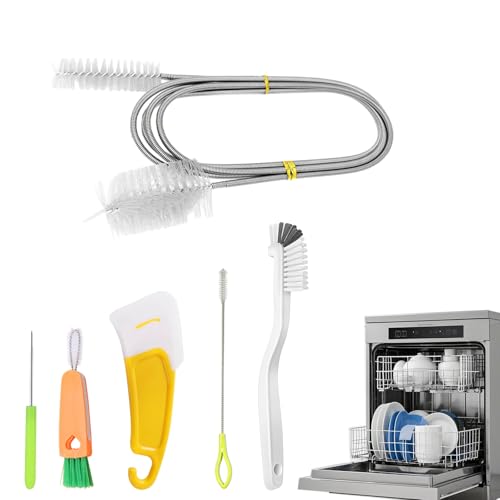
Before You Start
Before beginning, unplug the dishwasher or switch off the circuit breaker to avoid any electrical risk. Remove racks to access all surfaces and pull out the bottom spray arm for better access. Wear gloves and eye protection when handling cleaning agents. Plan for about 60–90 minutes of hands-on time plus a full hot run. If the dishwasher smells strongly of mildew or mold, consider additional ventilation and a longer descaling cycle.
Step-By-Step: How To Deep Clean A Dishwasher
- Remove all racks and inspect the sump area for food debris; clear any visible particles with a damp cloth or a small brush.
- Use the long-reach dishwasher cleaning brush to scrub the interior walls, especially corners where grime collects.
- Extract the dishwasher filter cleaning brush with angled head and thoroughly clean the filter and filter housing; rinse with warm water until clear.
- Apply a dishwasher descaler tablet kit per the package directions to the interior cavity and run a short hot water cycle to begin descaling.
- Detach the dishwasher vent and spray arm cleaning tool and inspect spray arms for clogged holes; use the tool to clear any mineral deposits in the arms’ nozzles.
- With the spray arms off, use the dishwasher interior cleaning wand to spray and wipe the interior from top to bottom, focusing on the door seal and hinges.
- Return all parts, run a full hot cycle with an empty load, and consider a second rinse to ensure residues are fully removed.
- Check the rinse aid reservoir and re-fill if necessary after the cleaning cycle; this helps maintain spotless dishes going forward.
- Inspect the door seal after the cycle and wipe away any remaining grime; store the cleaning tools for next maintenance.
- Optional: run a second hot cycle with a small amount of white vinegar in a dishwasher-safe cup to deodorize, if needed. Do not mix vinegar with bleach.
- Allow the dishwasher to cool, then reinsert racks and resume normal use.
Troubleshooting
| Symptom | Likely Cause | Fix | Prevention |
|---|---|---|---|
| Dishes still cloudy | Mineral buildup on spray arms | Clean spray arms with vent/tool; descale | Run monthly maintenance cycle |
| Unpleasant odor | trapped food or mold in filter or sump | Clean filter and sump; run empty cycle with descaler | Clean after heavy use; rinse sink residues |
| Water not draining | Clogged drain or filter | Clear filter; check drain hose | Inspect monthly for debris |
| Spray arms not rotating | Blocked nozzles | Clear with tool; reattach | Avoid placing large debris in load |
| Streaks on glassware | Mineral deposits | Descale and rinse cycle; check rinse aid | Use rinse aid consistently |
Common Mistakes
- Using abrasive scrubbers that scratch the interior; stick to soft brushes and plastic tools
- Mixing cleaning agents improperly; never mix bleach with ammonia or vinegar with bleach
- Skipping the filter or sump cleaning, which leads to recurring odors and buildup
- Running cleaning cycles with dishes inside; always run an empty load for deep cleaning
Tips For Best Results
- Schedule a quarterly deep clean to prevent grime buildup and preserve efficiency
- Choose a descaler kit designed for dishwashers and follow the manufacturer’s instructions
- Keep the door seals dry between uses to discourage mold growth
- Recycle hard water minerals by using a rinse aid and a regular descaling routine if your water is hard
Call A Professional
Consider professional help if the dishwasher shows persistent odors after cleaning, fails to drain despite filter clearance, or if you notice standing water after cycles. Stop signs include unusual noises, persistent leaks, or dishwasher failure to start after basic maintenance.
FAQ
Can I deep clean a dishwasher without removing the racks?
Partial cleaning is possible, but removing racks provides access to the sump and corners that trap debris.
How often should I deep clean my dishwasher?
Every 2–4 months is a practical interval for most households, with a more thorough clean annually.
Is it safe to use vinegar for cleaning my dishwasher?
Vinegar can help with deodorizing but should not be mixed with bleach and used in high concentrations.
What’s the best way to prevent odors between cleanings?
Run an empty cycle with a descaler or a rinse aid, and wipe seals and doors after each use.
Can I use a regular household brush for cleaning the spray arms?
Yes, but a long-reach cleaning brush or angled-head tool is more effective for hard-to-reach nozzles.
Should I leave the dishwasher open after cleaning?
Allow the interior to air-dry for a short period to prevent moisture buildup and mold growth.
Buying Guide
Choosing the right tools and accessories for dishwasher maintenance helps keep appliances efficient and extend their lifespan. Key buying factors include compatibility with your model, tool reach, and the ability to target hard-to-reach areas.
Size and design matter for tools like the long-reach dishwasher cleaning brush and interior wand; look for ergonomic handles and flexible heads that fit your dishwasher’s interior geometry.
Consider a dishwasher descaler tablet kit for regular descaling, ensuring compatibility with your water hardness and the tumble cycle options on your unit.
When evaluating cleaning tools, review the head orientation and angled reach to access filters, vents, and spray arms without disassembling major components.
Noise level and energy efficiency aren’t typically affected by cleaning tools, but a well-maintained dishwasher operates more quietly and saves energy by reducing the need for repeats of cycles due to poor cleaning.