Olefin fabric is known for its durability and resistance to stains, but it still benefits from proper cleaning. This guide provides practical steps to refresh olefin upholstery and carpets without damaging the fibers.
Quick Answer
Spot clean promptly with a pH-neutral carpet cleaner for olefin fiber, then gently agitate with a soft bristle upholstery cleaning brush olefin. Rinse with a damp cloth and blot dry. For stubborn stains, use a olefin carpet stain remover spray and finish with microfiber cloths for olefin fabric cleaning.
What You’ll Need
- Olefin carpet stain remover spray
- Upholstery steam cleaner for olefin fabric
- PH-neutral carpet cleaner for olefin fiber
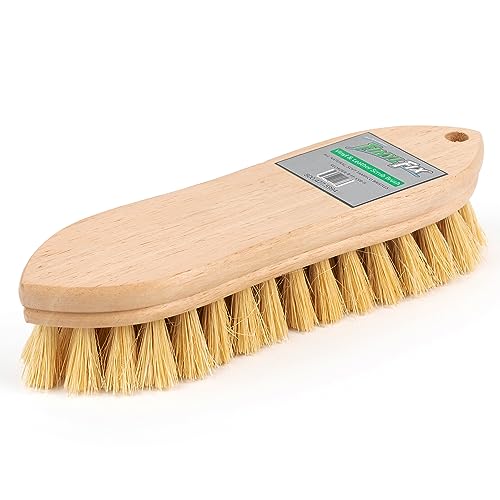
- Soft bristle upholstery cleaning brush olefin
- Microfiber cloths for olefin fabric cleaning


Before You Start
Before cleaning, test any product on an inconspicuous area of the fabric to check for colorfastness. Vacuum or brush away loose dirt and dust. If cleaning a large area, plan for drying time to prevent mold or mildew. Avoid harsh solvents and bleach, which can damage olefin fibers. Ensure the area is well-ventilated and use lukewarm water for best results.
Step-By-Step: How To Clean Olefin Fabric
- Vacuum or brush the surface to remove loose debris and particles.
- Blot any fresh spills with a microfiber cloth to prevent set-in stains.
- Apply a pH-neutral carpet cleaner for olefin fiber to a clean cloth or spray lightly onto the fabric.
- Gently agitate with a soft bristle upholstery cleaning brush olefin in small circular motions, focusing on stained areas.
- For tougher stains, spray olefin carpet stain remover spray directly onto the stain and let it sit for 5–10 minutes.
- Rinse by wiping with a damp, clean cloth to remove soap residue; avoid oversaturation.
- Blot excess moisture with a dry microfiber cloth and allow air drying. If possible, use a fan or open windows to speed drying.
- After drying, lightly brush the fabric to restore pile and evenness.
- For persistent odors, repeat the cleaning cycle on affected areas, ensuring complete drying between passes.
- Finish with a final wipe using a fresh microfiber cloth to lift any remaining residue.
- Inspect the area. If a stain remains, repeat the appropriate step rather than applying more product.
- Re-vacuum once fully dry to restore fabric texture and remove any loosened fibers.
Troubleshooting
| Symptom | Likely Cause | Fix | Prevention |
|---|---|---|---|
| Stain reappears after cleaning | Incomplete removal or protein-based stain | Repeat cleaning with a stain remover and allow longer dwell time | Address spills promptly; blot, don’t rub |
| Fabric feels stiff after drying | Soap residue | Rinse thoroughly with clean water and blot dry | Use minimal cleaner and complete rinsing |
| Color fading or spotting | Over-wetting or harsh cleaner | Switch to a true pH-neutral cleaner and dry evenly | Test on hidden area first |
| Odor persists | Deep-set odor or moisture | Re-clean, ensure complete drying, consider odor-neutralizing spray | Clean promptly after spills; keep area dry |
Common Mistakes
- Using hot water or harsh solvents on olefin fabric
- Over-wetting the material, which slows drying and invites mildew
- Rubbing aggressively, which can fray fibers
- Skipping a spot test before full application
Tips For Best Results
- Always blot, never rub, to preserve fiber texture.
- Work from the outside of the stain toward the center to prevent spreading.
- Test every cleaner on an inconspicuous area before full use.
- Use a steam cleaner designed for upholstery when recommended by the manufacturer.
- Maintain regular cleaning to extend the life of olefin fabrics.
Call A Professional
Contact a professional if stains cover a large area, if there is major discoloration, or if the fabric is heavily soiled and delicate. Seek help if odors persist after multiple cleaning attempts, or if you notice dye bleeding, seams loosening, or water damage.
FAQ
Can I use household cleaners on olefin fabric?
Avoid most household cleaners and stick to a pH-neutral carpet cleaner for olefin fiber or manufacturer-approved products to prevent damage.
Is steam cleaning safe for olefin upholstery?
Yes, when using an upholstery steam cleaner for olefin fabric and following the device’s instructions and fabric care guidelines.
How do I remove oil-based stains from olefin?
Use a stain remover spray formulated for olefin and blot with a microfiber cloth; avoid saturating the fabric.
How long should olefin fabric air dry after cleaning?
Allow 1–4 hours for small areas and longer for larger sections, ensuring complete dryness to prevent mold.
Will cleaning affect color or texture?
When using proper cleaners and gentle agitation, olefin color remains stable and texture should recover after drying.
What if I don’t have a steam cleaner?
A soft-bristle brush with a pH-neutral cleaner and microfiber cloths can effectively clean olefin without steam.
Buying Guide
When choosing cleaning products for olefin fabric, consider factors like cleaning power, gentleness, and fiber safety. For size and placement, assess whether you’re cleaning small cushions or large sectional upholstery, which informs product choice and drying time. Noise level matters if you’re using a steam cleaner, and energy efficiency is a practical consideration for extended cleaning sessions. Look for products labeled safe for olefin fiber, and prioritize tools that minimize moisture while providing effective agitation. A practical approach combines a pH-neutral cleaner, a soft bristle brush, and microfiber cloths for best results, with an upholstery steam cleaner as an optional upgrade for deeper cleaning. Would you like a quick purchasing checklist tailored to your furniture and carpet colors?