Maintaining a clean tea kettle exterior improves both appearance and longevity, especially for stainless steel models that show spots and fingerprints. This guide explains practical, safe methods to clean the outside of a tea kettle without damaging finishes, whether you use an electric or stovetop kettle.
Readers will find a clear step-by-step process, a quick overview, and practical tips to prevent buildup. The approach prioritizes common household tools and products that are gentle on metal surfaces while delivering effective results.
Quick Answer
Rinse the kettle with warm water, apply a mild cleaner or a vinegar-water solution to a microfiber cloth, gently scrub any spots, rinse thoroughly, and dry with a clean microfiber cloth. For stubborn stains, use a non-scratch sponge with a gentle cleaner, then buff with a microfiber cloth.
What You’ll Need
Tools and materials to have on hand for exterior cleaning:
- Stainless steel kettle exterior cleaning brush for targeted scrubbing
- Kettle exterior scrub brush for corners and seams
- Non-scratch cleaning sponge for kettle exterior to avoid scratches
- Stainless steel cleaner spray for kettle exterior to restore luster
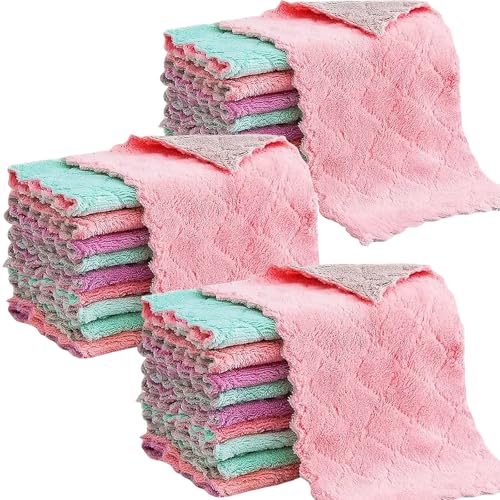
- Microfiber cloth for kettle cleaning for dust-free drying


Before You Start
Before cleaning, unplug electric kettles and allow the surface to cool completely. If the kettle has a matte or brushed finish, test cleaners on a small, inconspicuous area first. Use soft brushes and non-abrasive sponges to avoid scratches. Work in a well-ventilated area when using cleaners or sprays, and avoid harsh chemicals on any coatings or decals.
Time estimate: 10–20 minutes depending on buildup. Safety note: never immerse an electric kettle in water or place it in a sink full of water.
Step-By-Step: How To Clean A Tea Kettle Exterior
-
Remove any scale or mineral deposits by wiping or spraying the exterior with a mild solution of warm water and a small amount of white vinegar. Let it sit for a minute or two to loosen deposits.
-
Rinse the area with a clean, damp microfiber cloth to remove the initial solution and loosened grime.
-
Apply a non-scratch cleaning sponge for kettle exterior with a gentle cleaner or a dedicated stainless steel cleaner spray. Gently scrub in the direction of the metal grain to lift fingerprints and smudges.
-
Use a stainless steel kettle exterior cleaning brush or kettle exterior scrub brush for tougher spots around knobs, seams, or the base. Avoid aggressive scrubbing that could dull the finish.
-
Wipe away residue with a damp microfiber cloth, then dry the surface completely with a clean, dry microfiber cloth to prevent water spots.
-
If needed, apply a light spray of stainless steel cleaner spray for kettle exterior and buff with a microfiber cloth to restore shine and protect the finish.
-
Inspect for any remaining spots. Repeat gentle cleaning as necessary, ensuring all cleaners are fully rinsed away and the surface is dry.
-
For routine maintenance, wipe down after use to prevent new buildup and fingerprints. Storing in a dry area helps minimize water spots and streaks.
Troubleshooting
| Symptom | Likely Cause | Fix | Prevention |
|---|---|---|---|
| Streaks or water spots | Water mineral deposits | Buff with microfiber cloth; use distilled water for daily use | Dry thoroughly after cleaning |
| Scratches visible after cleaning | Abrasive scrub or sponge | Switch to non-scratch sponge; use soft brushes only | Avoid harsh abrasives |
| Dull finish | Accumulated grime or old cleaner residue | Switch to dedicated stainless steel cleaner and buff | Regular, light cleanings |
| Stubborn spots near handle or lid | Grease buildup | Apply cleaner, let sit briefly, then scrub with a brush | Wipe after each use |
Common Mistakes
-
Using abrasive pads on stainless surfaces can scratch the finish and create a dull look.
-
Cleaning products left to dry on the surface can leave residues that attract more grime.
-
Excessive moisture around electrical components of an electric kettle can cause damage.
-
Ignoring the grain direction of the metal during polishing can leave uneven reflections.
Tips For Best Results
-
Maintain a routine cleaning schedule—even a quick wipe after each use keeps buildup minimal.
-
Use microfiber cloths for both cleaning and drying to minimize lint and streaks.
-
For mineral stains, a gentle vinegar-water solution is effective without harsh chemicals.
-
Test any cleaner on a small area first to ensure compatibility with the kettle’s finish.
-
Store appliances away from direct sunlight to prevent discoloration over time.
Call A Professional
Call a professional if the kettle exterior shows deep pitting, chipping of finish, or persistent staining that does not respond to gentle cleaning. If the surface is integral to safety features or electrical components, seek service to avoid safety risks.
FAQ
Can I use dish soap to clean the kettle exterior?
Yes, a mild dish soap with warm water is safe for most kettles; rinse well and dry thoroughly.
Is it safe to use vinegar on stainless steel kettles?
Yes, in diluted form (¼ to ½ cup vinegar per quart of water) for mineral buildup; avoid prolonged contact on coatings and decals.
Can I polish the kettle while it’s still warm?
Avoid polishing while warm to prevent burns and uneven finishes; wait until cool.
What should I do about stubborn fingerprints?
Use a microfiber cloth with a small amount of cleaner or a dedicated stainless steel polish, then buff until streak-free.
Buying Guide
Key factors influence choosing a kettle and maintaining its exterior:
- Size and capacity: Consider daily usage, storage space, and pour spout design. Larger kettles may require more effort to clean around handles and bases.
- Finish and aesthetics: Brushed stainless steel hides minor scratches better than polished finishes; decide based on your kitchen style and maintenance comfort.
- Noise level: If you frequently boil water early in the morning, look for models with quiet operation and stable lids to minimize disruption.
- Energy efficiency: Electric kettles with quick-boil features save time and energy; choose models with energy-saving modes if possible.
- Controls and ease of cleaning: Remove parts easily for cleaning, and prefer smooth, non-porous surfaces that resist residue buildup.
- Placement considerations: Consider countertop space, proximity to water sources, and whether the kettle rests on a non-slip surface to prevent scratches.
- Maintenance compatibility: Ensure the exterior cleaners you intend to use are compatible with the kettle’s finish and any coatings.
- Accessories and care: Some models come with cleaning brushes or protective coatings; account for ongoing care needs in your decision.
With these factors in mind, homeowners can select a kettle that not only boils efficiently but remains visually appealing with minimal cleanup. Would you like recommendations tailored to your kitchen layout and usage patterns?