Red snapper is a popular fish in American kitchens, prized for its flaky texture and mild flavor. This guide provides a clear, step-by-step approach to cleaning, gutting, and filleting red snapper using common kitchen tools. The instructions prioritize safety, efficiency, and preserving quality for cooking.
Whether you’re preparing a whole fish or starting with a cleaned fillet, following these practical tips will help you achieve consistent results in home cooking.
Quick Answer
Begin with scaled and gutted fish, remove the head if desired, then fillet from the backbone using a flexible boning knife. Rinse, dry, and trim any remaining bones or fins. Keep the fillets cold until ready to cook for best texture.
What You’ll Need
- 7 inch stainless steel fillet knife for fish
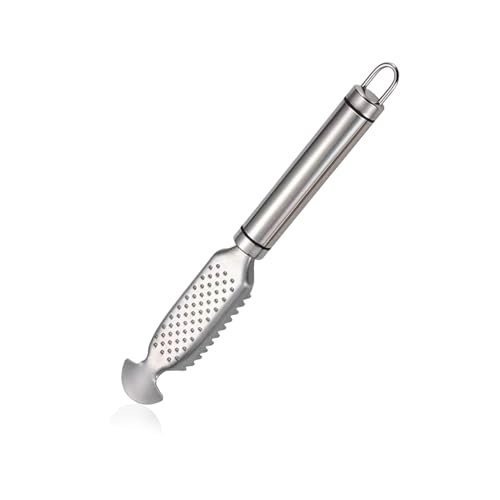
- fish scaler tool stainless steel scales remover
- flexible boning knife for fish filleting
- non-slip cutting mat for fish fillet and cleaning
- kitchen shears fish scissors stainless steel


Before You Start
Choose a clean, stable workspace with good lighting. Rinse your hands and all tools with clean water. Prepare a tray or plate to hold cleaned fillets and another for scraps. Time estimate: about 20–30 minutes for a single fish, longer if you are new to filleting. Important cautions include handling sharp knives carefully to prevent cuts and keeping raw fish away from ready-to-eat foods to avoid cross-contamination.
Step-By-Step: How To Clean And Fillet Red Snapper
- Rinse the whole fish under cold running water to remove slime or debris, then pat dry with a clean towel.
- Use the fish scaler tool to remove scales from the entire body, working from tail toward the head in short strokes.
- Place the fish on the non-slip cutting mat. If you prefer headless fillets, cut off the head just behind the gills with kitchen shears.
- Make a shallow incision along the backbone near the dorsal fin using the fillet knife, then insert the knife to separate meat from bones.
- Turn the fish over and repeat the cut on the other side, following the rib bones toward the tail to create two fillets.
- Use the flexible boning knife to remove pin bones by feeling for them with your fingertips and lifting them out in a gentle sweep.
- Trim away any dark bloodline along the fillet and remove fins or fins remnants with kitchen shears.
- Rinse the fillets lightly to remove any remaining scales or blood; pat dry and place on a clean tray.
- Optional: skin the fillets by placing the fillet skin-side down and sliding the blade between skin and meat at a shallow angle, then pull the skin away as the knife moves forward.
- Portion the fillets as desired and store on ice or in the refrigerator if not cooking immediately.
- Clean and dry all tools promptly to prevent corrosion and odor buildup.
Troubleshooting
| Symptom | Likely Cause | Fix | Prevention |
|---|---|---|---|
| Fillets sticking to knife | Blunt blade or insufficient moisture | Sharpen knife and lightly mist with water | Keep blade honed; wipe between cuts |
| Rough skin on fillet | Leftover scales or improper skinning | Re-skim with scaler tool and retune skinning technique | Sweep scales off thoroughly before filleting |
| Missed pin bones | Inaccurate bone-location checks | Run fingers along the fillet to locate bones and remove | Check both sides carefully |
| Fillets tear easily | Filleting too aggressively | Use gentle, long strokes with a sharp knife | Keep blade sharp and steady |
Common Mistakes
- Using a dull knife, which increases the risk of tearing flesh and causing slips
- Rushing the skinning or trimming steps, resulting in uneven portions
- Ignoring cross-contamination precautions when handling raw fish
- Leaving bones in fillets after attempting to remove them
Attention to knife care and clean workspace reduces waste and improves texture of the final fillets.
Tips For Best Results
- Keep the fish as cold as possible before cleaning to reduce slime and ease cutting
- Choose a flexible boning knife for clean bone removal without damaging the meat
- Use a non-slip mat to prevent slips and maintain precise cuts
- Angle the knife slightly toward the bone when filleting to maximize meat yield
- Pat fillets dry after rinsing to prevent excess moisture during storage
Call A Professional
Seek professional help if the fish is heavily spoiled, if bones are difficult to locate, or if filleting for a large quantity is required and comfort with knives is limited. Additionally, if you notice unusual odors, eye discoloration, or signs of illness in the fish, contact a local fishmonger or a culinary professional for guidance.
FAQ
What tools do I need to clean red snapper?
A clean setup with a fillet knife, scaler, boning knife, non-slip mat, and kitchen shears makes the process efficient.
Should I remove the skin on red snapper fillets?
Skinning is optional and depends on the recipe; many prefer skin-on fillets when baking or pan-searing for flavor.
How can I tell if red snapper is fresh?
Look for firm flesh, clear eyes, bright gills, and a clean, mild odor.
How long can cleaned fillets be stored?
Keep fillets on ice or in the refrigerator for up to 2 days; freeze for longer storage.
Can I reuse the scales and bones?
Scales and bones are typically discarded, but some cooks use bones to flavor stocks and soups.
Is it necessary to rinse fillets after filleting?
A light rinse to remove surface residue is acceptable, followed by thorough drying before cooking.
What if I don’t have a scaler tool?
Alternatively, a firm knife can be used to scrape scales away, though the scaler makes the task easier.
What are signs of improper cleaning?
Grit, stubborn scales, or bones left behind indicate incomplete cleaning.
Buying Guide
When selecting supplies for cleaning red snapper, consider factors like tool quality, ergonomics, and material durability. For home use, a sharp, comfortable knife with good balance reduces fatigue and improves control during filleting. A dedicated scaler tool speeds up scale removal, while non-slip mats improve safety on slippery surfaces. Kitchen shears add versatility for trimming fins or snipping tough bones. Look for stainless steel construction to resist corrosion and dishwasher-safe components for easy cleaning. Consider storage space and how often you plan to prep fish to determine how many specialized tools you need. A practical setup balances performance with storage, and choosing flexible, high-quality blades supports efficient and precise filleting while preserving meat quality.