Wood chairs add timeless charm to any room, but keeping them clean without damaging finishes requires a thoughtful approach. This guide walks through practical, ingredient-light steps that work on most finished hardwood chairs found in homes across the United States.
Readers will learn how to remove everyday grime, tackle stubborn spots, and maintain the wood’s natural luster using readily available supplies. The methods emphasize safety, proper technique, and how to choose care products that protect finishes over time.
Quick Answer
Use a gentle hardwood cleaner, a soft-bristle brush for tough grime, and a microfiber cloth to wipe away residue. Follow with a wood polish or conditioner to preserve sheen and finish. Always test in an inconspicuous area first and avoid soaking the wood.
What You’ll Need
- Wood chair cleaner spray for finished hardwood furniture
- Microfiber cloth set for wood furniture cleaning
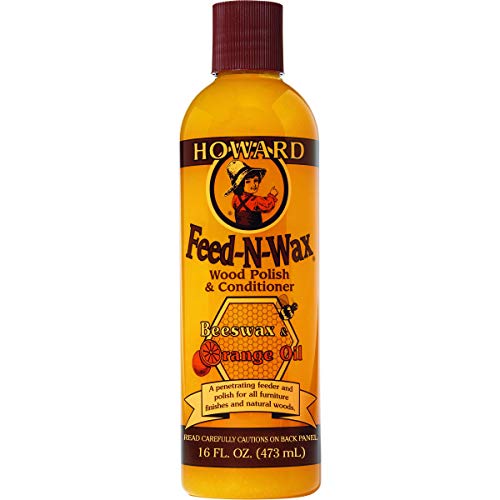
- Wood furniture polish and conditioner kit
- Soft-bristle brush for cleaning wood chairs
- Spray bottle hardwood cleaner and wood conditioner


Before You Start
Clear the area around the chairs to prevent slips and stains. Protect any fabric or cushions with a cloth. Work in a well-ventilated space and test cleaners on hidden areas first to confirm no discoloration. Avoid soaking wood surfaces; water can swell grain and dull finish. Plan for a minor dry time between cleaning and conditioning to ensure even absorption.
Step-By-Step: How To Clean Wood Chairs
- Dust the chair surfaces with a microfiber cloth to remove loose debris before cleaning.
- Apply a light spray of wood chair cleaner to a clean microfiber cloth or the chair surface, following the product directions.
- Wipe in the direction of the grain to lift dirt and prevent scratching.
- Use a soft-bristle brush on carved or intricate areas to dislodge grime from crevices.
- For stubborn spots, mist a small amount of cleaner and let it sit briefly, then blot gently with a cloth.
- Rinse the cloth and wipe away any remaining cleaner to avoid residue, then let the chair air dry.
- Apply a thin coat of wood furniture polish and conditioner to restore luster and provide a protective layer.
- Buff the surface with a clean microfiber cloth until the finish shines evenly.
- Repeat cleaning and conditioning as needed, typically every 2–4 weeks depending on use and environment.
- Seasonal care: during dry months, consider a lighter conditioner to prevent buildup; during humid periods, ensure proper ventilation to prevent moisture damage.
- For leather or fabric elements adjacent to chairs, clean those materials separately using appropriate products to avoid cross-contamination.
- Store cleaning sprays in a cool, dry place away from direct sunlight to preserve effectiveness.
Troubleshooting
| Symptom | Likely Cause | Fix | Prevention |
|---|---|---|---|
| Cloudy finish after cleaning | Harsh cleaner or oversaturation | Switch to a milder cleaner and wipe with a damp, not wet, cloth | Test on a hidden area first; use minimal moisture |
| Streaks on wood | Residue from cleaner or conditioner | Buff with a dry microfiber cloth after 5–10 minutes of drying | Wipe in the grain and avoid over-application |
| Finish dulls quickly | Over-cleaning or incorrect product | Switch to a conditioner kit designed for finished hardwoods | Follow manufacturer directions exactly |
| Water rings or spotting | Moisture exposure | Dry promptly and apply conditioner to minimize absorption | Use coasters and wipe spills immediately |
| Scratches seen after cleaning | Excessive rubbing or abrasive product | Switch to a softer cloth and gentler cleaner | Avoid abrasive brushes; test gentleness first |
Common Mistakes
- Using household cleaners not formulated for wood finishes
- Over-wetting wood during cleaning, which can cause swelling or warping
- Neglecting to test products on hidden areas before full application
- Rubbing hard, which can scratch delicate surfaces
- Skipping the drying step after cleaning and conditioning
Tips For Best Results
- Clean chairs regularly to prevent buildup of oils and grime that require stronger cleaning.
- Always follow grain direction during cleaning and polishing for an even finish.
- Keep a dedicated microfiber set for wood care to avoid cross-contamination with other surfaces.
- Choose a conditioner kit designed for finished hardwood to maintain color and sheen over time.
- Store products away from heat sources to preserve their formula and effectiveness.
Call A Professional
Consider a pro if chairs exhibit deep staining, finish delamination, or significant structural issues, such as loose joints or cracked veneer. Seek expert help for recommendations on refinishing or restoration, especially for antique or heirloom pieces where improper care could reduce value.
FAQ
Can I use warm water to clean wood chairs?
Warm water can be used sparingly with a mild cleaner, but avoid soaking or leaving moisture on the wood.
How often should I polish wood chairs?
Polishing every 1–3 months helps preserve finish, but adjust frequency based on use and environment.
Is it okay to use any spray bottle for cleaners?
Use a spray bottle that delivers a fine mist and is compatible with wood-safe cleaners to prevent oversaturation.
What should I do about sticky residues?
Gently wipe with a cloth dampened with cleaner, then buff dry; if residue persists, switch to a milder product.
Buying Guide
When selecting products to care for wood chairs, consider key buying factors that influence results and long-term maintenance:
- Size and finish compatibility: Ensure cleaners and polishes are formulated for finished hardwoods, not raw or painted surfaces.
- Noise level and ease of use: Comfortable spray bottles and soft brushes reduce effort and noise during routine care.
- Energy efficiency and product concentration: Concentrated formulas save space and reduce waste; read dilution instructions.
- Controls and application: Bottles with fine mist sprayers and non-abrasive cloths help maintain surface integrity.
- Placement and storage: Store cleaners away from sunlight and heat; keep within reach of cleaning areas for quick upkeep.
Practical tips: compare product kits that combine cleaner, conditioner, and applicators for a complete care routine. Look for products specifically labeled for finished hardwood furniture to ensure compatibility with common wood chair finishes. If you have multiple wood tones, consider a conditioner kit that offers balanced protection without altering color.