Disc golf players rely on clean discs for consistent throws and grip. Proper cleaning removes mud, sap, and resin without harming plastic. This practical guide covers safe methods, common agents, and tools to keep discs in peak condition across different plastic types and weather conditions.
Whether you’re a casual player or a tournament regular, following a standard cleaning routine can extend the life of your discs and maintain grip. The steps below emphasize safe practices, effective products, and quick maintenance you can perform between rounds or after a muddy game.
Quick Answer
Best starting point: rinse with warm water, scrub lightly with a soft bristle brush, and dry with a microfiber towel. For stains or sticky residue, use non-abrasive disc cleaning soap or isopropyl alcohol 70%, then rinse and dry thoroughly.
What You’ll Need
- Disc golf disc cleaning kit
- Soft bristle cleaning brush for disc golf discs
- Microfiber towel for disc golf cleaning
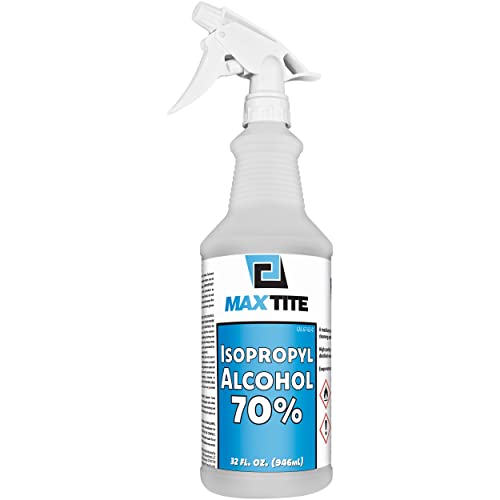
- Isopropyl alcohol 70% for disc cleaning
- Non-abrasive disc cleaning soap for plastic discs


Before You Start
Clear a clean workspace and gather all supplies. Rinse discs with lukewarm water to loosen dirt before scrubbing. Do not use harsh abrasives or household cleaners not designed for plastic discs, as these can damage grip and stability. Protect sensitive finishes and stamps by avoiding prolonged exposure to solvents. Time estimate: 5–15 minutes per disc, depending on soil level.
Step-By-Step: How To Clean Disc Golf Discs
- Rinse the disc under running warm water to remove loose dirt and mud.
- Inspect the disc for stubborn residues or tree sap and decide on a cleaning method.
- Apply a small amount of non-abrasive disc cleaning soap to the brush or sponge.
- Gently scrub the disc in a circular motion, focusing on the edges and any textured areas.
- For tough stains, dampen a microfiber towel with isopropyl alcohol 70% and wipe the affected area.
- Rinse the disc again to remove soap or alcohol residue.
- Dry the disc completely with a clean microfiber towel to prevent water spots and mold.
- Store the cleaned discs in a dry, ventilated bag or case to avoid moisture buildup.
Troubleshooting
| Symptom | Likely Cause | Fix | Prevention |
|---|---|---|---|
| Soap film remains after rinsing | Soap residue not fully rinsed | Rinse again with warm water and repeat | Rinse thoroughly after cleaning |
| Sap or resin sticks to grip | Sticky outdoor substances | Apply small amount of isopropyl alcohol 70% and wipe, then rinse | Clean promptly after exposure to resin-rich surfaces |
| Discs feel slippery | Excess moisture or oil | Dry completely with microfiber towel | Dry thoroughly after each cleaning |
| Discs show discoloration over time | Repeated solvent exposure | Limit solvent use and opt for soap and water when possible | Rotate discs to reduce repeated exposure to cleaners |
Common Mistakes
- Using high-alkaline or abrasive cleaners that damage plastic.
- Scrubbing too aggressively, which can wear grip texture.
- Leaving discs wet for long periods, promoting mold growth.
- Using hot water that may warp or deform softer plastics.
Tips For Best Results
- Keep a dedicated cleaning microfiber towel in your disc bag for on-field touch-ups.
- Rinse and dry discs between rounds to prevent mud from drying on the surface.
- Use a light soap designed for plastics to preserve grip and color stamps.
- Rotate cleaning tools to prevent cross-contamination of soil and residue.
Call A Professional
Seek professional help if discs have significant structural damage, deep gouges, or persistent warping after cleaning attempts. If a disc exhibits cracking, unusual flexibility changes, or separation of layers, contacting a sports equipment repair specialist or the manufacturer is advised.
FAQ
What is the safest method to clean disc golf discs?
The safest method uses warm water, a non-abrasive soap, and a soft-bristle brush, followed by thorough drying with a microfiber towel.
Can I use household cleaners to clean discs?
Avoid household cleaners not designed for plastics; they can degrade grip and color.
Is isopropyl alcohol necessary for cleaning?
Isopropyl alcohol 70% is useful for sticky residues, but soap and water alone also work for general cleaning.
How should I store clean discs?
Store in a dry, ventilated bag or case, away from direct heat and moisture.
How often should I clean discs?
Clean after muddy rounds or if residue accumulates; quick rinse between holes can help during play.
What if a stamp or artwork wears off with cleaning?
Gently clean and avoid abrasive scrubbing; repeated cleaning may dull some finishes over time.
Buying Guide
Choosing cleaning gear for disc golf discs involves balancing effectiveness, disc compatibility, and portability. Consider the following factors to optimize maintenance without damaging plastics.
- <bSize and portability: compact kits fit in a bag for on-site use, but larger kits may offer more cleaning options.
- <bWater-based cleaning soaps: prefer non-abrasive, plastic-safe formulas that preserve grip and stamps.
- <bBrush softness: soft-bristle brushes prevent micro-scratches while removing ground-in dirt.
- <bSolvent use: isopropyl alcohol is useful for tough residues but should be used sparingly on softer plastics.
- <bDrying tools: microfiber towels efficiently remove moisture without lint.
- <bMaterial compatibility: ensure products are labeled safe for disc plastics (DX), Intercraft, or other plastics used by your discs.
- <bMaintenance routine: establish a quick post-round rinse and a deeper clean after muddy or resin-rich sessions.
- <bStorage considerations: keep cleaning supplies away from heat and in a dedicated tote to avoid cross-contamination.
By selecting a cohesive set of tools—from a disc cleaning kit to a microfiber towel—players can maintain grip, preserve color, and extend disc life. Ask yourself: do you want a minimal setup for quick returns or a comprehensive kit for in-depth care?