Frustration often accompanies fiberglass insulation exposure, especially when fibers cling to skin. Proper cleanup reduces irritation and prevents longer contact. This guide provides practical steps and tools to remove insulation fibers quickly and safely.
Quick Answer
Use protective gear first—nitrile gloves and long sleeves protect skin. Gently rinse exposed areas with lukewarm water, then use a stiff nylon brush or lint roller to lift fibers, followed by a microfiber cloth to wipe away residue. Finish with a thorough wash and moisturizer to soothe skin.
What You’ll Need
- fiberglass insulation skin cleanup kit
- adhesive lint roller for fiberglass insulation fibers
- nitrile gloves for fiberglass insulation protection
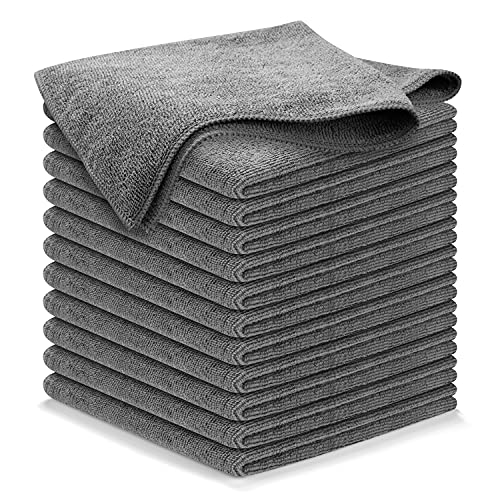
- microfiber cleaning cloth for fiberglass fiber removal
- stiff nylon scrub brush for fiberglass insulation cleanup


Before You Start
Before handling insulation, wear nitrile gloves and long sleeves to minimize skin contact. Work in a well-ventilated area and keep a nearby sink or basin for immediate washes. Time estimates vary, but plan for 15–30 minutes per exposure, plus a secondary wash at home. Avoid rubbing the skin aggressively as it can drive fibers deeper into the pores.
Step-By-Step: How To Clean Insulation Off Skin
- Immediately remove loose fibers with a gentle brush or gloved hand, avoiding harsh rubbing.
- Rinse the affected area with lukewarm water to loosen embedded particles.
- Apply a mild soap or mild body wash and create a lather to lift fibers from the surface.
- Use a stiff nylon scrub brush to gently agitate the skin where fibers cling, then rinse again.
- Tap, don’t rub, with the adhesive lint roller to pick up stubborn fibers from skin and fabric near the area.
- Pat dry with a clean towel and apply a mild moisturizer to reduce itching and dryness.
- Inspect for remaining fibers and repeat rinse-lather-lift steps as needed.
- Carefully wash and rinse any exposed clothing, tools, or PPE used during cleanup.
- Dispose of disposable gloves and wipes according to local guidelines, and wash hands thoroughly.
- If irritation persists, consider seeking medical advice and avoid scratching the skin.
- After cleanup, monitor skin for 24–48 hours for any rash or prolonged itching.
- Return to routine tasks with clean PPE and protective clothing to prevent re-exposure.
Troubleshooting
| Symptom | Likely Cause | Fix | Prevention |
|---|---|---|---|
| Persistent itching after washing | Fiber particles deeply embedded | Repeat rinse with soap and use lint roller | Wear protective sleeves and gloves during handling |
| Red skin or irritation | Allergic reaction or over-washing | Use fragrance-free soap and moisturize; limit washing | Choose proper PPE and minimize contact time |
| Fibers on clothing continue to shed | Cloth fibers trapped in fabric | Brush clothes with lint roller or wash separately | Clean workspace and clothing promptly after exposure |
| Fibers in eyes or mucous membranes | Direct contact during cleanup | Rinse eyes with clean water and seek care if irritation persists | Wear eye protection in exposed areas |
Common Mistakes
- Rubbing skin vigorously, which can drive fibers deeper.
- Skipping a proper rinse and trying to wash with soap alone.
- Using only bare hands to remove fibers instead of protective gloves.
- Ignoring small fibers that cling to clothing or tools.
Tips For Best Results
- Keep a dedicated cleanup kit nearby for quick response after exposure.
- Laminate skin contact as much as possible with protective sleeves and gloves.
- Use the adhesive lint roller on both skin-adjacent areas and clothing to capture trapped fibers.
- Moisturize after washing to soothe dry, irritated skin.
- Wash contaminated clothing separately to prevent fiber spread.
Call A Professional
Stop and seek professional help if any of the following occur: severe skin reaction, persistent itching after multiple cleanups, or exposure to large quantities of fiberglass insulation. If breathing becomes affected or there is extensive skin irritation, contact a healthcare provider promptly.
FAQ
What is the first step after skin contact with fiberglass?
The first step is to remove loose fibers and rinse with lukewarm water while wearing protective gloves.
Can I reuse my gloves after cleaning fiberglass fibers?
Yes, if they are intact and free of fibers; otherwise replace or dispose of them.
Should I use soap or just water for cleanup?
Soap helps lift fibers more effectively than water alone, followed by a thorough rinse.
What if fibers remain after cleaning?
Repeat the cleaning steps, and consider using a lint roller to capture residual fibers on skin-adjacent surfaces.
Buying Guide
When choosing tools to handle fiberglass insulation cleanup, consider compatibility with your tasks, comfort, and safety. Look for a compact skin cleanup kit that includes a stiff nylon scrub brush, adhesive lint rollers, and a pair of nitrile gloves. A microfiber cloth offers gentle yet effective fiber removal, while dedicated gloves reduce direct contact. Consider ease of disposal and whether items are designed for repeated use. For households with frequent insulation work, a durable cleanup set can streamline responses and reduce irritation. Is your kit sized for on-site use and easy transport to job sites?