Used furniture can be a budget-friendly option, but it also carries the risk of bed bugs and other pests. This guide explains practical, step-by-step methods to clean and inspect used furniture, lower the chance of bed bug transfer, and create a safer living space. The focus is on proven techniques and tools that are readily available in American markets.
Quick Answer
Inspect first, clean thoroughly, and seal potential hiding spots. Use a combination of steam cleaning, targeted vacuuming, and fabric-safe treatments. For ongoing prevention, employ bed bug detection methods and monitor furniture during use.
What You’ll Need
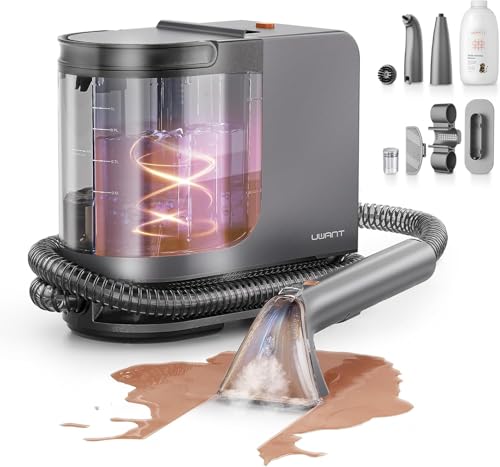
- Steam cleaner for upholstered furniture bed bugs
- HEPA vacuum cleaner for bed bugs on furniture
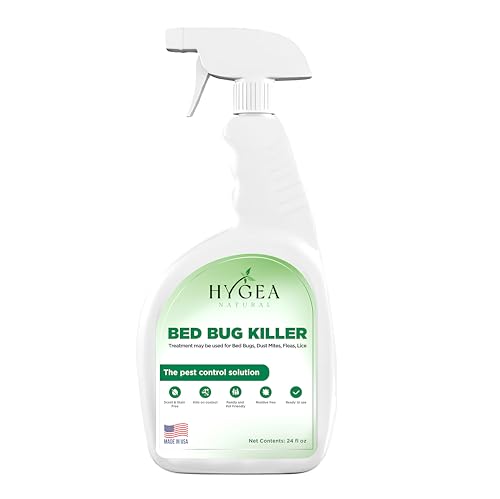
- Bed bug spray for furniture cracks and seams
- Bed bug detection monitor trap for used furniture
- Furniture inspection flashlight bed bug signs

Before You Start
Plan a dedicated area that can be ventilated, such as a well-ventilated garage or outdoor space. Clear away cushions and fabric coverings to access seams, folds, and hidden cracks. Wear protective gloves and a mask when handling older furniture or items with unknown history. Time estimates vary by item size, but budget 2–6 hours for a thorough interior and exterior pass. Safety notes: avoid wetting wood joints excessively, watch for loose stuffing, and test cleaning products on inconspicuous areas first.
Step-By-Step: How To Clean Used Furniture For Bed Bug Prevention
- Inspect thoroughly with a flashlight: Examine seams, piping, underside of cushions, and joints for dark streaks, shed skins, or live insects. Use a furniture inspection flashlight bed bug signs to illuminate tiny hiding spots.
- Vacuum all surfaces: Use a HEPA vacuum cleaner for bed bugs on furniture to remove accessible bugs, eggs, and debris. Pay special attention to seams, cracks, and crevices. Empty the canister immediately into a sealed bag.
- Steam clean upholstered areas: Run a steam cleaner for upholstered furniture bed bugs over cushions, fabric surfaces, and padding. Steam can kill bed bugs on contact and helps loosen residues that may harbor eggs.
- Treat cracks and seams: Apply bed bug spray for furniture cracks and seams along edges, legs, and frame joints. Focus on highly textured areas where bugs often hide. Follow product instructions and ensure proper ventilation.
- Use detection monitors: Place bed bug detection monitor trap for used furniture in strategic locations like hinges, drawer gaps, and around cushions. Monitor for signs over the next days and weeks.
- Reassess and re-clean: After 24–72 hours, recheck for live bugs or new signs. If needed, perform additional vacuuming or steam passes. Repeat the inspection steps until no signs remain.
- Clean surrounding areas: Vacuum floors under the furniture and nearby baseboards. This reduces the chance that any displaced bed bugs find new harborages nearby.
- Isolate or seal the item: If the item will be moved into a living space, cover with a clean, bed-bug-resistant sheet or bag to limit exposure during transition.
- Establish ongoing monitoring: Keep the bed bug detection monitor trap active for several weeks after cleaning, especially if the item previously showed signs of infestation.
- Document the process: Note the steps taken and results. This helps if you lend or sell the item later and can aid in ongoing prevention.
- Consider professional assessment: If signs persist after cleaning, consult a licensed pest control professional for a thorough inspection and targeted treatment plan.
Troubleshooting
| Symptom | Likely Cause | Fix | Prevention |
|---|---|---|---|
| Visible shed skins or dark stains remain | Eggs or mature bugs hidden in seams | Deep steam and targeted spray in cracks; recheck after 48 hours | Regular inspections after moving secondhand furniture |
| Live bed bugs found after cleaning | Residual population in concealed spots | Repeat cleaning cycle, use detectors, consider professional treatment | Limit reuse without inspection; quarantine items until clear |
| Unpleasant odor after cleaning | Overuse of cleaners or moisture buildup | Ventilate area; dry furniture thoroughly | Clean in a well-ventilated area; avoid soaking fabrics |
| No changes after treatment | Incorrect product usage or product incompatibility | Review product labels and alternate method (steam or vacuum) | Consult product-specific guidance or a professional |
Common Mistakes
- Relying on a single cleaning method; bed bugs require a multi-pronged approach
- Overlooking hidden seams and drawer joints where bugs hide
- Using moisture-heavy methods on wooden frames, which can warp materials
- Poor disposal of suspicious debris; always seal and dispose promptly
Effective prevention blends mechanical removal with monitoring devices and careful handling of secondhand items.
Tips For Best Results
- Combine steam cleaning with HEPA vacuuming for maximum removal of bed bugs and eggs
- Test all cleaners on a small, inconspicuous area first to prevent fabric damage
- Place detection monitors in multiple locations around the furniture for early warning
- Ventilate thoroughly during and after cleaning to reduce chemical exposure
- Store the cleaned item temporarily away from living spaces until you are confident it is pest-free
Call A Professional
Seek professional help if bed bugs are detected consistently or if infestation signs persist after multiple cleaning cycles. Stop-and-go monitoring can be insufficient for larger items or items with extensive cracks. Signs that require a pro include colony-sized populations, bites on household members, or eggs that resist cleaning.
FAQ
How soon after cleaning should I recheck the furniture for bed bugs?
Recheck within 24–72 hours and again after a week to catch any surviving pests.
Can steam cleaning alone eliminate bed bugs on furniture?
Steam helps significantly, but a combination of vacuuming and seam treatments is usually necessary for thorough elimination.
Are bed bug monitors reliable for used furniture?
Monitors are useful for ongoing checks and early detection but should be part of a broader cleaning plan.
What if I’m unsure about the furniture’s history?
Err on the side of caution: treat the item as potentially infested and consider professional inspection before bringing it indoors.
Buying Guide
When selecting tools and supplies for cleaning used furniture to prevent bed bugs, consider size, efficiency, and ease of use. A steam cleaner for upholstered furniture bed bugs and a HEPA vacuum cleaner for bed bugs on furniture are core tools, but pairing them with reliable bed bug spray for furniture cracks and seams improves outcomes. Choose detection measures like a bed bug detection monitor trap for used furniture that suit your space, and ensure you have a furniture inspection flashlight bed bug signs to spot hidden areas.
Key buying factors include:
- <bSize and weight: Larger items require a portable yet capable cleaning system; consider compact steam units with strong output.
- <bNoise level: Quieter appliances are preferable for home use, especially in apartments or shared spaces.
- <bEnergy efficiency: Look for energy-efficient VACs and steam cleaners to balance power use and cleaning performance.
- <bControls: User-friendly controls enable precise temperature and suction adjustments for fabric and wood.
- <bPlacement: Store equipment in a dry, ventilated area; plan for easy access near furniture you may inspect regularly.
Consider combining a high-quality steam cleaner and HEPA vacuum with trusted bed bug spray and monitoring devices to create a comprehensive prevention routine. If you’re unsure which product to pick, read reviews focusing on efficacy, safety, and compatibility with fabric types common to used furniture.