Incense burners add a calming aroma to spaces, but built-up residue can dull scents and create leftover ash mess. A regular cleaning routine keeps burners looking new and functioning well. This guide covers practical methods for various burner materials and includes tool recommendations to streamline the process.
Quick Answer
Choose a cleaning method based on your burner’s material. For metal burners, use a heat-resistant scrub brush and a dedicated stainless steel cleaning tool. For ceramic burners, a soft sponge and gentle detergent work best. Always let the burner cool completely before cleaning, remove ash with a scraper, and rinse thoroughly to prevent soot transfer.
What You’ll Need
- Stainless steel incense burner cleaning brush
- Ceramic incense burner cleaning sponge
- Incense ash remover scraper tool
- Incense burner cleaning kit with brushes
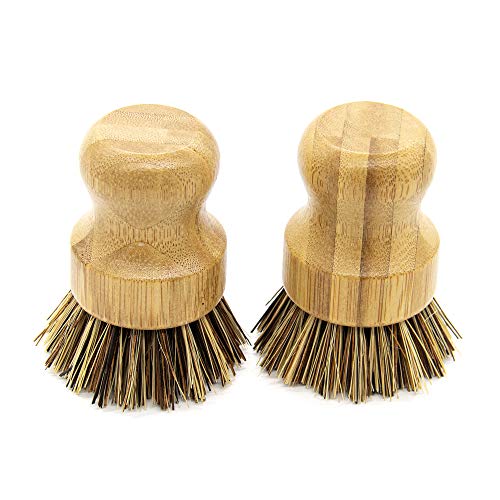
- Heat resistant scrub brush for incense burner


Before You Start
Preparation helps prevent accidents and damage. Allow the burner to cool for at least 30 minutes after use. Work on a stable surface with a protective mat to catch loose ash. If the burner has delicate inlays or painted surfaces, test a small inconspicuous area with water and a mild cleaner first. Avoid soaking porous ceramics for extended periods, which can weaken the material. Plan for a 15–30 minute cleaning session depending on residue buildup.
Step-By-Step: Cleaning An Incense Burner
- Empty the ash: Gently tap out loose ash into a trash container. Use the incense ash remover scraper tool to loosen stubborn clumps without scratching the surface.
- Soak or wipe dry (based on material): For metal burners, a quick wipe with a damp cloth can suffice. For ceramic pieces, use warm water and a small amount of mild detergent to loosen stubborn residues.
- Scrub the interior: Use a heat resistant scrub brush for metal parts and a ceramic incense burner cleaning sponge for ceramic surfaces. Focus on the well where residue accumulates.
- Rinse thoroughly: Rinse with lukewarm water to remove soap and soot. If water exposure is a concern for delicate finishes, use a damp cloth to wipe away suds.
- Clean the exterior: Wipe the exterior with a clean, slightly damp cloth. For ornate surfaces, avoid abrasive tools that could scratch intricate designs.
- Dry completely: Pat dry with a soft towel and let the burner air-dry for several minutes before reusing to prevent steam damage or damp soot transfer.
- Deep clean (monthly): For homes with frequent incense use, perform a deeper clean every 4–6 weeks using the appropriate kit, brushing away residue from crevices and removing any buildup in vents.
- Inspect for wear: Check for cracks, chips, or loosening parts. If any structural issues appear, consider replacing the burner to prevent heat damage or leakage.
- Reassemble and test: Reattach any parts, light a small amount of incense, and observe for even burning. If soot trails or uneven glow appears, repeat targeted cleaning on problem areas.
- Store properly: After use, store the burner in a cool, dry place to minimize dust collection and maintain finish integrity.
- Note safety: Never use harsh solvents on finishes; they can degrade protective coatings. Always ensure the burner is completely dry before next use to avoid steam burns or odors.
Troubleshooting
| Symptom | Likely Cause | Fix | Prevention |
|---|---|---|---|
| Soot shows on surrounding surfaces | Incomplete cleaning or ash spillage | Clean with a brush or sponge focusing on edges; wipe nearby surfaces | Clean after each use and place a protective mat |
| Burner is difficult to clean interior | Trapped char buildup | Soak briefly, then scrub with a brush designed for the burner material | Clean more frequently to prevent heavy buildup |
| Abrasions on metal surfaces | Harsh scrubbing | Switch to a softer scrub brush and avoid metal scrapers | Use gentler tools and test a small area first |
| Ceramic cracks or chips | Impact or harsh cleaning | Cease aggressive cleaning; use non-abrasive sponge | Handle ceramic pieces carefully during cleaning |
| Persistent odor | Residual resin or fragrance buildup | Deep clean interior with mild detergent, rinse thoroughly | Regular cleaning after use to prevent buildup |
Common Mistakes
- Using extremely hot water on delicate finishes, which can cause cracking or discoloration.
- Scrubbing aggressively with metal tools on ceramic surfaces.
- Leaving moisture inside the burner after washing, leading to mold or odor.
- Using harsh solvents that damage coatings or glazes.
Sticking to soft brushes and mild cleaners generally yields the best results while preserving finish and function.
Tips For Best Results
- Clean soon after use while ash is still loose for easier removal.
- Keep a dedicated cleaning kit nearby to streamline the process.
- Use a protective mat or tray during cleaning to catch debris and spills.
- Inspect the burner periodically for cracks or warping that could affect heat distribution.
- Label and store tools by material to prevent cross-contamination between metal and ceramic surfaces.
Call A Professional
Seek professional help if the burner shows significant cracks, glazing damage, or if internal components become loose and risk overheating. Do not attempt repairs that involve disassembly beyond your comfort level, especially on older or high-heat appliances.
FAQ
What is the safest way to clean a metal incense burner?
Allow it to cool, remove ash with an ash remover, and scrub with a heat resistant brush using mild soap and water. Rinse and dry completely.
Can I soak my ceramic incense burner?
Soak briefly in warm water with a mild detergent, then gently scrub and rinse. Avoid prolonged soaking to protect glaze and integrity.
How often should I clean an incense burner?
Clean after each use to prevent heavy buildup; perform a deeper clean monthly for frequent users.
What should I do if the burner develops a crack?
Stop using it and consult a professional for assessment or replacement options.
Buying Guide
When choosing an incense burner cleaning setup, consider factors that influence maintenance ease and longevity. Size matters for handling and ash containment, while noise level is less a concern in cleaning tasks but relevant if you clean in shared spaces. Look for tools that match your burner material—metal and ceramic require different brushes and sponges. Energy efficiency isn’t a direct factor here, but maintaining a clean burner helps ensure consistent burning and reduces odor risks. Controls are minimal, but having the right cleaning kit with dedicated brushes ensures effective maintenance. Placement on a stable, heat-resistant surface is essential to prevent accidents. Is your setup ready for frequent use or occasional rituals? A compact cleaning kit works well for small desktops, while larger kits with multiple brushes suit frequent users. Consider these options to balance cost, convenience, and long-term upkeep.