Thick dust accumulations, especially in workshops or renovation zones, require a deliberate approach to avoid stirring up particles or damaging surfaces. This guide outlines practical, step-by-step methods to remove heavy dust using common tools and safer techniques tailored to American environments.
By following a structured process, homeowners and DIY enthusiasts can achieve cleaner air and improved indoor air quality while minimizing cleanup time and effort.
Quick Answer
Key method: start with stabilizing surfaces, then remove large debris with a shop vac, and finish with a micro-diberbed or electrostatic duster for fine residue. For high ceilings or hard-to-reach areas, use an extendable tool to avoid ladder risks. Where construction dust is present, employ an air scrubber with HEPA filtration to capture fine particles before final wipe-down.
What You’ll Need
- HEPA vacuum cleaner for thick dust
- extendable microfiber dusting wand for high ceilings
- electrostatic duster for thick dust removal
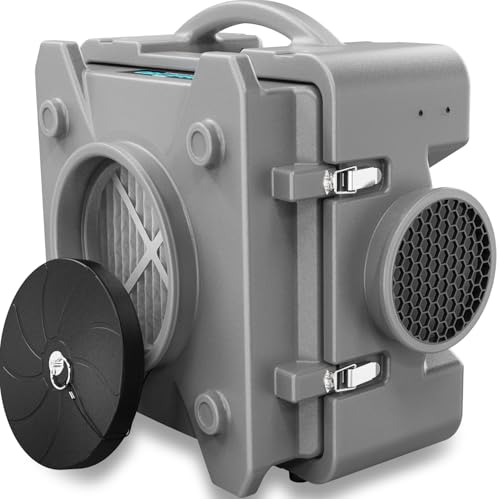
- air scrubber with HEPA for construction dust cleanup
- industrial shop vacuum for heavy dust and debris


Before You Start
Prep the area by closing doors to the work zone and sealing off living spaces if possible. Wear a sealed respirator or NIOSH-approved mask and eye protection. Move furniture away from walls to create space for cleaning and prevent recontamination. Time estimate: 1–4 hours depending on the area size and dust thickness. Important caution: avoid using household fans to push dust around, which can spread allergens through the home or workspace.
Step-By-Step: How To Clean Thick Dust
- Ventilate the space safely by opening exterior doors or using an air scrubber to establish better air exchange.
- Remove heavy debris and larger dust clumps with an industrial shop vacuum, focusing first on floors and flat surfaces.
- Dust vertical surfaces from top to bottom using an extendable microfiber dusting wand to prevent re-settling on cleaned areas.
- Run an electrostatic duster across hard surfaces to pick up fine particles without scattering them into the air.
- Use a damp microfiber cloth for stubborn smudges, wiping in a consistent direction to minimize streaks and residue.
- Clean ceiling fixtures and high-hard-to-reach spots using the extendable wand, adjusting the height slowly to avoid accidental bumps or falls.
- Vacuum again with a HEPA-equipped vacuum to remove any loosened dust from carpets, upholstery, and vents.
- For work zones with construction dust, operate the air scrubber with HEPA filtration to capture residual particles and improve air quality.
Troubleshooting
| Symptom | Likely Cause | Fix | Prevention |
|---|---|---|---|
| Dust resettles after cleaning | Improper airflow or damp surfaces | Ensure proper ventilation and dry surfaces before finishing | Keep area dry and maintain consistent airflow |
| Vacuum loses suction | Full or clogged filter | Clean or replace filters; check hoses for blockages | Perform routine filter maintenance |
| Fine dust escapes into living spaces | Inadequate containment | Seal off the space; use HEPA air scrubber | Use temporary containment barriers |
| Streaks on surfaces after wipes | Dirty cloth or wrong cleaner | Switch to clean microfiber and use a damp, not soaking, cloth | Prepare clean water and fresh cloths |
Common Mistakes
- Using a non-HEPA vacuum for thick dust, which can release fine particles back into the air
- Over-wetting surfaces, which can create mud or promote mold growth
- Re-cleaning too soon after dusting, causing repeated disturbance of settled dust
- Ignoring safety gear, especially when dealing with large volumes of dust or hazardous residues
Tips For Best Results
- Work in sections from least-dusty to most-dusty areas to prevent cross-contamination
- Dust ceiling corners first to prevent dropping dust on cleaned surfaces
- Keep replacement filters on hand and schedule routine maintenance for equipment
- Combine tools when appropriate: use the extendable wand with the HEPA vacuum for efficiency
Call A Professional
Consider hiring a pro if the space has extensive asbestos-containing materials, lead dust, or structural dust from heavy renovations. Stop cleaning and seek expertise if you notice persistent respiratory irritation, or if the density of dust is unusually high and widespread.
FAQ
What is the best tool for thick dust removal?
The combination of a HEPA vacuum cleaner for thick dust and an extendable microfiber wand works well for high ceilings and hard-to-reach spots.
How do I reduce dust in a workshop during cleanup?
Use an air scrubber with HEPA filtration to capture airborne particles while you work.
Can I clean dust with dish soap or water?
Use damp microfiber cloths lightly; avoid soaking surfaces unless they are water-safe and the area can dry quickly.
Is it safe to vacuum construction dust with a shop vacuum?
Yes, if the vacuum has a proper HEPA filter and is rated for heavy dust and debris.
Buying Guide
Choosing the right equipment for cleaning thick dust depends on space, dust volume, and safety considerations. Think about size, noise, energy use, and control features to fit your workspace or home environment.
Key buying factors include:
- Size and portability: Ensure the vacuum or air scrubber fits your space and can reach ceilings or stairs without difficulty.
- Noise level: Quiet operation helps in occupied spaces and reduces fatigue during long cleanup sessions.
- Energy efficiency: Look for models with energy-saving modes and efficient filtration systems.
- Controls: Simple, accessible controls and indicators help manage performance during cleanup.
- Placement and storage: Choose devices with compact storage options or wall-mountable units for limited spaces.
For best results, consider a multi-tool approach that leverages a HEPA vacuum for thick dust, a microfiber wand for delicate surfaces, an electrostatic duster for fine residues, and an air scrubber or HEPA-equipped unit for air quality control during and after cleaning. If you work in environments with ongoing dust generation (workshops, construction sites), prioritizing filtration and containment will pay off in cleaner air and faster cleanup times.