Sap on a wood deck is a common seasonal challenge for many homeowners. With the right approach and the proper tools, sticky resin can be removed without damaging the wood’s finish. This guide outlines practical steps, safety notes, and product ideas to restore a clean, inviting deck surface.
Quick Answer
Best initial approach: treat fresh sap with a citrus-based deck cleaner for sap resin, use a deck sap remover brush for targeted work, and finish with a wood deck cleaner designed for sap removal. For stubborn spots, a deck cleaning scraper tool sap remover can help lift resin without gouging the wood.
What You’ll Need
- Citrus-based deck cleaner for sap resin – a gentler, effective option for breaking down sap
- Deck sap remover brush wood deck – scrub brush designed to lift sap without damaging grain
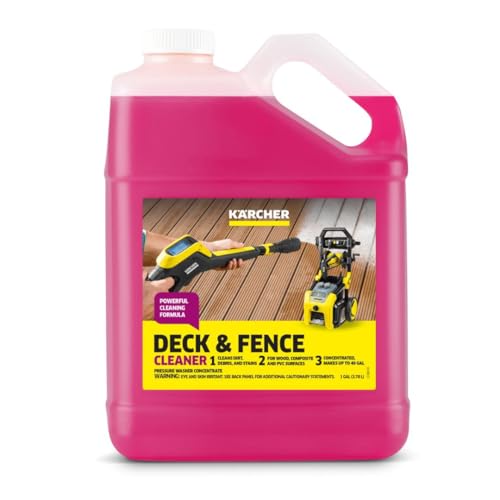
- Wood deck cleaner for sap removal – general cleaner formulated for resin stains
- Pressure washer deck cleaner sap resin – optional for large areas; use with caution on soft wood
- Deck cleaning scraper tool sap remover – for stubborn, dried resin spots


Before You Start
Inspect the deck for loose boards, splinters, or peeling stain. Work in a shaded area to prevent quick drying of cleaners. Test any cleaner on a small, inconspicuous patch to verify colorfastness. Wear gloves and eye protection, and follow label instructions for dilution and contact time. Plan for several passes on heavy sap and allow the wood to dry between applications.
Critical cautions: avoid high-pressure washing on soft or damaged boards, which can gouge the wood. Do not mix cleaners with bleach or ammonia unless the product label explicitly allows it. Protect nearby plants and grass from run-off.
Step-By-Step: How To Clean Sap Off A Wood Deck
- Identify sap-affected areas and remove loose debris with a broom or brush.
- Apply a citrus-based deck cleaner for sap resin according to label directions, focusing on sap-rich spots.
- Let the cleaner sit for the recommended contact time, typically 5–10 minutes, to soften the resin.
- Use the deck sap remover brush wood deck to scrub in small circles, working with the wood grain to minimize scratching.
- Rinse with a moderate stream of water; avoid directing high pressure at joints or warped boards.
- If sap persists, repeat cleaner application or switch to a wood deck cleaner for sap removal on tougher stains.
- For stubborn patches, use the deck cleaning scraper tool sap remover to gently lift hardened resin without gouging.
- Rinse thoroughly and allow the deck to dry completely before applying any sealant or stain.
- Assess the surface after drying; repeat a light cleaning if some resin remains in crevices.
- Consider annual maintenance with a sap-specific cleaner to prevent buildup and preserve wood color.
- Post-cleaning, reapply a protective finish if the wood showed wear or the old finish faded.
- Dispose of used cleaning solutions according to local regulations and product labels.
Troubleshooting
| Symptom | Likely Cause | Fix | Prevention |
|---|---|---|---|
| Sap returns shortly after cleaning | New sap bleed from nearby branches | Clean promptly when sap is fresh and consider periodic maintenance | Seal nearby branches or choose resin-resistant decking materials |
| Discoloration after cleaning | Bleach or aggressive cleaners used | Rinse thoroughly and rewash with milder cleaner | Test cleaners on a small patch first |
| Rings or grain raising | Excessive scrubbing or improper cleaner | Switch to gentler cleaner and shorter scrubbing intervals | Follow label contact times and use brush with soft to medium bristles |
| Wood surface feels rough after cleaning | Aggressive scrubbing or dry wood | Moisturize surface with a light wood conditioner after drying | Keep wood hydrated, avoid hot sun during cleaning |
Common Mistakes
- Using a pressure washer at full power on soft wood, causing splintering
- Applying cleaners without testing on a hidden area first
- Rushing the process with too little dwell time for cleaners
- Neglecting to rinse thoroughly, leaving residue that attracts more sap
Tips For Best Results
- Work from the highest deck boards down to avoid recontamination on cleaned areas
- Temperature matters: clean during mild, dry weather for optimal dwell times
- Use a dedicated sap remover brush wood deck to minimize friction damage
- Follow up with a compatible sealant or stain to protect against future sap leaks
Call A Professional
Consider hiring a pro if the deck has extensive sap damage, stubborn resin that won’t lift, or if the boards show warped or rotted areas. Seek assistance for elevated decks or if power washing is requested and you are unsure of safe pressure levels. Stop and contact a professional if the wood shows soft spots, mold growth, or signs of structural instability.
FAQ
What’s the safest cleaner for sap on redwood or cedar?
Use a citrus-based deck cleaner for sap resin formulated for outdoor wood; always test on a small area first.
Can I use a pressure washer to remove sap?
Yes, but use low pressure and a wide spray nozzle to avoid damaging the wood. Consider a dedicated deck cleaner sap resin before washing.
How often should I treat sap on a deck?
Treat sap as soon as it appears and perform preventive cleanings before heavy sap seasons to minimize buildup.
Will cleaning sap ruin the deck finish?
When following label instructions and using gentle tools, sap cleaning should preserve the finish. Always rinse and dry thoroughly before applying new sealant.
Is a scraper safe for my deck?
Yes, a deck cleaning scraper tool sap remover can lift stubborn resin when used gently along the grain without gouging.
Buying Guide
Choosing the right sap-cleaning setup depends on deck material, size, and maintenance goals. Consider these factors:
- <bSize and layout: Larger decks may benefit from a pressure washer deck cleaner sap resin, but ensure boards are sturdy and not prone to damage.
- <bNoise level: Power tools and washers create noise; opt for quieter options if near living spaces or neighbors.
- <bEnergy efficiency: Manual scrubbing with a dedicated brush saves energy and reduces waste, while a powered cleaner speeds up large jobs.
- <bControls and ease of use: Look for cleaners with simple dilution ratios, clear dwell times, and compatible brushes for sap removal.
- <bPlacement and area: Prepare adjacent landscaping to prevent chemical runoff; use protective coverings where needed.
- <bProduct compatibility: Ensure the citrus-based deck cleaner and sap remover brush work together with your deck’s stain or sealer.
- <bMaintenance needs: Regular cleaning reduces buildup; plan a seasonal cleaning schedule to keep sap from hardening.
With the right tools and steps, sap on a wood deck can be effectively managed, restored, and protected for seasons to come. A careful combination of targeted cleaners, a scrub brush, and, when necessary, a scraper tool sap remover delivers practical, budget-friendly results for American homeowners.