Keeping glass slides clean is essential for accurate observations in laboratories and educational settings. Proper cleaning removes dust, fingerprints, residue, and oils that can interfere with imaging, staining, or analysis. This guide outlines practical steps using common tools and safe practices to restore slide clarity without risking damage.
Quick Answer
Start with mild cleaning using lint-free wipes and isopropyl alcohol, avoid abrasive materials, and finish with a thorough rinse and dry. For stubborn residues, an ultrasonic cleaner can save time, followed by a final wipe with lint-free towels.
What You’ll Need
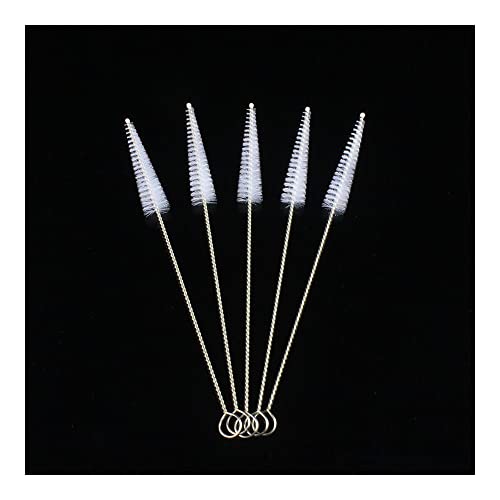
- Microscope slide cleaning brush
- Lint-free wipes for microscope slides
- Isopropyl alcohol 70% for glass slide cleaning
- Ultrasonic cleaner for microscope slides
- Slide cleaning kit for laboratory slides


Before You Start
Prepare a clean workspace and gather all materials before starting. Wear appropriate protective gear if handling glassware or solvents. Ensure surfaces are stable and dry before starting. Protect drains and work areas from chemical spills. Allow slides to air-dry completely to avoid water spots that can mimic contamination.
Step-By-Step: How To Clean Slides
- Inspect the slide for visible debris, oils, or residues. Note any staining that may require special steps.
- Rinse the slide under a gentle stream of distilled water to remove loose particles.
- Use a microscope slide cleaning brush with warm soapy water, if needed, to dislodge stubborn films. Rinse thoroughly.
- Wipe with a lint-free wipe for microscope slides dampened with isopropyl alcohol 70% to remove oils and residues from both sides.
- For persistent residues, place slides in an ultrasonic cleaner for microscope slides with a mild cleaning solution for 1–3 minutes, then rinse again with distilled water.
- Perform a final rinse with fresh distilled water to remove any remaining solvent or detergent.
- Dry slides with a new, lint-free wipe or allow to air-dry on a clean rack, ensuring no lint is left behind.
- Store cleaned slides in a dust-free container or slide rack until use, away from direct contaminants.
Troubleshooting
| Symptom | Likely Cause | Fix | Prevention |
|---|---|---|---|
| Cloudy or streaky slide | Residual oils or soap film | Re-clean with lint-free wipes and 70% isopropyl alcohol | Rinse thoroughly; avoid soap residues |
| Visible fibers on slide | Lint from towels or wipes | Switch to new lint-free wipes; inspect wipe before use | Only use approved lint-free materials |
| Water spots after drying | Hard water or incomplete drying | Use distilled water; dry with clean wipes or air-dry completely | Dry in a dust-free area |
| Streaks after ultrasonic cleaning | Improper solvent concentration or residues | Follow kit instructions and rinse with distilled water | Use tested cleaning solutions |
Common Mistakes
- Using abrasive materials that scratch the glass
- Rubbing too hard, spreading oils rather than removing them
- Skipping the final rinse and dry step
- Reusing dirty wipes or towels that shed fibers
- Ignoring cross-contamination when cleaning multiple slides
Tips For Best Results
- Always work with distilled water for rinses to avoid mineral deposits.
- Replace lint-free wipes frequently during cleaning to prevent re-deposition of debris.
- Label and store solvents properly; never mix unrelated chemicals in a shared container.
- Pre-clean heavily soiled slides before attempting ultrasonic cleaning to reduce solvent use.
- Keep an organized workflow: inspect, rinse, clean, rinse again, dry, and store.
Call A Professional
Seek expert help if slides show persistent chemical damage, etching, or if they must meet strict standardization or regulatory requirements. Contact a supervisor or lab manager when dealing with hazardous residues or uncertain cleaning protocols.
FAQ
Can I use regular household alcohol for slide cleaning?
Use 70% isopropyl alcohol or higher-grade solvents recommended for laboratory use to avoid residues and ensure safety.
Is an ultrasonic cleaner necessary for all slides?
No. An ultrasonic cleaner helps with stubborn residues, but many slides can be cleaned effectively with wipes and gentle brushing.
How should slides be stored after cleaning?
Store in a dust-free rack or container with a clean lid to prevent recontamination.
What precautions should I take with solvents?
Work in a well-ventilated area, away from sparks or flames, and follow all safety data sheet guidelines.
How can I prevent lint contamination?
Use dedicated lint-free wipes and inspect them before use to ensure they are free of fibers.
Are there alternatives to isopropyl alcohol?
Yes, ethanol-based cleaners or other approved glass-cleaning solutions can be used if compatible with your slides and procedures.
Buying Guide
When selecting tools to clean slides, consider size and compatibility with your workflow, noise level of any cleaners, energy usage where applicable, control options, and placement within the lab. For example, an ultrasonic cleaner should fit your benchtop space and offer adjustable timers and temperature controls. A slide cleaning kit for laboratory slides should include compatible brushes, wipes, and a safe solvent system. Compare how tools handle delicate vs. heavy residue, and assess ease of sterilization and storage. If multiple users access the same equipment, prioritize reliability, straightforward maintenance, and clear instructional labels.