Fine china requires gentle care to maintain its luster and avoid scratches. This guide provides practical steps for washing, drying, and storing delicate dinnerware while using tools designed to protect fragile surfaces.
Quick Answer
Use soft, non-abrasive tools and mild detergent. Wash by hand in warm water, dry promptly with soft cloths, and handle pieces individually to prevent chips. If shiny gilt or patterns exist, avoid soaking for long periods and air-dry when possible.
What You’ll Need
- Non-scratch nylon dish scrubber for fine china
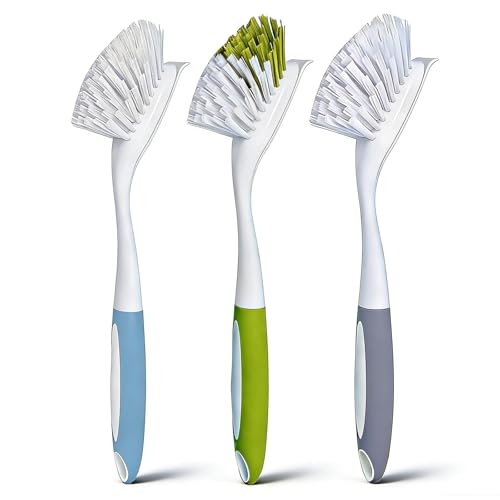
- Soft bristle dish brush for delicate china washing
- Microfiber dish cloths set for china plates drying
- Silicone sponge for delicate dish cleaning
- Dishwashing gloves latex-free for gentle cleaning of china


Before You Start
Clear the sink or workspace of clutter. Rinse dishes briefly to remove loose debris. Use warm water, not hot, to protect glazes and trims. Wear latex-free gloves to reduce skin exposure to detergents and to improve grip on slippery items. Allow hand-wash-only pieces to reach room temperature before cleaning to prevent thermal shock classic on any glazed finish.
Step-By-Step: How To Clean China Dishes Safely
- Fill a basin with warm water and a small amount of mild dish soap.
- Rinse each piece briefly under running water to remove loose particles.
- Gently wash with a soft bristle dish brush for delicate china washing or a non-scratch nylon dish scrubber for fine china, focusing on raised patterns only.
- Rinse each item promptly to prevent soap residue from settling into patterns or gilding.
- For stubborn spots, apply a light touch with a silicone sponge for delicate dish cleaning—avoid abrasive pads.
- Dry promptly with a microfiber dish cloths set for china plates drying, patting rather than rubbing to avoid scratches.
- Handle items by the edges and support heavier pieces with both hands to prevent slips.
- Inspect for remaining residue or chips; set damaged pieces aside for separate handling or disposal if necessary.
- Store dishes in a safe, padded cabinet with ample space between pieces to prevent contact.
- Repeat the process for each item, cleaning in small batches and keeping the work area organized.
- If stacking, place soft liners between plates to reduce contact and pressure.
- Pour excess water from basins and dry tools after use to prolong their life and hygiene.
Troubleshooting
| Symptom | Likely Cause | Fix | Prevention |
|---|---|---|---|
| Scratch marks on glaze | Contact with abrasive pads or rough handling | Switch to non-scratch tools; wash gently | Handle with care; use protective cloth liners |
| Dull or faded patterns | Soaking too long or harsh detergents | Limit soaking; choose mild soap | Wash promptly and rinse thoroughly |
| Chips after washing | Dropping or stacking improperly | Inspect and set aside damaged pieces | Use cushioned storage and avoid crowding |
| Soap residue on dishes | Too much soap or insufficient rinsing | Rinse with clean water, then air-dry | Use minimal soap and thorough rinse |
Common Mistakes
- Using abrasive sponges on fine china surfaces.
- S soaking pieces with gilded rims or painted details for long periods.
- Washing all items together in hot water, which can loosen delicate finishes.
- Stacking wet dishes without support or padding, risking chips.
Tips For Best Results
- Wash pieces individually where possible to minimize contact.
- Rinse in warm water, finishing with a cool rinse to set a bright, glossy finish.
- Use dedicated soft cloths for drying; avoid towels that shed fibers.
- Store china in a cabinet with gentle airflow and stable shelves to reduce moisture buildup.
- Regularly inspect storage areas for pests or dampness that could affect finishes.
Call A Professional
Consider a professional for high-value or antique sets if you notice persistent crazing, cracks, or fading gilt. Stop and seek expert advice if you encounter severe damage, glazing issues, or restoration questions.
FAQ
Is hand washing necessary for all china?
For most delicate or antique china, hand washing with gentle tools is recommended over dishwasher cycles.
Can I use a dishwasher for fine china?
Only if the manufacturer explicitly approves it; otherwise, hand washing reduces risk of damage.
What detergents are best for china?
Use mild, non-detergent or low-alkaline soaps designed for glassware or fine china to protect patterns.
How should I dry china with gold trim?
Pat dry with a soft microfiber cloth and avoid rubbing the gilded areas to prevent wear.
How can I prevent future scratching?
Avoid stacking, use soft liners between plates, and use non-scratch tools when cleaning.
Buying Guide
When selecting cleaning tools and accessories for china, consider size, material, and compatibility with your set. The right tools help preserve finish and patterns without introducing scratches or wear.
Key buying factors include:
- Size and ergonomics — comfortable grips and appropriate reach for dishes and cabinets.
- Noise level — quiet bristles and silicone sponges reduce splashing and noise during washing.
- Materials and gentleness — soft bristles, non-scratch nylon pads, and microfiber cloths protect surfaces.
- Energy and water efficiency — efficient hand-washing setup minimizes water use.
- Controls and storage — easy-access tools and tidy storage solutions prevent clutter.
- Placement and use — keep tools near the sink and within reach to minimize mishandling during cleaning.
For a balanced setup, pair items from the recommended tools with careful handling practices. If upgrading, test a tool on a single piece first to ensure it does not cause scratches or wear over time.