Wood cabinets add warmth and value to any kitchen or bathroom, but maintaining their luster requires the right cleaners and technique. Murphy’s Oil Soap is a longtime favorite for gentle wood care, helping remove grime without stripping finish. This guide outlines a practical, step-by-step approach to using Murphy’s Oil Soap and compatible tools to keep cabinets looking their best.
Whether you’re refreshing a damp bathroom vanity or a busy kitchen pantry, following a consistent cleaning routine can prevent buildup and protect wood surfaces over time. The methods below emphasize safe handling, effective cleaning, and minimal risk to finishes.
Quick Answer
Best practice: dampen a soft cloth or microfiber with Murphy’s Oil Soap solution, wipe surfaces in the direction of the grain, and buff with a clean, dry microfiber for a subtle shine. Avoid soaking wood and never mix with harsh chemicals or hot water.
What You’ll Need
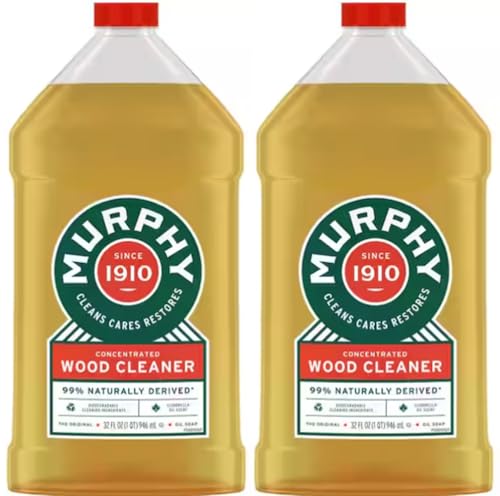
- Murphy’s Oil Soap 32 oz wood cabinet cleaner
- wood cabinet cleaning spray bottle 16 oz
- soft sponge for wood furniture cleaning
- microfiber cloths for wood cabinet cleaning
- lint-free microfiber towels for wood cabinet polishing


Before You Start
Prepare a clean, well-lit workspace. Remove items from cabinets to prevent spills on stored items. Test the cleaner on a small, inconspicuous area first to ensure no discoloration or finish damage. Work in a well-ventilated area and protect nearby countertops with a microfiber cloth. Avoid saturating wood, using abrasive scrubs, or mixing cleaners with ammonia or bleach.
Step-By-Step: How To Clean Wood Cabinets With Murphy’s Oil Soap
- Fill the spray bottle with a mild solution of Murphy’s Oil Soap according to label directions.
- Lightly mist a soft sponge or microfiber cloth—never spray directly onto wood surfaces—to prevent over-wetting.
- Wipe cabinets in the direction of the grain to lift dirt without dulling the finish.
- For stubborn grime, apply a bit more solution to a damp cloth and target the affected area with gentle circles.
- Rinse the cloth with clean water, wring well, and wipe away any soapy residue from surfaces.
- Dry the surfaces with a lint-free microfiber towel to prevent watermarks and extend wood life.
- Polish with a clean, dry microfiber towel to restore a subtle sheen without leaving a waxy film.
- Repeat monthly or as needed, focusing on high-traffic areas and corners where buildup tends to accumulate.
- Periodically inspect for any wear or peeling finishes and treat with a suitable wood conditioner if recommended by the manufacturer.
- Store cleaning supplies securely after use and label bottles clearly to avoid mix-ups.
- Dispose of used towels and sponges appropriately after each cleaning session to prevent cross-contamination.
- Maintain a regular cleaning schedule, adjusting frequency based on household humidity, cooking fumes, and exposure to water splashes.
Troubleshooting
| Symptom | Likely Cause | Fix | Prevention |
|---|---|---|---|
| Cloudy or streaky finish | Excess soap residue or over-wetting | Wipe with a damp cloth to remove residue, then dry thoroughly | Use damp (not wet) cloths and rinse regularly |
| Water marks after cleaning | Residual moisture | Buff with dry microfiber towels until completely dry | Always dry surfaces after cleaning |
| Finish discoloration | Test area not checked; harsh cleaner or over-application | Reassess with small test area; avoid harsh chemicals | Test new products before full use |
| Sticky feeling or film | Excess soap or oil buildup | Wipe with clean water, dry thoroughly, and re-polish | Use minimal soap and wipe cleanly |
Common Mistakes
- Over-wetting wood surfaces, which can cause warping or finish damage
- Using abrasive sponges or scouring pads that scratch the finish
- Mixing Murphy’s Oil Soap with ammonia, bleach, or other cleaners
- Skipping final drying and polishing, leading to streaks or dullness
Sticking to gentle tools and proper drying helps maintain wood cabinets’ natural beauty over time.
Tips For Best Results
- Use microfiber cloths for gentle cleaning and lint-free finishing.
- Apply oil soap solution sparingly; less is more for long-term protection.
- Wipe in the direction of the wood grain to preserve texture and sheen.
- Follow with a separate polishing step to restore a soft glow without buildup.
- Schedule routine cleanings to prevent stubborn grime from forming.
Call A Professional
Consider a professional if cabinets show significant finish wear, deep staining, or moisture damage that cleaning alone cannot restore. Seek help when you notice peeling veneer, warping, or persistent water intrusion, and when homeowners are unsure about the product safety on specific finishes.
FAQ
Is Murphy’s Oil Soap safe for all wood cabinet finishes?
Murphy’s Oil Soap is widely compatible with many wood finishes, but always test on a hidden area before full use.
How often should I clean wood cabinets with Murphy’s Oil Soap?
Clean high-traffic cabinets every 4–6 weeks; deep cleans can be done every few months depending on buildup.
Can I use Murphy’s Oil Soap on painted cabinets?
Murphy’s Oil Soap is best for finished wood. For painted cabinets, use a gentle, non-ammonia cleaner to avoid peeling paint.
What if I don’t have Murphy’s Oil Soap on hand?
Use a mild wood-safe cleaner or a solution of warm water with a small amount of mild dish soap, then rinse and dry thoroughly.
Buying Guide
Choosing the right products and setup for wood cabinet care involves several factors. First, consider the size of your cleaning task: a larger kitchen may benefit from a 32 oz bottle for ease of use and less frequent refills. Noise level isn’t a primary factor here, but efficiency matters—look for sprays and microfiber options that minimize streaks and residue. Energy efficiency is less relevant for cleaning gear, but selecting reusable microfiber cloths reduces waste. Controls are simple on spray bottles and squeeze bottles; ensure a comfortable grip and clear label guidance. Placement of cleaning supplies should be in a cool, dry area away from heat and direct sunlight to preserve cleaning efficacy. When comparing products, assess finish compatibility, ease of use, residue after wipe-down, and long-term impact on wood surfaces. A practical setup includes Murphy’s Oil Soap 32 oz wood cabinet cleaner, a 16 oz spray bottle for on-the-go touchups, soft sponges, and a set of microfiber cloths for cleaning and polishing. Consider adding lint-free microfiber towels for final buffing to achieve a streak-free finish. Always follow label instructions and perform a spot test before broader use.