Maintaining a spotless shower enclosure improves bathroom hygiene and extends the life of tiles, grout, and glass doors. A consistent routine using common cleaning tools can prevent soap scum, hard water deposits, and mildew buildup. This guide lays out practical steps, recommended tools, and safety tips for American households aiming to keep shower enclosures gleaming with minimal effort.
Quick Answer
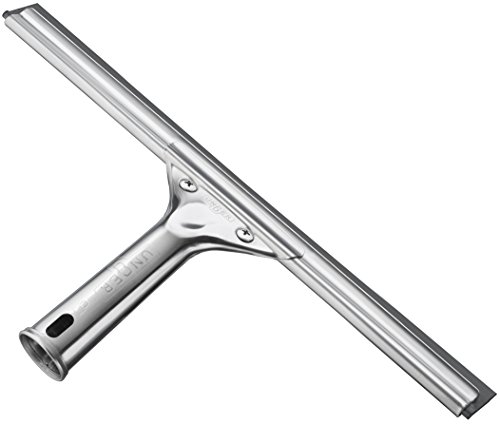
For quick results, rinse the enclosure after each use, squeegee the glass with a 12 inch stainless steel shower squeegee blade, and wipe down tiles with microfiber cloths. For stubborn grime, use an extendable aluminum shower cleaning scrub brush and an angled grout brush. Finish with a steam cleaner for glass doors if you need a deeper clean.
What You’ll Need
- 12 Inch Stainless Steel Shower Squeegee Blade
- Angled Grout Brush Nylon Bristles Shower Tile 1.5 Inch Head
- Extendable Aluminum Shower Cleaning Scrub Brush 36 Inch
- Microfiber Glass Cleaning Cloths 12×12 for Shower Doors
- Portable Handheld Steam Cleaner for Glass Shower Doors


Before You Start
Inspect the enclosure for any loose seals or chipped glass before cleaning. Ventilate the bathroom to avoid inhaling strong cleaners, and wear gloves to protect skin. Rinse surfaces with warm water to loosen grime, and test a small area with any cleaner to ensure it won’t damage surfaces. Time estimate: 15–30 minutes for a standard shower; 45–60 minutes if grout and buildup are heavy. Critical cautions: avoid abrasive pads on glass, and never mix cleaners that release chlorine gas with ammonia-based products.
Step-By-Step: How To Clean A Shower Enclosure
- Remove personal items and rinse all surfaces with warm water to soften soap scum.
- Use the 12 Inch Stainless Steel Shower Squeegee Blade to remove standing water from glass doors and walls, starting at the top and moving down in smooth, even strokes.
- Apply a mild cleaner or a vinegar-water solution to the glass and tile. Let it sit for 5–10 minutes to break down mineral deposits.
- Scrub tile grout and corners with the Angled Grout Brush Nylon Bristles Shower Tile 1.5 Inch Head to target embeded grime without damaging grout.
- For tough buildup, reach higher areas with the Extendable Aluminum Shower Cleaning Scrub Brush 36 Inch and scrub along the tracks and upper panels.
- Wipe glass surfaces with the Microfiber Glass Cleaning Cloths 12×12, using circular motions to lift residue and prevent streaks.
- For a deeper clean, run the Portable Handheld Steam Cleaner for Glass Shower Doors over doors and metal frames to sanitize and remove remaining residue.
- Rinse all surfaces with clean water, then finish with a final pass using the squeegee to remove moisture and prevent water spots.
Troubleshooting
| Symptom | Likely Cause | Fix | Prevention |
|---|---|---|---|
| Cloudy or streaky glass | Soap film or hard water deposits | Re-clean with vinegar solution; dry thoroughly | Wipe down after each use |
| Discolored grout | Mold or mildew in grout lines | Apply mildew-killing cleaner; scrub with grout brush | Keep area ventilated; wipe moisture daily |
| Streaks after cleaning | Residue from cleaners | Rinse thoroughly; use microfiber cloth for final dry | Avoid heavy waxy products on glass |
| Worn sealant around doors | Age or improper cleaning | Consult pro for resealing or replacement | Clean with non-abrasive tools; inspect annually |
Common Mistakes
- Using abrasive pads on glass or tile, causing scratches
- Skipping drying steps, leading to mineral deposits
- Mixing bleach with ammonia or cleaners that release chlorine gas
- Over-treating grout with harsh chemicals that erode the substrate
Tips For Best Results
- Routinely dry the enclosure after showers to minimize buildup
- Use microfiber cloths to reduce lint and streaks
- Choose pH-balanced cleaners to protect grout and seals
- Schedule a monthly deep clean for grout lines and door tracks
- Keep a dedicated cleaning kit on hand for quick touch-ups
Call A Professional
Contact a professional if you notice persistent mildew growth despite cleaning, cracked or chipped glass, or deteriorated seals around doors. Signs to seek help include water leakage beyond the shower base and persistent musty odors that resist standard cleaning.
FAQ
What is the best routine for keeping a shower enclosure spotless?
A quick daily rinse and squeegee wipe, plus a weekly deeper clean of grout and glass with appropriate brushes and microfiber cloths, maintains a pristine enclosure.
Can I use vinegar on all shower surfaces?
Vinegar is effective on mineral deposits and glass but should be avoided on natural stone or marble tiles and certain metal trims.
How often should grout be cleaned?
Grout should be scrubbed every 1–3 months depending on usage and water hardness to prevent discoloration.
Is a steam cleaner necessary?
Steam cleaners are optional but helpful for sanitizing glass and loosening stubborn grime without harsh chemicals.
What tools make cleaning easier?
Using a long-handled scrub brush, a dedicated squeegee, microfiber cloths, and a handheld steam cleaner streamlines the process.
How do I prevent soap scum buildup?
Rinse surfaces after each use and dry, then perform a light weekly wipe-down with a mild cleaner to reduce buildup.
Should I seal grout after cleaning?
Sealing grout periodically helps resist moisture and stains; follow the manufacturer’s recommendations for timing and products.
Buying Guide
When choosing tools for cleaning a shower enclosure, consider size, grip, and compatibility with common bathroom surfaces. Key buying factors include:
- Size and reach: A 36-inch extendable brush helps reach corners and tracks without ladders.
- Material durability: Stainless steel squeegees resist rust and last longer in humid bathrooms.
- Edge design: Angled grout brushes with narrow heads reach grout lines effectively.
- Surface compatibility: Microfiber cloths for glass minimize scratches and lint.
- Ease of use: Lightweight handles and comfortable grips reduce fatigue during routine cleaning.
- Multifunction options: Steam cleaners provide sanitizing power for glass and metal trims without chemicals.
- Storage and organization: A compact kit with a hanging holder keeps popular tools within reach.
Consider how often your shower encounters hard water and mildew, your preferred cleaning chemistry, and the enclosure layout when selecting tools. A well-rounded kit that includes a squeegee, grout brush, extendable scrub brush, microfiber cloths, and a steam option covers most households’ needs without overcomplication. For most homes, a balanced mix of these items offers reliability, ease, and efficiency in maintaining a sparkling shower enclosure.