Persistent sweat stains can be stubborn, especially on light or white fabrics. This guide outlines practical, chemical-enhanced and natural methods to remove armpit sweat stains from shirts, with a focus on American laundry practices and widely available products.
Quick Answer
Start with a pre-wash stain remover, then treat with an enzyme laundry stain remover or a color-safe bleach if appropriate. For repeat issues, add a laundry booster and use a sweat stain remover pen for white shirts. Always test on an inconspicuous area first.
What You’ll Need
The following tools and products are commonly effective against sweat stains on shirts. Use the items that best fit fabric type and color:
- enzyme laundry stain remover for sweat stains on shirts
- color safe bleach for sweat stains on clothing
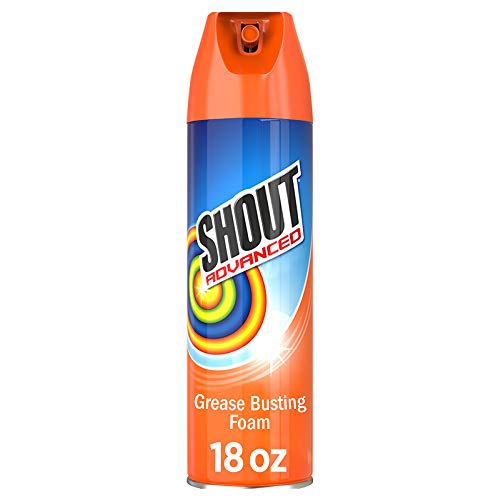
- pre-wash stain remover spray for armpit sweat
- laundry booster for sweat stain removal on shirts
- sweat stain remover pen for white shirts


Before You Start
Review garment care labels to determine heat tolerance and recommended detergents. Pre-treat only on areas affected by sweat to avoid uneven whitening or color fading. Work in a well-ventilated area when using chemical stain removers. Allow time for pre-treatment to sit—often 5–15 minutes for enzyme products, longer for stronger bleaches. Safety note: avoid mixing chlorine bleach with ammonia or acids, and never apply bleach directly to clothing that is not color-safe or intended for such treatment.
Step-By-Step: How To Remove Sweat Stains From Shirts
- Identify fabric type and check care labels to choose appropriate products and avoidance rules.
- Pre-treat with spray or stain remover on armpit areas, covering evenly. Let sit for 5–10 minutes.
- Apply enzyme laundry stain remover on the stain, working it gently with a soft brush or your fingertips.
- Rinse or wash with cold water to remove residual enzymes and loosened soils before heat exposure.
- Use color-safe bleach if color permits for persistent stains on color-safe fabrics; follow label directions.
- Incorporate a laundry booster in the wash cycle to enhance stain removal, particularly on repeated issues.
- Treat white shirts with a stain pen for targeted whiteness restoration on stubborn spots.
- Airing and drying dry the garment in shade to prevent sun fading; inspect before placing in dryer.
- Repeat if needed for particularly old or set-in stains, but avoid over-wetting delicate fabrics.
- Final wash Use the recommended wash cycle to ensure cleaner results without residue.
Troubleshooting
| Symptom | Likely Cause | Fix | Prevention |
|---|---|---|---|
| Stains persist after wash | Stains have set or product left residue | Re-treat with enzyme remover and re-wash; consider a booster | Pre-treat promptly, avoid over-drying before washing |
| Discoloration on fabric | Bleach used on non-color-safe fabric | Cease bleach use; opt for color-safe alternatives | Always check fabric care label |
| Stains return after wearing | Acid sweat or diet-related residues | Use a stronger pre-wash spray and re-treat regularly | Wash after wear; use deodorant compatible with fabrics |
| Rings or halo around armpit | Residual detergent or hard water minerals | Rinse thoroughly; consider a mineral-softening booster | Use correct amount of detergent; avoid overdosing |
Common Mistakes
- Using hot water on protein-based stains like sweat; it can set them deeper.
- Applying bleach on colored fabrics unless labeled color-safe.
- Waiting too long to treat fresh stains, allowing sweat to set.
- Over-applying stain removers, which can irritate fabrics or leave residues.
- Neglecting to test on an inconspicuous area before full treatment.
Tips For Best Results
- Act quickly: pre-treat and wash promptly after sweating to prevent set-in stains.
- Choose enzyme-based products for organic protein-based stains like sweat.
- Match products to fabric color: avoid bleach on dark or colored garments.
- For persistent armpit stains, rotate treatments: enzyme remover, booster, and pen as needed.
- Air-dry when possible to monitor stain removal without heat setting.
Call A Professional
Consult a professional cleaner if stains are large, persistent, or if the garment is highly valuable or delicate. Stop-treatment signs include fabric fraying, color bleeding after several attempts, or unusual odors that don’t disappear after washing. If the shirt is vintage or has special finishes (like metallic threads or sensitive dyes), seek expert care.
FAQ
Can I use regular detergent to remove sweat stains?
Detergents help remove surface soils but sweat stains often require targeted pre-treatments such as enzyme stain removers or spray pre-washes to break down organic compounds.
Is color-safe bleach effective for all shirts?
Color-safe bleach works on many fabrics but not all. Always check the garment care label before use.
How long should I wait after applying stain remover?
Most products recommend 5–15 minutes for enzymes; follow label directions for best results.
Can deodorants cause sweat stains?
Yes, aluminum-based deodorants can react with sweat, creating residue that resembles staining. Pre-treating with enzyme cleaners can help.
Do I need to wash again after using a stain pen?
Yes, follow with a regular wash to remove residues and restore fabric whiteness or color.
Buying Guide
When selecting products to combat sweat stains, consider size, effectiveness, and fabric compatibility. For shirts, especially whites, a combination of enzyme-based stain removers, spray pre-washes, and a selective bleach option offers robust results. Look for formulas labeled safe for cotton, blends, and color-fast fabrics. Consider packaging convenience for regular use, such as pump sprays or pens for targeted spots. Noise level and energy use are not relevant here, but user-friendly instructions and clear dosage guidelines matter for consistent results. Choosing a system that includes a booster can improve outcomes on repeated stains, while a dedicated pen helps spot-clean white shirts on the go. Placement of the products in a laundry closet should keep them out of reach from children and away from heat sources. By matching products to fabric type and stain severity, consumers can achieve cleaner shirts with fewer rewashes and less labor. Would you benefit from a multi-product approach or a simple, targeted routine? The answer depends on how often sweat stains appear and the color and weave of the shirts in your rotation.