Perforated leather seats offer premium style and breathability, but cleaning them requires care to preserve the tiny air holes and avoid damage. This guide explains a practical, step-by-step approach using common leather care products and tools to keep perforated upholstery looking fresh.
With the right method, you can remove grime, prevent staining, and extend the life of your perforated leather. The steps below are suitable for most cars and DIY maintenance routines.
Quick Answer
Use a pH neutral leather cleaner for perforated leather applied with a microfiber cloth, then finish with a leather conditioner for perforated automotive seats. Gently wipe, avoid soaking, and buff dry to prevent water spots.
What You’ll Need
- Perforated leather cleaner kit
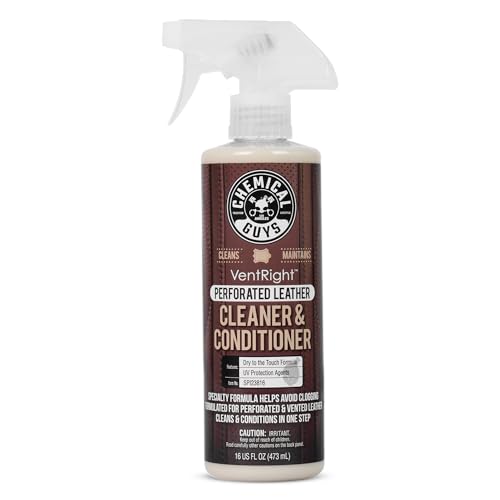
- Car leather cleaner spray perforated seats
- PH neutral leather cleaner for perforated leather
- Microfiber cloths for leather cleaning
- Leather conditioner for perforated automotive seats

Before You Start
Before cleaning, vacuum the surface with a soft-bristle attachment to remove loose debris. Test cleaning products in an inconspicuous area of the seat to ensure no staining or discoloration occurs. Work in a shaded area to prevent rapid drying, and avoid saturating the perforations, which can trap moisture.
Critical cautions: Do not use harsh solvents or household cleaners on perforated leather, as they can dry or crack the material. Keep liquids away from seat seams and stitching to prevent seepage behind the perforations.
Step-By-Step: How To Clean Perforated Leather Seats
- Remove surface dust with a dry microfiber cloth, paying attention to the perforations to prevent grit from rubbing into the pores.
- Lightly mist car leather cleaner spray perforated seats onto a clean microfiber cloth, not directly onto the perforated surface.
- Gently wipe in circular motions across a small section, allowing the cleaner to lift dirt without soaking the leather.
- For stubborn grime, use a soft brush or the edge of the microfiber cloth to lift debris from between perforations without scratching.
- Wipe away the cleaning residue with a dry microfiber cloth, ensuring all moisture is removed from the perforations.
- Apply a leather conditioner for perforated automotive seats to a separate clean cloth and lightly buff into the surface in circular motions.
- Let the conditioner absorb for the recommended time, typically a few minutes, then buff off any excess with a dry cloth.
- Repeat on any remaining sections, ensuring an even finish across the entire seat.
- Optionally, store used cloths separately and wash them after use to prevent cross-contamination.
- Reinsert floor mats and allow the seats to air-dry completely before sitting to avoid transfer of cleaner scent.
- Inspect seams and perforation edges for signs of wear; address any issues promptly with a compatible leather repair product if needed.
- Schedule a routine cleaning every few months or after significant staining for best long-term results.
Troubleshooting
| Symptom | Likely Cause | Fix | Prevention |
|---|---|---|---|
| White haze on leather | Residue from cleaner | Wipe with a clean, damp microfiber cloth to remove residue | Use minimal cleaner and light wipes |
| Sticky feeling after cleaning | Over-application of product | Buff with dry cloth and remove excess | Apply thin, even layers |
| Dry, cracked leather | Harsh cleaners or over-drying | Switch to pH neutral cleaner and add conditioner | Regular conditioning schedule |
| Perforations discolored | Cleaner seepage into perforations | Avoid saturating; apply with cloth, not spray directly | Spot-test and work in small sections |
Common Mistakes
- Using household detergents or alcohol-based cleaners on perforated leather
- Soaking seats with liquid cleaners, which can reach the foam beneath
- Skipping a test patch that could reveal color bleed or texture change
- Failing to dry thoroughly, leading to mildew or odor
Tips For Best Results
- Choose a pH neutral leather cleaner for perforated leather to preserve finish and elasticity.
- Use a dedicated microfiber cloths for leather cleaning to lift dirt without scratching perforations.
- Work in sections to ensure even cleaning and drying across all perforated panels.
- Condition after cleaning to restore moisture; avoid over-conditioning, which can darken the leather.
- Store cleaning products in a cool, shaded place to maintain effectiveness.
Call A Professional
When signs of cracking, deep staining, or torn perforations appear, or if fittings and stitching are compromised, it is wise to consult a professional automotive detailing service. Seek help if moisture has penetrated behind the perforated areas or if the seat feels overly stiff after cleaning.
FAQ
Can I clean perforated leather with water alone?
Water can help flush away dust, but it should be used sparingly with a mild cleaner for best results.
Is a spray cleaner better than a wipe-on product?
Spray cleaners offer convenience, but applying with a cloth helps control moisture in perforations.
How often should perforated leather seats be cleaned?
Clean as needed when dirt is visible; a routine every few months helps maintain appearance and longevity.
Will conditioning darken perforated leather?
Some conditioners may lightly darken leather; test first and apply a small amount to gauge the effect.
Buying Guide
When choosing products for perforated leather, consider several factors to balance care with appearance. The right kit will include a suitable perforated leather cleaner kit and a compatible leather conditioner for perforated automotive seats, along with microfiber cloths designed for delicate surfaces.
Key buying factors include size, to fit your vehicle’s interior, and the product’s pH level to protect the leather’s finish. Look for low-foam formulations that won’t leave residues in perforations. Consider a kit that provides both cleaning and conditioning steps to streamline maintenance.
Ease of use matters: a spray bottle paired with pre-cut or lint-free microfiber cloths makes application straightforward. For busy owners, a reputable car leather cleaner spray perforated seats with clear instructions helps minimize missteps. Finally, ensure the products are formulated for automotive leather and specifically marketed for perforated surfaces to address their unique needs.