Keeping kitchen worktops clean is essential for food safety and overall kitchen hygiene. This guide walks through practical steps to remove stains, spills, and everyday grime from various countertop surfaces using common tools and safe cleaners. The focus is on gentle methods that protect the surface while delivering a lasting shine.
Quick Answer
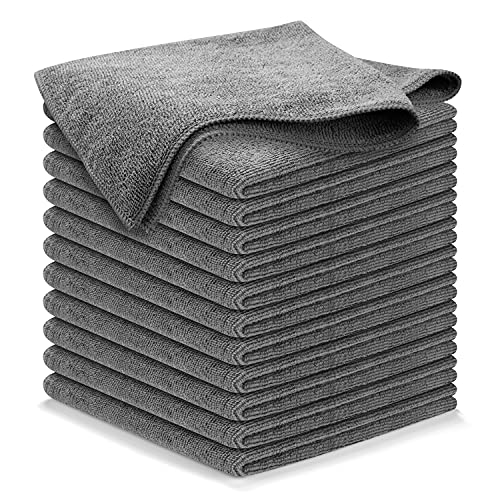
Best practice: Use a microfiber countertop cleaning cloth or microfiber towels with a stone-safe cleaner to lift grime without scratching. For stubborn spots, pair a non-scratch silicone scrub brush with a silicone spatula scraper to gently lift residue before wiping clean.
What You’ll Need
- microfiber countertop cleaning cloths set
- non-scratch silicone scrub brush for countertops
- granite quartz countertop cleaner spray bottle
- stone-safe countertop cleaner kit microfiber towels
- silicone spatula scraper for countertop cleanup


Before You Start
Before cleaning, remove all items from the surface and wipe down loose crumbs. Read the label of any cleaner to ensure it’s compatible with your countertop material (granite, quartz, laminate, or natural stone). Time estimate: 10–20 minutes for a full surface clean. Critical cautions: avoid abrasive pads on soft stone, never use highly acidic cleaners on marble, and always test a small, inconspicuous area first.
Step-By-Step: How To Clean Kitchen Worktops
- Prepare your cleaning zone by laying a towel or mat to catch drips near the sink area.
- Dust the surface with a microfiber cloth to remove loose particles before applying cleaner.
- Lightly mist a stone-safe countertop cleaner onto the worktop, focusing on stained or greasy spots.
- Use a non-scratch silicone scrub brush for countertops to agitate stains gently in a circular motion.
- For tight corners, employ the silicone spatula scraper for countertop cleanup to lift hardened residue without scratching.
- Wipe the surface with a clean microfiber towel, turning the cloth to a fresh area to avoid spreading grime.
- Dry the countertop with a separate towel to prevent streaks and water spots.
- Inspect for any remaining stains; repeat the cleaner and scrub steps as needed.
- For routine maintenance, spray a light protective coating or a spray bottle cleaner and wipe evenly after use.
- Return items to the counter once the surface is completely dry.
- Dispose of used towels properly and rinse reusable cloths after each cleaning session.
Troubleshooting
| Symptom | Likely Cause | Fix | Prevention |
|---|---|---|---|
| Streaks or smears | Residue left by cleaner | Use a fresh microfiber cloth and wipe with plain water, then dry | Wipe in a consistent direction; avoid over-wetting |
| Stains persist after cleaning | Oil, coffee, or ink absorbed into porous material | Apply a stone-safe cleaner and scrub with brush; repeat if needed | Clean spills promptly; seal porous surfaces if recommended |
| Scratches appear after cleaning | Abrasive pad or harsh cleaner used | Stop using abrasive tools; switch to microfiber and gentle cleaners | Use soft tools for routine cleaning |
| Discoloration on white or light surfaces | Harsh cleaners or mineral deposits | Switch to pH-neutral cleaner; rinse thoroughly | Test cleaners on inconspicuous areas first |
Common Mistakes
- Using abrasive scrub pads on natural stone or sealed surfaces
- Over-wetting countertops, especially laminate and wood
- Using acidic cleaners (lemon juice, vinegar) on marble or calcareous stones
- Neglecting to dry the surface after cleaning, leading to water spots
- Ignoring manufacturer recommendations for specific countertops
Tips For Best Results
- Choose a cleaner formulated for your countertop type (granite, quartz, laminate, or natural stone).
- Pair cleaners with microfiber tools for best lint-free results.
- Clean spills promptly to prevent staining and surface damage.
- Test new cleaners in an inconspicuous area before full use.
- Maintain a routine by wiping down surfaces after heavy cooking sessions.
Call A Professional
Contact a professional if countertops show deep stains that don’t respond to gentle cleaning, or if there is visible damage, loose seams, or highly damaged finishes. If a countertop is newly installed and you notice unusual dullness or etching after cleaning attempts, seek expert advice to avoid voiding warranties.
FAQ
What cleaner is safe for granite countertops?
Use a cleaner labeled as granite or stone-safe; avoid acidic or abrasive products that can dull the surface.
Can I use vinegar on quartz countertops?
Avoid acidic cleaners like vinegar on quartz; stick to pH-balanced stone-safe cleaners.
How often should I clean kitchen worktops?
Wipe daily with a microfiber cloth and clean spills as soon as they occur; deep clean weekly or as needed.
What should I do if spills dry on the countertop?
Re-wet with a stone-safe cleaner, scrub gently, and wipe dry to remove residue.
Buying Guide
When selecting products to maintain kitchen worktops, consider surface type, cleaning power, and ease of use. This guide highlights factors that influence performance and satisfaction.
- Surface compatibility: Ensure cleaners are labeled for granite, quartz, or your specific material. Some surfaces require pH-neutral formulas.
- Cleaning tools: Microfiber cloths and non-scratch brushes reduce the risk of scratches while lifting grime.
- Foam vs spray: Sprays offer quick touch-ups; foams provide thorough cleaning on persistent spots.
- Fragrance and residue: Choose products with a light scent and minimal residue to avoid interfering with food prep.
- Efficiency and size: Consider spray bottles and kit options that cover multiple surfaces or compartments in a single purchase.
- Ease of storage: Compact kits and neatly designed brushes fit under sinks or in pantry drawers.
How do you balance cost and long-term value? Look for versatile, surface-safe cleaners that work across your countertop types and durable tools that last through numerous cleanings. Do you prefer a one-step spray or a deeper-cleaning kit? Evaluating your kitchen habits helps determine the best combination.