Mold on exterior seating and tables can mar appearance, spread quickly, and create health concerns for occupants. This guide explains practical, safe steps to remove mold from outdoor furniture while protecting the material and preserving finish. A clear process helps homeowners tackle wood, metal, and synthetic surfaces effectively.
Quick Answer
Identify the surface type, choose a suitable cleaner, apply with a brush or sprayer, scrub stubborn spots, rinse thoroughly, and dry completely before reusing. For painted, sealed, or varnished wood, use a mild cleaner and avoid aggressive bleaching that could damage the finish. For heavily moldy surfaces, start with a mold remover spray for outdoor wood patio furniture and progress to a pressure washer if appropriate for your furniture material.
What You’ll Need
- Mold remover spray for outdoor wood patio furniture 32 oz
- Stiff nylon scrub brush for outdoor furniture mold cleaning
- Electric pressure washer for patio furniture mold removal 2500 PSI
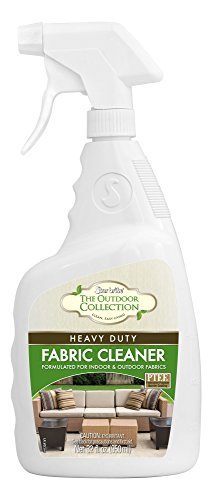
- Patio furniture cleaning kit with mold remover and brushes
- Bleach-based outdoor furniture mold cleaner 1 gallon
- Protective gloves and eye protection
- Soft cloths and a spray bottle for touch-ups


Before You Start
Assess the furniture type: wood, plastic/Resin, metal, or fabric cushions. Test a small, inconspicuous area before wide application to ensure finish compatibility. Work in a shaded area or during mild temperatures to allow the cleaner to dwell without rapid evaporation. Wear gloves and eye protection, and avoid mixing cleaners with ammonia or other bleach products. Plan for a thorough rinse and complete drying to prevent re-growth.
Step-By-Step: How To Clean Mold Off Outdoor Furniture
- Clear the area: Move furniture away from walls and clutter; remove cushions and any detachable fabrics to treat separately.
- Choose a cleaner based on material: Use a mold remover spray for outdoor wood patio furniture on wooden surfaces, and a gentle cleaner for plastic or metal frames. For tough stains, a bleach-based cleaner can be effective if the finish allows it.
- Apply cleaner: Follow product directions. Apply evenly with a spray bottle or the included sprayer from a cleaning kit, ensuring all moldy areas are coated.
- Scrub gently but firmly: Use a stiff nylon scrub brush for stubborn mold. Work in circular motions to lift spores without scratching surfaces.
- Rinse thoroughly: Rinse with a garden hose at a moderate flow. If you have a pressure washer, set to low to avoid surface damage and start from the top, moving downward.
- Dry completely: Wipe excess moisture and allow furniture to air dry in the sun. Moisture can encourage rapid regrowth, so ensure cushions and frames are fully dry before reuse.
- Treat persistent areas: For persistent mold, reapply cleaner and repeat scrubbing. Consider sealing or repainting if the mold recurs frequently on wood.
- Reassemble: Once dry, reinsert cushions or fabrics and store or cover during damp seasons to minimize future mold growth.
Troubleshooting
| Symptom | Likely Cause | Fix | Prevention |
|---|---|---|---|
| Mold returns after cleaning | Moisture retention or porous surfaces | Apply a sealant or protective finish appropriate for the material | Store under cover, improve drainage, clean regularly |
| Discoloration after bleach cleaner | Finish damage on wood or dye bleed | Switch to milder cleaner or test on hidden area first | Limit bleach concentration and dwell time |
| Scratches on painted surfaces | Aggressive scrubbing or high-pressure water | Use a softer brush and lower pressure | Regular maintenance and gentle cleaning |
| Fabrics moldy | Moisture trapped in cushions | Machine wash or hand wash if label allows; air dry completely | Store cushions in dry, ventilated space |
| Rinsing leaves streaks | Detergent residue | Rinse with clean water until no suds remain | Rinse thoroughly during final pass |
Common Mistakes
- Waiting too long to clean after mold appears
- Using high-pressure water on delicate finishes, which can cause damage
- Mixing cleaners, especially bleach with ammonia-based products
- Ignoring fabric cushions or storage areas that trap moisture
Regular maintenance reduces the frequency of heavy cleanings and helps extend the life of outdoor furniture.
Tips For Best Results
- Test cleaners on a hidden area first to confirm compatibility with the finish
- Apply cleaners evenly and allow dwell time for better mold loosening
- Use a combination approach: gentle cleaning for most surfaces, reserving stronger agents for stubborn spots
- Regularly inspect furniture after rain and dry promptly to prevent mold resurgence
- Consider storage solutions, such as breathable covers, to reduce moisture buildup
Call A Professional
Seek professional help if mold covers a large area, involves composite or engineered wood, or if persistent mold recurs despite cleaning. Stop signs include extensive warping, structural rot, or a strong, lingering odor that persists after cleaning. A pro can advise on appropriate coatings or replacement needs and ensure safety with chemical use.
FAQ
Is it safe to use bleach on all outdoor furniture?
Bleach is effective on many surfaces but can damage finishes and fabrics. Always test a hidden area first and dilute properly to minimize damage.
Can I use a pressure washer for wooden furniture?
Yes, but use a low pressure setting and keep the nozzle at a safe distance to avoid gouging wood or driving water into joints.
How often should outdoor furniture be cleaned to prevent mold?
Clean at least once per season and spot-clean after heavy rain or damp periods to prevent mold buildup.
What about mold on cushions and fabrics?
Wash fabrics according to care labels, or replace cushions if mold has deeply penetrated and cannot be removed.
Are there eco-friendly mold cleaners for outdoor use?
Yes, many brands offer non-bleach, plant-based formulations that are gentler on finishes while effectively removing mold.
Should I wear protective gear?
Always wear gloves and eye protection when handling cleaners and scrubbing mold.
What maintenance can prevent future mold growth?
Keep furniture dry, rotate cushions, and use breathable covers to reduce moisture buildup over time.
Buying Guide
Choosing the right mold cleaning setup for outdoor furniture involves considering material, cleaning power, and practicality. Key buying factors include size and coverage, noise level if using powered tools, energy efficiency for electric devices, control options for spread and dwell time, and placement considerations for safe storage and reducing moisture exposure. This guide compares typical options to help homeowners select a kit that balances effectiveness with surface safety.
Sectional Buying Considerations
Size and coverage: Large spray bottles or multi-surface cleaners are convenient for bigger patios, while smaller bottles work well for compact spaces. Noise: Electric pressure washers at 2500 PSI provide robust cleaning but can be loud; consider models with adjustable nozzles and quieter operation. Energy efficiency: Modern electric tools consume less energy and may include user-friendly presets for spray patterns. Controls: Look for adjustable pressure, chemical injection options, and easy-to-clean nozzles. Placement: Store cleaners in a cool, dry place away from direct sunlight; dry furniture before covering or storing to prevent mold rebound.
With the right tools and method, outdoor furniture can be restored to a clean, mold-free state. Following a careful sequence—from assessment through drying—helps protect finishes and extend the life of surfaces exposed to the elements. Regular upkeep and mindful storage are the best defenses against recurring mold growth.