Leaf guards can reduce gutter clogs, but they don’t eliminate maintenance. Regular cleaning helps maintain proper water flow and protects your home’s foundation. This guide provides a practical, step-by-step approach using common gutter-cleaning tools designed for leaf guards.
Across American homes, a thoughtful cleaning routine—paired with the right tools—keeps gutters effective during storms and autumn leaf seasons. The focus here is safety, efficiency, and clear instructions you can follow with standard tools and a modest setup.
Quick Answer
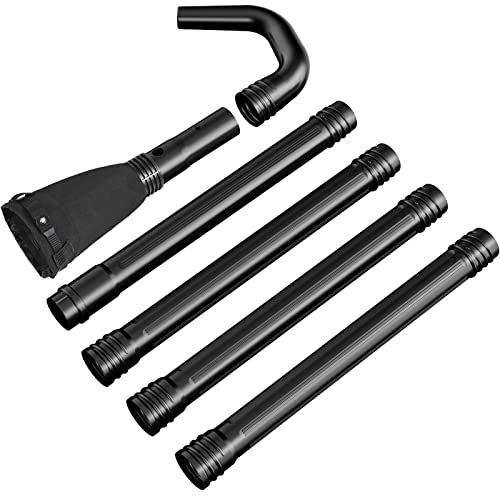
Best approach: Use a telescoping gutter cleaning wand with a curved nozzle to reach leaf guard mouths, followed by a leaf guard-specific debris scoop to remove trapped material. Finish with a brush for stubborn buildup and, if needed, a pressure washer attachment on low pressure to flush the system without damaging guards.
What You’ll Need
- Telescoping gutter cleaning wand curved nozzle
- Gutter cleaning brush for leaf guards
- Leaf guard gutter debris removal scoop
- Gutter cleaning tool kit for leaf guards
- Pressure washer gutter cleaning attachment for leaf guards


Before You Start
Assess the gutter system from ground level and from a sturdy ladder. Check for loose fasteners, detached sections, and damaged guards. Clear the area of pets and children, and wear non-slip footwear and eye protection. Plan the route so you don’t have to reposition the ladder frequently. Time estimate: 1–3 hours for a standard two-story home, depending on clutter and guard type. Never crawl onto a roof or lean excessively on guard structures.
Step-By-Step: How To Clean Leaf Guard Gutters
- Attach the telescoping gutter cleaning wand curved nozzle to a standard garden hose and extend to the first accessible section.
- Carefully align the nozzle with the opening of the leaf guard to avoid dislodging the guard while flushing debris downward into the gutter channel.
- Trigger the hose to dislodge loose leaves and soil trapped above the guards; use a light, sweeping motion along the gutter length.
- Switch to the gutter cleaning brush for leaf guards to scrub the top of guards and loosen compacted debris that the wand couldn’t remove.
- Use the leaf guard gutter debris removal scoop to lift and remove stubborn clumps near joints and corners without harming the guard mesh.
- Work in sections, pulling debris toward the downspouts; if a downspout is clogged, use the brush to loosen blockages from the inside and flush with water.
- For heavy buildup, connect the pressure washer gutter cleaning attachment for leaf guards to a low-pressure setting and carefully rinse the interior of the gutter without forcing water past seals.
- Inspect each downspout for flow; insert a thin rod or blower to clear any remaining obstructions and test run water through the system.
- Re-check the guard edges for secure seating and re-tighten any loose screws or clips found during the cleaning.
- Dispose of debris in a sturdy trash bin and rinse the work area; wipe down tools and store them for next season.
- Document any chronic issues (recurrent clogs, rust, or sagging gutters) and plan maintenance intervals based on local weather and tree activity.
Troubleshooting
| Symptom | Likely Cause | Fix | Prevention |
|---|---|---|---|
| Water backs up near the gutters | Clogged debris near downspouts | Clear with debris scoop and flush from wand | Schedule seasonal cleanings |
| Guard panels feel loose | Loose fasteners or damaged clips | Tighten or replace fasteners | Inspect after storms |
| Downspouts don’t drain | Blockage inside downspout | Use rod or blower; flush | Keep leaves away with guards |
| Debris carries over the guards | Guard design overwhelmed by heavy debris | Use debris scoop and lighter cleaning frequency | Trim nearby trees if possible |
Common Mistakes
- Using high-pressure water directly onto leaf guards, causing damage
- Ignoring ladder safety or overreaching beyond stable stance
- Forgetting to test downspouts after cleaning
- Overlooking small blockages that recur seasonally
Staying methodical reduces risk and improves results. A routine that combines brushing, scooping, and careful flushing typically yields the best performance with leaf guards.
Tips For Best Results
- Work from the end of the gutter system back toward the downspout to prevent re-cleaning sections.
- Schedule cleans after peak leaf fall or winter storms for maximum effect.
- Use a soft brush on guard surfaces to avoid scratching coatings or mesh.
- Keep a spare bag or container for collected debris to avoid tracking dust indoors.
- Store tools in a dry area to prevent rust and ensure longevity of attachments.
Call A Professional
Consider calling a pro if you notice persistent leaks, sagging gutters, or extensive damage to leaf guards. Stop signs to seek help include:
- Gutters detached or significantly sagging from the fascia
- Extensive rust, corrosion, or gaps around joints
- Downspouts blocked beyond simple flushing, or repeated clogs
- Guard panels cracked, bent, or missing large sections
Professional help can ensure guards are reseated, seals are intact, and the system continues to perform as designed.
FAQ
How often should leaf guard gutters be cleaned?
Most homes benefit from cleaning twice a year, typically in spring and fall, with additional cleanings after storms or heavy leaf fall.
Can I clean leaf guards with a pressure washer?
Yes, but set to low pressure and avoid direct spray at seals or joints to prevent damage.
Are leaf guards worth it for Maple trees?
Leaf guards generally reduce debris buildup, but annual maintenance is still recommended for high-debris areas.
What safety gear is essential for gutter cleaning?
Wear non-slip shoes, eye protection, gloves, and use a stable ladder with a spotter when working on elevated sections.
Buying Guide
When choosing tools for cleaning leaf guard gutters, consider size, reach, and compatibility with your gutter design. The right kit improves efficiency and reduces risk.
- <bSize and reach: A telescoping wand with adjustable length helps access second- or third-story gutters safely.
- <bGuard compatibility: Look for brushes and scoops designed for leaf guards, ensuring a gentle fit that won’t bend or damage the mesh.
- <bDownspout access: Ensure the kit includes a method to clear downspouts, whether rods, blowers, or flushing attachments.
- <bAttachment versatility: A combination kit with a curved nozzle, brush, scoop, and a pressure washer attachment provides flexibility for various debris types.
- <bDurability: Choose corrosion-resistant materials and sturdy connectors for repeated, seasonal use.
- <bEase of use: Quick-connect fittings save time and reduce hassle during setup and teardown.
- <bStorage: Look for compact, organized tool kits that fit in a garage or shed without clutter.
For buyers in the United States, selecting a complete gutter cleaning toolkit designed for leaf guards helps streamline routine maintenance and keeps gutters functioning well through changing seasons.