Hard water can leave mineral buildup inside plumbing, reducing flow and efficiency. This guide explains practical steps to clean pipes, remove calcium and lime scale, and protect against future deposits using common tools and proven methods.
Quick Answer
Start with a descaler to dissolve mineral buildup, then use a drain snake or handheld hydro jetting tool for stubborn clogs. Finish with a pipe cleaning brush set to scrub accessible surfaces and flush with plenty of water. Regular maintenance reduces future deposits.
What You’ll Need
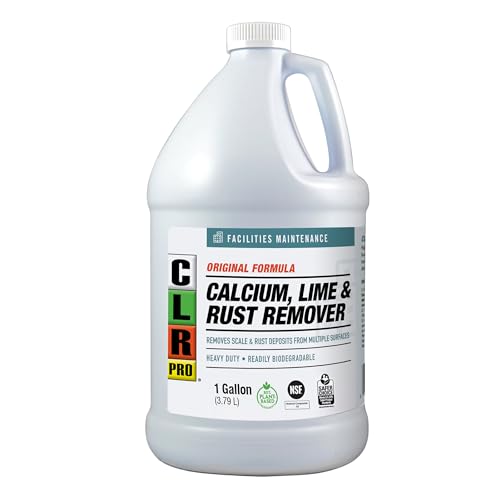
- calcium lime scale remover for plumbing pipes
- pipe descaler for hard water deposits
- drain cleaning snake auger 25 ft
- plumbing pipe cleaning brush set
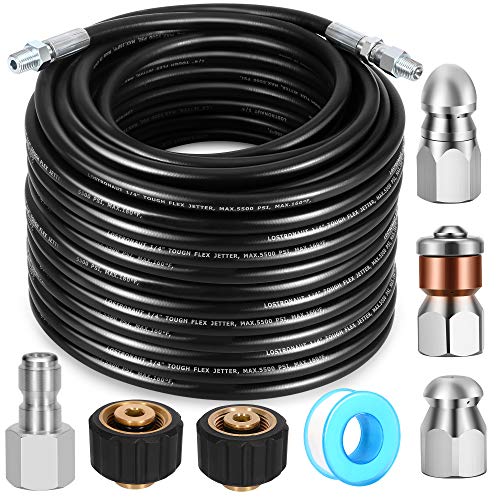
- handheld hydro jetting tool for clogged pipes

Before You Start
Assess whether the issue is mineral buildup or a clog. Read product labels and follow safety instructions. Clear the area around access points, protect floors, and turn off water supply before starting. Time estimates vary: plan for 1–3 hours for a full cleaning, with extra time for stubborn deposits. Warning: some cleaners can damage aged pipes or septic systems if used improperly. Always test a small area first and follow manufacturer directions.
Step-By-Step: How To Clean Pipes From Hard Water Deposits
- Shut off the main water supply and open faucets to relieve pressure. Assess the access point where mineral buildup is visible.
- Remove any accessible drain trap or cleanout to gain direct access to the pipe surface. This helps with thorough descaling.
- Apply a calcium lime scale remover for plumbing pipes according to label directions. Let it sit to dissolve mineral deposits on interior surfaces.
- Rinse the pipe with warm water to flush out loosened scale. Reapply if stubborn deposits remain in a localized area.
- Insert the pipe descaler for hard water deposits into the pipe or drain line, scraping gently where needed. Allow enough contact time for the descaler to work.
- Use the drain cleaning snake auger 25 ft to break through any mineral blockage in the main run. Rotate while advancing slowly to prevent kinking.
- Operate the handheld hydro jetting tool for clogged pipes at a low to medium pressure setting. Move the nozzle back and forth to scrub mineral buildup from the pipe walls.
- Attach the plumbing pipe cleaning brush set to a flexible handle and scrub accessible sections of the pipe interior to remove remaining scale and debris.
- Flush the system with a strong surge of water to clear loosened deposits. Repeat descaler/jetting steps if needed until the flow improves.
- Reassemble cleanouts and traps, restore water supply, and run taps at all fixtures to verify steady flow and absence of leaks.
- Document any recurring issues. If deposits return quickly, consider water treatment or a more thorough professional inspection.
Troubleshooting
| Symptom | Likely Cause | Fix | Prevention |
|---|---|---|---|
| Slow drainage after descaling | Partial mineral buildup remains | Repeat descaling and use hydro jetting at higher pressure (within tool limits) | Install water conditioner or softener |
| Clog returns quickly | Continued mineral saturation in water source | Address water hardness at source; consider whole-house filtration | Regular maintenance with descalers |
| Foot of pipe or trap shows corrosion | Aggressive chemical cleaners harming old pipes | Stop chemical use and switch to mechanical cleaning methods | Schedule professional assessment |
| Jetting tool struggles to remove buildup | Extremely hard scale or narrow pipe diameter | Try a different nozzle or consult a pro for a scoped solution | Limit future mineral exposure with treatment |
Common Mistakes
- Overusing highly acidic cleaners that can damage copper or aluminum pipes.
- Forcing tools through tight bends, which can kink or break the line.
- Neglecting safety: skipping eye protection or gloves when handling chemicals or pressurized jets.
- Assuming a single treatment will fix all sections—deposits can be uneven along a run.
Tips For Best Results
- Test a small area first to verify compatibility with pipe material.
- Use warm water to assist dissolution but avoid boiling temperatures that could stress pipes.
- Combine chemical descalers with mechanical actions (brushes, snake, hydro jet) for thorough cleaning.
- Schedule regular maintenance if your water supply has high mineral content.
- Consider whole-house water treatment to reduce mineral buildup long-term.
Call A Professional
Stop and call a professional if you notice significant pipe corrosion, multiple clogged lines, or persistent mineral buildup despite maintenance. Seek immediate assistance if there are signs of leaking, reduced water pressure across fixtures, or discolored water. Complex plumbing configurations or gas line components require licensed expertise.
FAQ
Can I use household vinegar to remove hard water deposits?
Vinegar can help in some mild cases, but it is usually less effective on heavy mineral buildup and may not be suitable for all pipe materials. Follow product instructions and consider dedicated descalers for tougher deposits.
Is a hydro jetting tool safe for older pipes?
Hydro jetting is generally effective, but it should be used carefully on aged pipes. High pressure can cause damage in fragile lines. Use equipment within recommended limits and consult a professional if unsure.
How often should I descale plumbing to prevent buildup?
For households with hard water, periodic descaling every 6–12 months is common, with more frequent maintenance for heavily mineral-laden water.
What signs indicate I need a professional inspection?
Persistent clogs, recurring buildup despite routine cleaning, or visible corrosion are strong indicators to involve a licensed plumber.
Are these tools compatible with commercial or apartment-grade plumbing?
Most tools adapt to standard pipe sizes, but compatibility varies. Check the manufacturer’s guidelines for pipe diameter and material before use.
Will water softeners completely prevent hard-water deposits?
Water softeners reduce mineral content but do not eliminate all deposits. They are part of a broader strategy including regular cleaning and filtration.
Buying Guide
Choosing the right set of tools for removing hard-water deposits depends on pipe material, access, and the severity of buildup. Consider the following factors to make an informed purchase.
Key Buying Factors
- <bSize and compatibility: Ensure tools match your pipe dimensions (inner diameter and material). Too large or incompatible tools can cause damage.
- <bDescalers and cleaners: Look for calcium lime scale remover for plumbing pipes and a dedicated pipe descaler for hard water deposits. Check for material safety and user instructions.
- <bDrain tools: A 25 ft drain cleaning snake auger is versatile for household drains, while shorter or longer lengths fit specific runs.
- <bCleaning aids: A plumbing pipe cleaning brush set helps scrub accessible surfaces; consider a handheld hydro jetting tool for stubborn clogs, paying attention to recommended pressure ranges.
- <bEase of use: Ergonomic handles, clear instructions, and straightforward assembly save time and reduce the risk of damage.
- <bSafety features: Look for protective tips, splash guards, and safety recommendations, especially when using pressurized jetting equipment.
- <bMaintenance needs: Choose tools with durable construction and readily available replacement parts to extend lifespan.
- <bCost and availability: Compare kit contents and individual tool prices, and verify compatibility with local hardware stores or online retailers.
In practice, a combination of a descaler, a dedicated scale remover, and a mechanical cleaning toolkit usually delivers the best results for typical home plumbing affected by hard water. If a home-wide treatment is desired, consult a plumber about a comprehensive plan that suits the building’s water quality and pipe network.