Metal shelving is a durable, versatile storage solution, but it can collect dust, fingerprints, and rust over time. This guide provides practical, step-by-step instructions to clean metal shelves effectively while protecting finishes and preventing corrosion.
By following a clear routine and using the right tools, homeowners and small business operators can extend the life of metal shelving and keep shelves looking neat and functional.
Quick Answer
Remove dust with a microfiber cloth, then apply a gentle degreaser spray for grime. For rust, use a rust remover spray or steel wool pads cautiously. Finish with a nylon bristle scrub brush for stubborn spots and wipe dry to prevent moisture buildup.
What You’ll Need
- microfiber cloths for cleaning metal shelves
- rust remover spray for metal shelves
- degreaser spray for metal shelving
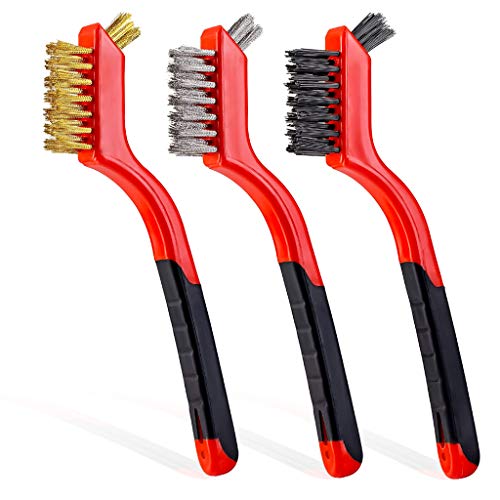
- nylon bristle scrub brush for metal shelves
- steel wool pads for rust removal on metal shelves


Before You Start
Preparation reduces mess and protects surfaces. Clear the area, remove items, and place a tarp or old towels to catch drips. Ventilate the space if you’re using chemical cleaners. Time estimate: 20–40 minutes for a typical 4–6 shelf unit.
Safety notes: Wear gloves to protect hands and avoid inhaling fumes. Test cleaners on an inconspicuous spot to verify compatibility with your shelving finish. If shelves are coated or painted, use gentler cleaners to prevent dulling or peeling.
Step-By-Step: How To Clean Metal Shelves
- Remove all items from the shelves and dust with a microfiber cloth to lift loose dirt.
- Wipe down surfaces with a degreaser spray for metal shelving to break down oil and fingerprints. Let it sit for a minute, then wipe away with a clean cloth.
- For greasy or sticky spots, apply a tiny amount of degreaser spray directly and scrub with a nylon bristle scrub brush for metal shelves.
- If rust appears, spray rust remover spray for metal shelves on the affected areas. Follow the product instructions and use steel wool pads for rust removal on metal shelves selectively on light rust only.
- Gently rub rusted spots with nylon brush or steel wool in a direction parallel to the shelf edge to avoid scratching. Wipe clean with a fresh microfiber cloth.
- Rinse or wipe down any cleaner residue with a damp cloth, then dry thoroughly with a dry microfiber cloth to prevent water marks and corrosion.
- Inspect edges and joints for residual grime. Reapply cleaner to stubborn spots and repeat as needed, focusing on corners and brackets where dust accumulates.
- Allow shelves to air dry completely before restocking. Place items back only after surfaces are fully dry.
- After reloading, wipe items as needed to prevent transferring dust back to the shelves.
- Establish a regular cleaning schedule, such as biweekly or monthly, to maintain metal shelf finishes and prevent buildup.
Troubleshooting
| Symptom | Likely Cause | Fix | Prevention |
|---|---|---|---|
| Rust returns after cleaning | Residual moisture or hidden rust | Re-treat area with rust remover and dry thoroughly | Keep shelves dry; use moisture-absorbing products in humid areas |
| Streaks or residue on metal | Cleaner residue or improper rinsing | Wipe with a clean damp cloth, then dry | Always finish with a dry microfiber wipe |
| Scratches after cleaning | Excessive scrubbing or steel wool use | Switch to nylon brush or softer cloth | Avoid aggressive tools on painted or coated finishes |
| Foul odor from cleaners | Harsh chemical cleaners | Ventilate and switch to milder degreasers | Always test in an inconspicuous area first |
Common Mistakes
- Using abrasive tools on painted or powder-coated shelves
- Over-wetting shelves, especially wooden components that support metal frames
- Neglecting to dry surfaces completely, leading to rust formation
- Mixing cleaners that can react and produce fumes or residues
Tips For Best Results
- Use microfiber cloths for cleaning metal shelves for dust-free wiping and minimal lint.
- Apply cleaners in a small, controlled area before broad application to prevent overuse.
- Work from top to bottom to prevent dirt from dripping onto cleaned areas.
- For heavy rust, consider repeating the treatment in stages to avoid deep pitting.
- Maintain a light coat of protective spray if the shelving is exposed to humidity, following product directions.
Call A Professional
Contact a professional if you notice extensive rust that compromises structural integrity, real corrosion around brackets, or if shelves are epoxy-coated and cleaning could void the finish. Seek expert assessment for metal shelving that shows bubbling paint, deep pitting, or sagging components.
FAQ
Can I use bleach to clean metal shelves?
Bleach is generally discouraged for metal shelving because it can corrode certain metals and finishes; use a degreaser or mild cleaner instead.
How often should metal shelves be cleaned?
Biweekly to monthly cleaning maintains appearance and longevity, with more frequent cleaning in humid or dusty environments.
What if rust keeps returning after cleaning?
Identify moisture sources, dry thoroughly, and consider a rust inhibiting product or sealant designed for metal shelves.
Are steel wool pads safe on all metal shelves?
No. Use steel wool only on untreated metal or rusted spots; on painted or coated finishes, prefer nylon brushes or nonabrasive pads.
Do I need to remove items completely every time I clean?
Removing items ensures thorough cleaning and reduces risk of residue transfer back onto stored items.
Buying Guide
When choosing cleaning supplies for metal shelves, consider size, compatibility with metal finishes, and ease of use. Buyers should compare:
- Size and spray reach for degreasers and rust removers to cover shelves efficiently
- Noise level and user comfort when scrubbing—manual brushes vs. powered tools
- Energy efficiency in any powered cleaning tools (if used)
- Controls such as trigger spray patterns and dilution options
- Placement considerations—open shelves vs. enclosed units and accessibility
For best results, prioritize products specifically labeled for metal surfaces and rust control, and follow label directions for safe, effective use. A well-chosen kit minimizes damage while keeping shelves clean and looking like new.