925 sterling silver rings are a beloved staple in American jewelry wardrobes for their classic shine. Over time, oils, sweat, and environmental exposure can dull their luster. This guide walks through safe, practical steps to restore shine without damaging delicate details or plating. It integrates common cleaning tools designed for 925 sterling silver to help readers choose the right products and avoid common pitfalls.
With careful handling and the right approach, a 925 silver ring can look like new again. The method below emphasizes gentle cleaning, proper drying, and preventative care to keep the ring bright between wears.
Quick Answer
Use a mild silver cleaning routine: rinse, apply a gentle cleaning solution, brush softly with a soft bristle brush, rinse again, dry thoroughly, and finish with a polishing cloth. For tough tarnish or detailed settings, consider an ultrasonic cleaner as a deeper option, followed by a final polish with a lint-free cloth.
What You’ll Need
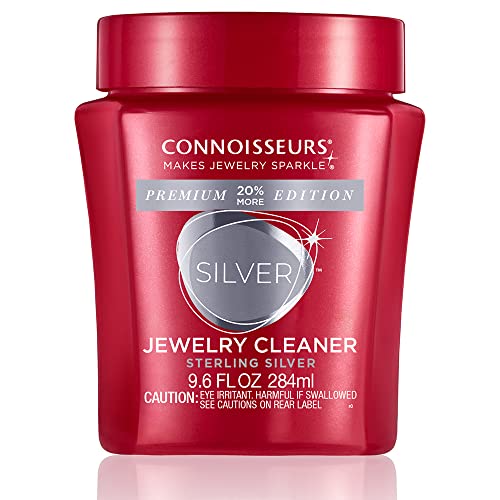
- sterling silver jewelry cleaning kit for 925
- ultrasonic jewelry cleaner for silver rings
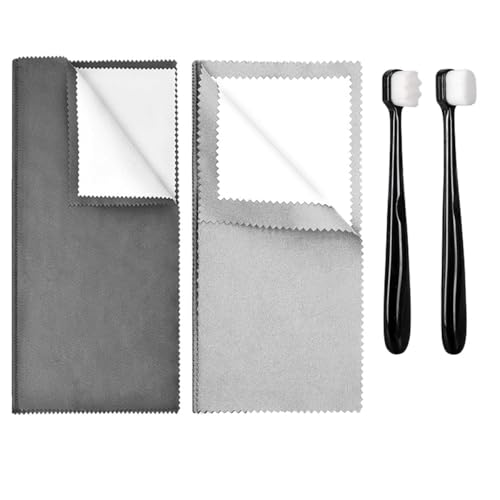
- polishing cloth for sterling silver jewelry
- silver cleaning solution for 925 sterling silver
- soft bristle brush for jewelry cleaning sterling silver
Before You Start
Preparation is key. Work on a soft, clean surface to avoid scratching the ring, and keep track of any stones or settings, as certain cleaners can affect gemstones differently. Read the product instructions for any cautions or restrictions. Plan for about 15–30 minutes for a standard cleaning, longer if you choose to use an ultrasonic cleaner.
Important cautions: avoid abrasive pads that can scratch the metal; never use bleach or ammonia-based cleaners on silver; test cleaners on a small, inconspicuous area first if the ring has precious stones or coatings; remove jewelry before swimming in chlorinated water or applying cosmetics to reduce speed of tarnish.
Step-By-Step: How To Clean A 925 Silver Ring
- Inspect the ring for loose stones or damaged settings before cleaning. If anything looks risky, stop and consult a jeweler.
- Rinse the ring under lukewarm running water to remove surface grime and loose particles.
- Prepare a shallow dish with a small amount of silver cleaning solution for 925 sterling silver, following the product’s instructions.
- Dip a soft bristle brush into the solution and gently scrub the ring, paying attention to crevices and intricate designs.
- If using an ultrasonic cleaner, place the ring in a jewelry basket, fill with water and a little cleaner, and run a short cycle as recommended by the manufacturer. Do not use ultrasonic cleaning for rings with soft stones or glued-on adornments.
- Rinse thoroughly under running water to remove all cleaning solution residues. Tap the ring gently to ensure all soap and cleaner are washed away.
- Dry the ring completely with a lint-free cloth, then buff with a polishing cloth until a bright finish returns to the surface.
- Inspect for remaining tarnish or dull areas. Repeat cleaning steps on any spots, but avoid over-cleaning which can wear away metal over time.
- Store the ring in a dry, anti-tarnish pouch or a soft jewelry box to slow tarnish between wearings.
- For heavily tarnished pieces, consider a professional cleaning service to prevent potential damage to stones or settings.
- Regular maintenance, such as light polishing with a dedicated cloth after wear, can extend the ring’s shine between deeper cleanings.
Troubleshooting
| Symptom | Likely Cause | Fix | Prevention |
|---|---|---|---|
| Dull, matte appearance after cleaning | residual residues or improper drying | Re-clean, ensure thorough rinse, dry completely | Dry with a clean cloth, avoid air-drying |
| Persistent tarnish in crevices | tarnish trapped in engravings | Use a soft brush and a rinse step; repeat as needed | Store in anti-tarnish environment |
| Discoloration around stones | cleaners contacting stones | Remove stones, or avoid stone-contact cleaners; test in small area | Follow stone-safe cleaning guidance |
| Scratches after cleaning | Abrasive cleaners or pads used | Switch to a non-abrasive cloth and cleaner | Use recommended polishing cloths only |
Common Mistakes
- Using abrasive pads or harsh chemicals on silver rings
- Over-soaking or leaving rings in cleaners for too long
- Cleaning stones that are not securely set
- Skipping thorough rinsing, leaving soapy residues
- Neglecting proper drying, which invites quick tarnish return
Tips For Best Results
For best outcomes, work in a well-lit, clean area and use a dedicated soft brush and polishing cloth. Always test cleaners on a small hidden area first. Compare results between a gentle cleaning and a brief ultrasonic cycle to decide what suits the ring’s design. After polishing, wipe with a microfiber cloth to remove fingerprints and restore shine. If the ring has a satin finish or specialized plating, use gentler methods to preserve texture and coatings.
Call A Professional
Seek professional help if the ring has loose stones, visible damage to the setting, or if tarnish persists after multiple cleaning attempts. Do not attempt aggressive repairs yourself. Signs to call a pro include detaching stones, deep pitting, or unusual discoloration near gemstones.
FAQ
Can I clean a 925 silver ring with toothpaste?
Toothpaste is mildly abrasive and can scratch silver over time; it’s better to use a dedicated silver cleaner or a polishing cloth.
Is ultrasonic cleaning safe for all 925 silver rings?
Ultrasonic cleaning is effective for many rings, but avoid it if the ring has fragile stones, glued accents, or certain settings that may loosen.
How often should I clean a 925 silver ring?
Clean every few months for everyday wear, or as tarnish appears. Light, frequent polishing helps maintain shine without wear.
What is the best way to store a silver ring to prevent tarnish?
Store in an anti-tarnish pouch or airtight container, away from humidity and sulfur-containing items. Use a soft cloth bag inside a jewelry box for extra protection.
Buying Guide
When selecting products to clean 925 silver, consider size and compatibility. Look at the cleaning kit contents and ensure it includes a gentle silver cleaning solution, a soft bristle brush, and a dedicated polishing cloth. For stubborn tarnish, an ultrasonic cleaner can be a valuable addition, but verify compatibility with stones and settings. A quick reference:
- Size and scope: Choose a kit that covers typical ring sizes and offers a brush that reaches fine details without scratching.
- Noise level: Ultrasonic cleaners vary; some models run quietly, others emit noticeable buzz. If noise is a concern, pick a unit with a lower decibel rating.
- Energy efficiency: Look for energy-efficient models and stand-alone cleaners to minimize electricity use.
- Controls: Simple timers and safety shutoffs reduce the risk of over-cleaning or damage.
- Placement: Store cleaners in a dry, ventilated area; ensure shelves are stable and away from heat sources.
In practice, a basic 925 silver ring cleaning routine with a dedicated kit paired with a soft cloth often yields reliable results. For deeper cleaning, an ultrasonic option provides deeper reach, but always respect stone settings and coatings.