Bubbles forming on the surface of a fish tank can be caused by several factors, including water agitation, filtration, and gas exchange. While some bubble activity is normal, excessive or persistent bubbles can disrupt gas exchange, create noise, or stress fish. This guide explains practical, user-friendly steps to identify the cause and reduce surface bubbles without harming aquatic life.
The following steps focus on common home setups and use readily available equipment found in many American hobbyist aquariums. Each technique aims to improve surface calmness while maintaining healthy oxygen levels for fish and beneficial bacteria.
Quick Answer
Start by reducing surface agitation with a gentler filtration setup or a surface skimmer, then consider a dedicated air stone diffuser or venturi-equipped air pump to balance gas exchange. If bubbles persist, check for overfeeding, detritus buildup, or a misaligned filter outlet. A canister filter with a bubble guard can help control downstream bubble release.
What You’ll Need
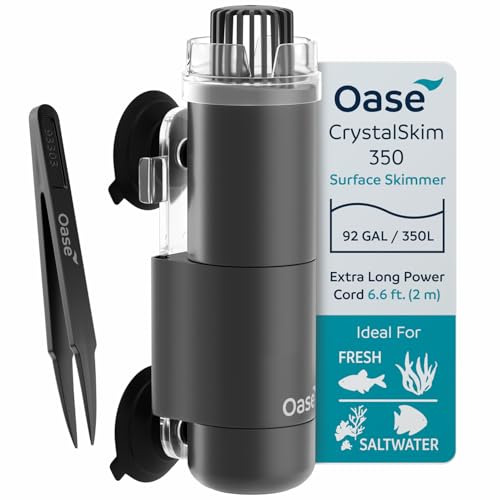
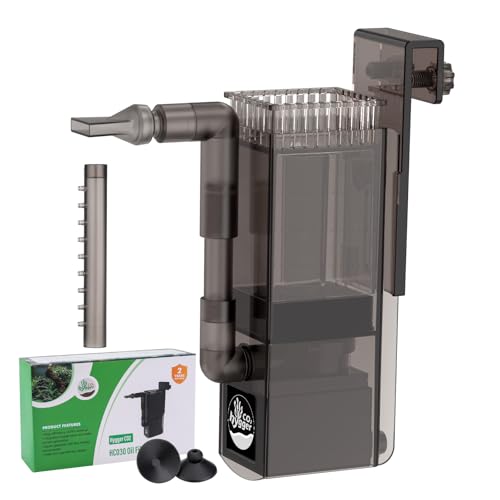
- aquarium surface skimmer for fish tank
- protein skimmer for freshwater aquarium
- air stone diffuser for aquarium bubble control
- aquarium air pump with venturi for surface agitation
- canister filter with bubble guard aquarium

Before You Start
Ensure the tank is stable, with stable temperature and compatible fish. Turn off power when handling equipment and unplug electrical components before making adjustments. Clear the area around the tank and remove debris from the water surface if needed. Time estimates will vary; basic adjustments may need several hours to reveal results.
If your tank has live plants, remember that some surface tension effects can be beneficial for gas exchange. The goal is balanced bubbles, not elimination of all surface movement.
Step-By-Step: How To Reduce Surface Bubbles
- Inspect the filtration system for outlets that direct water toward the surface. Redirect flow to create a calmer surface without decreasing filtration efficiency.
- Install or adjust an aquarium surface skimmer for fish tank to physically remove excessive surface bubbles and surface films while preserving oxygen exchange.
- Evaluate the air pump with venturi for surface agitation settings. If it’s adding too much agitation, reduce flow or adjust the venturi to lower air intake.
- Place an air stone diffuser for aquarium bubble control off to the side of the filter output to diffuse air into smaller bubbles away from the water surface.
- Use a protein skimmer for freshwater aquarium if bubbles are primarily caused by dissolved organic compounds; ensure it is appropriately sized for your tank and does not pull too much surface gas.
- Check for detritus or uneaten food at the substrate and perform a targeted water change if accumulation is visible, as debris can increase bubble formation during filtration.
- Inspect the canister filter with bubble guard aquarium and ensure gaskets are intact. Clean media if clogged, which can cause uneven flow and excess surface agitation.
- Adjust the return outlet height and direction to minimize direct spray on the surface while maintaining adequate circulation throughout the tank.
- Test water parameters (ammonia, nitrite, nitrate, pH) to ensure health conditions, as imbalances can influence surface behavior and gas exchange.
- Consider adding a surface tension reducer only if recommended by a aquarist; in most cases, mechanical and air diffusion adjustments suffice.
- Perform a quick test by removing or adding a small amount of filtration or air to observe changes in bubble activity and select the most effective combination.
- Document changes and monitor fish behavior and oxygen levels over several days to confirm sustained improvement.
Troubleshooting
| Symptom | Likely Cause | Fix | Prevention |
|---|---|---|---|
| Persistent foam or large bubbles at surface | Too much agitation or air introduced by pump | Reduce air pump rate or redirect flow | Regularly monitor pump settings |
| Bubbles disappear quickly, then return after feeding | Organic buildup on surface | Clean surface and perform partial water changes | Feed sparingly and maintain filtration |
| Bubble streaks along glass | Substrate debris or detritus | Rake substrate and clean filter media | Establish a routine cleaning schedule |
| Noise or vibration from tank | Filtration or air pump misalignment | Re-seat equipment, check tubing | Keep equipment properly maintained |
Common Mistakes
- Over-reliance on high airflow to “fix” bubbles without addressing root causes
- Ignoring signs of detritus buildup or overfeeding which fuel bubble formation
- Removing too much surface gas, potentially stressing fish and disrupting oxygen balance
Be mindful of maintaining a healthy balance between surface agitation and gas exchange. Small adjustments can have meaningful effects on tank stability and fish well-being.
Tips For Best Results
- Sequence experiments: change one variable at a time to identify the most impactful adjustment.
- Keep a log of settings, water parameters, and bubble observations to track improvements over time.
- Match equipment to tank size and bioload; oversized or undersized gear can both create surface issues.
- Use compatible components to prevent leaks or backflow that can worsen bubbles.
Call A Professional
Seek professional help if: the tank shows persistent gas bubbles despite adjustments, there are ongoing water parameter swings, or fish show signs of distress or disease. Sudden changes in filtration or aeration can affect biological balance and should be managed with expert guidance.
FAQ
Why do bubbles form at the water surface?
Bubbles form from surface agitation, gas exchange, filtration flow, or organic buildup in the water that drives off dissolved gases.
Will a surface skimmer remove all bubbles?
A surface skimmer reduces surface bubbles and film but may not eliminate all movement; it helps balance gas exchange and clarity.
Can a protein skimmer work in a freshwater tank?
Protein skimmers are more common in marine tanks, but some freshwater setups use them to manage dissolved organics if properly configured.
How long should I wait to see results after adjustments?
Expect to observe changes within 24–72 hours, though some setups may take longer depending on bioload and plant presence.
Buying Guide
When choosing gear to reduce surface bubbles, consider size, flow, and placement. For most hobbyists, a combination of a surface skimmer and a controlled air diffusion system offers reliable results. Evaluate each product’s compatibility with your tank dimensions and bioload, and verify that components fit your filtration setup. Noise level, energy use, and ease of maintenance are also important factors. Think about how the equipment will be arranged to minimize direct surface impact while keeping the tank aesthetically pleasing and healthy for aquatic life.
Additional Buying Considerations
- Size: Ensure the device is rated for your tank volume to avoid under- or over-filtering.
- Noise: Look for quiet operation, especially for bedrooms or living spaces.
- Energy efficiency: Choose energy-saving designs to reduce running costs.
- Controls: Simple on/off or adjustable flow controls help tailor performance.
- Placement: Consider whether surface devices, filters, or diffusers will fit around décor and cabinet space.