Maintaining spotless Invisalign aligners is essential for oral health, prevent odors, and keep aligners clear. Proper cleaning routines help maximize comfort and ensure the treatment stays on track. This guide walks American users through proven methods and safe products to keep aligners fresh between wearings.
Quick Answer
Clean Invisalign daily using a gentle routine: rinse after removal, soak as directed, and brush with a soft-bristle brush. Avoid hot water and harsh cleansers. For stubborn buildup, use specialized cleaning crystals or tablets designed for clear aligners, followed by a thorough rinse.
What You’ll Need
- Invisalign cleaning crystals
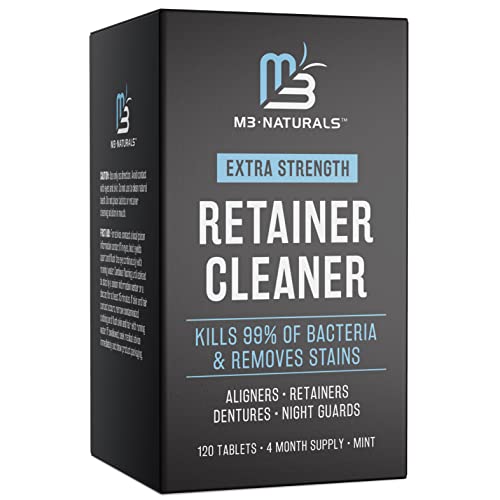
- clear aligner cleaning tablets
- aligner cleaning kit with case
- ultrasonic cleaner for clear aligners
- soft-bristle toothbrush for Invisalign cleaning


Before You Start
Before cleaning, remove aligners from the mouth and rinse under lukewarm water to loosen debris. Do not use hot water, bleach, or abrasive cleaners, as these can warp the aligners. Plan cleaning sessions twice daily or as recommended by a clinician. Protect the aligners from heat and sharp objects to avoid cracks or warping. Allow a full rinse after soaking to remove any cleaning residue.
Step-By-Step: How To Clean Invisalign Effectively
- Rinse: Hold the aligners under lukewarm running water to remove saliva and loose debris.
- Remove odors with crystals: Dissolve a packet of Invisalign cleaning crystals or similar product in a cup of lukewarm water as directed.
- Soak: Place the aligners in the solution and let them soak for the recommended time, typically 5–15 minutes.
- Gently brush: Use a soft-bristle toothbrush to lightly brush the surfaces, removing any remaining film. Do not scrub aggressively.
- Rinse thoroughly: Rinse under lukewarm water to wash away cleaning residue.
- Tablet alternative: If using cleaning tablets, drop a tablet into water per package instructions and soak, then rinse.
- Ultrasonic option: If using an ultrasonic cleaner, follow the device’s manual for settings, usually a short cycle with a mild solution.
- Air dry: Place aligners on a clean surface or in their case to air dry completely before wearing again.
- Storage: When not in use, store in the provided case to prevent contamination or loss.
- Routine check: Inspect for cloudiness or scratches weekly and adjust cleaning frequency if needed.
- Sanitize case: Clean the aligner case weekly with soap and water, then air-dry.
Troubleshooting
| Symptom | Likely Cause | Fix | Prevention |
|---|---|---|---|
| Cloudy or dull aligners | Residual cleaning agent or mineral buildup | Rinse thoroughly, reassess soaking duration | Use proper lukewarm water, avoid hot water |
| Lingering smell | Food residue or saliva trapped in grooves | Soak longer with crystals/tablets, brush gently | Rinse after meals, avoid leaving in case with mouth odor |
| Scratches or whitening marks | Over-brushing or abrasive cleaners | Switch to soft-bristle brush, stop abrasive products | Follow manufacturer guidance for cleaning frequency |
| Discoloration after cleaning | Taint from cleaning tablets or mineral deposits | Switch cleaning method, use fresh solution | Rinse well; avoid mixing products |
Common Mistakes
- Using hot water or boiling water that warps plastic aligners
- Skipping a daily rinse after meals, leading to buildup
- Overusing abrasive brushes or harsh chemicals
- Neglecting to clean the aligner case, inviting contamination
Tips For Best Results
- Establish a routine: clean every morning and night to prevent buildup.
- Use lukewarm water only; hot water can distort aligners.
- Follow product instructions precisely for soaking times and concentrations.
- Keep a dedicated cleaning kit and case to avoid cross-contamination.
- Rinse thoroughly after each cleaning cycle to remove any residue.
Call A Professional
Consult a dentist or orthodontist if aligners are significantly discolored, warped, or cause discomfort despite cleaning. Seek professional advice if you notice persistent odors that do not improve with routine cleaning, or if you suspect damage that may affect fit.
FAQ
Can I use regular toothpaste to clean Invisalign?
No. Regular toothpaste can be abrasive and create micro-scratches. Use a soft-bristle brush with plain water or a cleanser designed for aligners.
Are Invisalign cleaning crystals safe for long-term use?
Yes, when used as directed, Invisalign cleaning crystals are safe and effective for removing deposits without damaging the material.
How often should I replace the aligner cleaning kit with case?
Replace when the case shows cracks, loss, or odor, and whenever the cleaning kit components wear out or become stained.
Is an ultrasonic cleaner necessary?
No, but it can enhance cleaning for some users. Follow device instructions and avoid prolonged cycles that might stress the material.
Should I clean my aligners at night or in the morning?
Both are acceptable; many users rinse after meals and brush before bed to ensure clear, fresh aligners for sleep hours.
Buying Guide
When selecting aligner cleaning tools, consider size, ease of use, and compatibility with Invisalign materials. Key buying factors include:
- Size and portability: Compact kits travel well and fit into a bathroom drawer or travel bag.
- Cleaning power: Cleaning crystals or tablets should provide effective deposit removal without harming the aligners.
- Noise and convenience: Ultrasonic cleaners offer deep cleaning but may be noisier and bulkier; tablets provide a simple soak.
- Energy efficiency: Manual soaking solutions use no electricity; ultrasonic devices consume power but can reduce manual brushing time.
- Controls and indicators: Look for clear instructions, timing guidance, and safe solution concentrations.
- Placement and storage: A dedicated case or cleaning tray helps prevent loss and contamination.
Choosing a kit that includes clear aligner cleaning tablets or crystals, plus a soft brush and a case, often delivers the most practical value. If space or budget is limited, start with a reputable cleaning tablet and a soft-bristle brush, then add a sonic cleaner later if needed. Always prioritize products labeled safe for Invisalign materials and follow the manufacturer’s usage directions.