Linen upholstery brings a crisp, natural look to living spaces, but it can be sensitive to stains and moisture. This guide explains practical, safe methods for refreshing linen fabric on sofas, chairs, and cushions while preserving color and texture. Each step uses common tools and specifically referenced products to help maintain the integrity of linen upholstery.
Quick Answer
Gently blot fresh stains, then use a fabric-safe stain remover designed for linen, or a gentle detergent diluted in water. For deeper cleaning, a handheld fabric steamer can release dirt without soaking the fabric. Always test a hidden area first and air-dry completely before use.
What You’ll Need
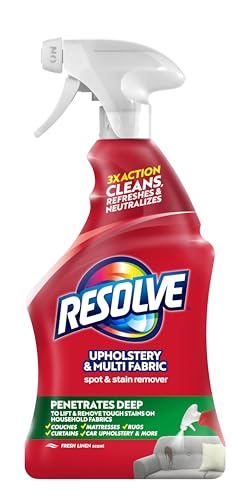
- Linen upholstery stain remover spray for fabric sofas
- Handheld fabric steamer for linen upholstery cleaning
- Upholstery cleaning brush kit for linen fabric
- Fabric-safe stain remover for linen sofa cushions
- Gentle detergent for linen upholstery fabric washable covers


Before You Start
Prepare a clean, well-lit workspace and protect surrounding areas with a drop cloth. Perform a patch test on an inconspicuous area by applying a small amount of cleaner and waiting 24 hours to check color fastness. Avoid saturating linen; excess moisture can lead to distortion or mildew. Plan for multiple light work sessions if the upholstery is heavily soiled, and allow ample time for air-drying between passes.
Step-By-Step: How To Clean Linen Upholstery
- Identify the stain and treat it promptly with a linen upholstery stain remover spray for fabric sofas if it’s fresh.
- Blot, don’t rub, using a clean white cloth to lift as much moisture as possible.
- Apply a small amount of gentle detergent for linen upholstery fabric washable covers diluted in water to the stain, and work from the outside in.
- Gently agitate with an upholstery cleaning brush kit for linen fabric to lift fibers without fraying.
- Rinse the area with a damp cloth to remove detergent residue, then blot to remove excess moisture.
- Use a handheld fabric steamer for linen upholstery cleaning at a distance to release embedded dirt while preserving fabric texture.
- Allow the fabric to air-dry completely. If possible, place the piece in a well-ventilated area and away from direct sunlight to prevent fading.
- Repeat only as needed for remaining stains, avoiding over-wetting and repeated steam exposure to prevent warp or stiffness.
Troubleshooting
| Symptom | Likely Cause | Fix | Prevention |
|---|---|---|---|
| Stains reappear after drying | Residual detergent or moisture | Spot-clean with a damp cloth and allow to dry completely | Test and dilute cleaners; limit moisture |
| Stiff or crusty fabric after cleaning | Detergent residue | Rinse area thoroughly and blot until dry | Use minimal detergent and adequate rinsing |
| Discoloration after steam | Heat sensitive dye or over-steaming | Keep steamer at a safe distance and use short bursts | Test a hidden area; follow manufacturer guidance |
| Persistent odor | Moisture retention or mildew risk | Ventilate area and ensure complete drying; repeat as needed | Prompt spill management; avoid soaking |
Common Mistakes
- Using hot water or aggressive scrubbing on linen upholstery
- Saturating the fabric with cleaners or water
- Directly applying cleaners to heavily stained areas without patch testing
- Rushing drying, which can trap moisture and cause odors
Tips For Best Results
- Always perform a patch test in an inconspicuous area before full treatment.
- Work from the outside of a stain toward the center to prevent spreading.
- Use a gentle touch; linen fibers respond best to light agitation.
- After cleaning, allow fabrics to dry completely in a ventilated space before use.
- Maintain regular maintenance with a light cleaning schedule to prevent buildup.
Call A Professional
Consider a professional upholstery cleaning service if stains are large, set, or involve unknown substances. Seek help if the fabric feels unusually stiff after cleaning, or if the upholstery is covered by a warranty that specifies professional care requirements. Stop DIY cleaning if you notice color bleed, fabric thinning, or if there is a strong chemical odor that does not dissipate.
FAQ
Can I clean linen upholstery with a steam cleaner?
Yes, a handheld fabric steamer can help loosen dirt, but avoid soaking the fabric and keep steam at a safe distance to prevent damage.
Is it safe to use detergent on linen upholstery?
Use a mild, fabric-safe detergent diluted in water and test first on a hidden area to ensure colorfastness.
How long does linen upholstery take to dry after cleaning?
Drying times vary by airflow and humidity but typically range from several hours to a full day.
What should I do about stubborn stains on linen cushions?
Apply a fabric-safe stain remover specifically designed for linen, then repeat with gentle cleaning steps as needed.
Is there a risk of shrinkage when cleaning linen upholstery?
Very low risk if moisture is limited and fabric is air-dried; avoid hot drying methods.
How often should linen upholstery be cleaned?
A light cleaning every 6–12 months helps maintain appearance; deeper cleans as needed for noticeable soiling.
Buying Guide
When choosing cleaning gear for linen upholstery, consider size, noise level, energy efficiency, controls, and placement. For quick, safe spot cleaning, a linen upholstery stain remover spray for fabric sofas paired with a fabric-safe stain remover for linen sofa cushions offers convenience. A handheld fabric steamer for linen upholstery cleaning helps refresh surfaces without soaking. A upholstery cleaning brush kit for linen fabric enables gentle fiber lifting, while a gentle detergent for linen upholstery fabric washable covers supports routine maintenance. Look for product sets that emphasize fabric care and colorfast testing. Consider how often you clean, the size of the furniture, and whether you prefer quick-drying, low-moisture methods. Finally, verify that cleaners are specifically labeled for linen to protect delicate fibers and preserve texture.