Mattresses often collect sweat, oils, and bacteria over time, leading to lingering odors and staining. This guide provides practical, step-by-step methods using common household tools and specialized cleaners to refresh a sweaty mattress and extend its life.
Following these steps can help maintain a healthier sleep surface for households with kids, pets, or anyone who sweats during the night. The approach combines pretreating stains, deep cleaning, and proper drying to minimize moisture-related issues.
Quick Answer
Spot-treat sweat stains with an enzymatic cleaner, then deep-clean with a steam or upholstery cleaner. Finish with thorough drying and vacuuming to remove residue and dust.
What You’ll Need
- mattress enzyme cleaner spray 32 oz sweat stain remover
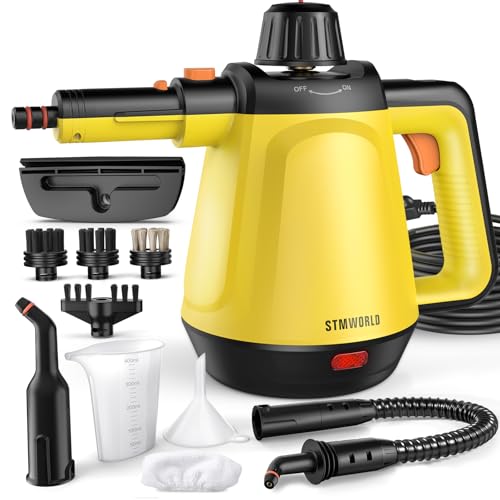
- handheld fabric steamer steam cleaner for mattress
- portable upholstery cleaner steam cleaner for sweat stains on mattress
- mattress stain remover spray enzymatic 24 oz
- HEPA vacuum mattress vacuum cleaner for sweat and dust


Before You Start
Clear the area and remove all bedding. Vacuum the mattress surface to pick up loose dust and skin cells.
Test cleaners on a small, inconspicuous area to ensure no discoloration. Use protective gloves if handling concentrated cleaners. Allow for ample drying time between steps to prevent mold growth.
Time estimate: 60–120 minutes for a thorough clean, plus drying time. If multiple stains exist or you’re tackling a large bed, plan for extra effort.
Step-By-Step: How To Clean A Sweaty Mattress
- Remove all bedding and vacuum the mattress surface with a HEPA vacuum mattress vacuum cleaner for sweat and dust to lift dust and dander.
- Apply a mattress enzyme cleaner spray sweat stain remover to sweat stains, following label directions, and let it sit for 5–10 minutes to break down organic material.
- Gently blot the treated areas with a clean microfiber cloth to lift moisture—avoid scrubbing which can push stains deeper.
- Use a portable upholstery cleaner steam cleaner for sweat stains on mattress to extract moisture and cleaner from the fabric, repeating as needed until the area feels damp but not wet.
- For persistent odors, apply a second dose of enzymatic cleaner, focusing on the center of the stain, then cover with a damp cloth to prevent quick drying.
- Run the handheld fabric steamer steam cleaner for mattress over the surface on a low setting to loosen remaining residues and sanitize the fabric.
- Return the mattress to a dry state by placing it in a well-ventilated area or using fans to accelerate drying. Ensure every layer, including the mattress cover, is fully dry.
- Once dry, vacuum again to remove any loosened particles and reset the surface texture for comfortable sleep.
- Inspect for remaining stains or odors. If needed, repeat the enzymatic cleaner treatment in localized areas and re-dry thoroughly.
- Reassemble bedding and monitor the mattress for future sweating patterns to adjust cleaning frequency.
- Store cleaners with caps tightly closed and label directions clearly for safe future use.
Troubleshooting
| Symptom | Likely Cause | Fix | Prevention |
|---|---|---|---|
| Persistent odor after cleaning | Residual moisture or enzyme activity | Re-dose enzymatic cleaner and ensure complete drying | Ventilate during and after cleaning; use a deodorizing spray designed for mattresses |
| Stains reappearing after drying | Stain trapped deeper in fibers | Repeat enzymatic treatment and a second cleaning pass | Pre-treat promptly; address spills quickly |
| Fabric feels stiff after steaming | Excess moisture or heat damage | Lightly air-dry and avoid high heat | Use lower steam settings and shorter passes |
| Soaked edges near seams | Over-wetting during cleaning | Blot thoroughly and extend drying time | Apply cleaner conservatively along seams |
Common Mistakes
- Over-wetting the mattress during cleaning, which slows drying and promotes mold.
- Using harsh cleaners that can discolor or degrade fabric fibers.
- Skipping drying time, leading to lingering moisture and odors.
- Neglecting to test cleaners on a hidden area before full application.
Avoid these pitfalls by following the step-by-step process and ensuring thorough drying between stages.
Tips For Best Results
- Quicker action on sweat stains reduces set-in odors; treat stains as soon as possible.
- Use a fragrance-free enzymatic cleaner to avoid masking odors with artificial scents.
- Pair cleaning with a mattress protector to reduce future sweat absorption.
- Keep bedroom humidity low to speed up drying and discourage mold growth.
Call A Professional
Consider professional cleaning if the mattress shows widespread staining, persistent odors after repeated cleaning, or if the mattress has a water-damage history. Seek expert help for delicate materials or specialty mattresses.
FAQ
What causes sweat stains on a mattress?
Body oils, perspiration, and skin cells accumulate on the surface, leading to yellowing and odors over time.
Can enzyme cleaners damage mattress fabrics?
Most are safe when used as directed; always test a small area first and avoid saturating the fabric.
Is steam cleaning enough to sanitize a mattress?
Steam helps sanitize and loosen grime, but enzymatic cleaners target organic residues that cause odors and stains.
How long does a mattress take to dry after cleaning?
Drying time varies with room airflow and humidity; typically 2–6 hours, or longer in damp environments.
Buying Guide
When selecting products to clean a sweaty mattress, consider factors such as stain-removal power, fabric compatibility, drying speed, and ease of use. Look for enzymatic cleaners that break down organic material, and choose cleaning tools designed for mattresses and upholstery. A HEPA vacuum helps reduce dust and allergens effectively, while portable steam cleaners can reach into fabric textures without excessive moisture. For households with night sweats or young children, a combination of enzyme cleaners, effective vacuums, and reliable steam tools can provide consistent results. Consider pairing with a mattress protector to minimize future staining and simplify upkeep.