Grout lines can collect grime, mold, and stains over time, especially in bathrooms and kitchens. This guide provides practical, natural methods to refresh grout without harsh chemicals, using common tools and readily available cleaners.
Quick Answer
For fast results, start with a baking soda paste and a natural cleaner, scrub with a grout brush, rinse, and repeat as needed. For tougher stains, apply a steam cleaner or a handheld scrubber rinse to lift grime without chemicals.
What You’ll Need
The following tools and supplies help you tackle grout cleaning with natural methods. Gather these before you begin to keep the process smooth and efficient.
- grout cleaning brush with long handle
- electric grout cleaner steam machine
- handheld power scrubber for grout cleaning
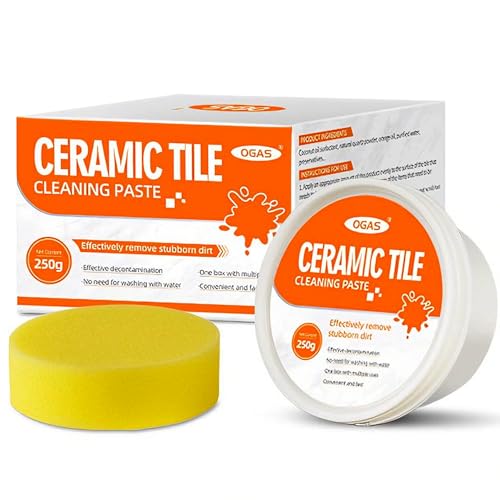
- tile grout cleaning kit baking soda natural cleaner
- grout scrubber set with stiff nylon brushes


Before You Start
Prepare the area by removing nearby items and laying down a protective cover. Ventilate the space to minimize vapor exposure if using steam. Test any cleaner on a small, inconspicuous area first to ensure it won’t discolor grout or tiles. Expect a cleaning session to take 30–60 minutes per area, depending on grout condition. Critical cautions include avoiding bleach on colored grout and never mixing baking soda with acidic cleaners in a confined space.
Step-By-Step: How To Clean Grout Naturally
- Vacuum or sweep the area to remove loose dirt from tile surfaces and grout lines.
- Mix a natural cleaner paste: combine baking soda with a small amount of water until it forms a thick paste.
- Apply the paste directly to grout joints and let it sit for 5–10 minutes to loosen stains.
- scrub with a grout cleaning brush with long handle or a grout scrubber set with stiff nylon brushes to lift embedded grime.
- For tough stains, use an electric grout cleaner steam machine to mist and lift residue from the grout without harsh chemicals.
- Wipe away paste and dirt with a damp cloth, then rinse with clean water to remove any residue.
- If staining persists, reapply the paste and repeat the scrubbing step, then rinse thoroughly.
- Humidity and residue can affect grout color; allow the area to dry completely and inspect for any missed spots.
- Optional: seal grout after it dries to reduce future staining and make maintenance easier.
- For large areas, alternate between manual scrubbing and steam cleaning to optimize results and minimize manual effort.
- Finally, dry the surface with a clean towel to prevent water spots and mold growth.
- Document results and schedule a periodic cleaning routine to keep grout looking fresh.
Troubleshooting
| Symptom | Likely Cause | Fix | Prevention |
|---|---|---|---|
| Persistent dark stains | Embedded mold or mineral deposits | Repeat cleaning with steam or paste; consider a longer dwell time | Regular maintenance and prompt cleanup after spills |
| Streaks after cleaning | Residue from cleaners | Rinse thoroughly with clean water; wipe dry | Use minimal cleaner; fully rinse each pass |
| Bleached or discolored grout | Chemicals on colored grout | Stop using harsh cleaners; switch to baking soda paste | Test cleaners on a hidden area first |
| Grout crumbling after cleaning | Old, weak grout | Repair or regrout damaged sections | Future maintenance and gentle cleaning |
Common Mistakes
- Using acidic cleaners on cement-based grout
- Over-wetting porous grout for extended periods
- Neglecting to dry surfaces after cleaning
- Scrubbing with overly hard brushes on fragile grout
Tips For Best Results
– Work in small sections to maintain moisture balance and prevent grout from drying out prematurely.
– Use a grout cleaning brush with long handle to reach deep joints without kneeling for extended periods.
– A steam cleaner can effectively lift grime, but ensure the device is suitable for tile and grout and follow manufacturer instructions.
– Regular maintenance, such as monthly light cleaning, helps prevent heavy buildup and reduces restoration time.
Call A Professional
Seek professional help if grout is severely cracked, mold has penetrated deep into porous surfaces, or if you notice persistent odors and health concerns. Stop cleaning if you experience skin irritation or respiratory symptoms and consult a pro for safer remediation options.
FAQ
Is baking soda safe for all grout colors?
Yes, baking soda is generally safe, but always test on a small area first to confirm it won’t discolor.
Can I use vinegar to clean grout?
Vinegar is not recommended for cement-based grout and can damage some tiles; use baking soda paste or steam instead.
How often should grout be cleaned naturally?
Light cleaning every 1–2 months helps prevent heavy buildup; deep clean every few months as needed.
Is sealing grout necessary after natural cleaning?
Sealing improves stain resistance and makes future cleanups easier; consider sealing once grout is completely dry.
Buying Guide
When choosing tools and products for natural grout cleaning, consider these factors to balance performance and practicality:
- Size of the tiled area; larger spaces may benefit from steamers or handheld scrubbers to reduce manual effort.
- Noise Level and ease of use; some electric cleaners produce more noise but save time.
- Energy Efficiency for steam machines and electric scrubbers; check energy ratings and usage time per session.
- Controls and ergonomics; a long handle or comfortable grip reduces strain during scrubbing.
- Placement of storage and ease of access to frequently used tools like brushes and paste.
Consumers often compare a grout cleaning kit with baking soda natural cleaner against specialized options like a grout cleaning brush with long handle or an electric grout cleaner steam machine. Evaluate your bathroom or kitchen layout, frequency of cleaning, and comfort with manual vs. powered methods. If grout is heavily stained or moldy, a combination approach—manual scrubbing plus steam—may deliver the best balance of effectiveness and safety.