Febreze is a popular product for neutralizing odors, but there are times when its scent lingers longer than desired. This guide offers practical, field-tested steps to eliminate or reduce the distinctive Febreze smell using common household items and targeted odor-control products. The goal is a fresh, neutral air and fabric environment without relying solely on scented sprays.
By combining ventilation, cleaning, and odor-control tools, homeowners can effectively address odor sources and prevent reoccurrence. The methods below emphasize safe usage, compatibility with fabrics and surfaces, and options for different odor situations.
Quick Answer
Best first steps: boost ventilation, remove the odor source, and use an odor absorber or purifier with activated carbon. For fabrics, consider enzymatic sprays to break down organic odor compounds. If smells persist on carpets or upholstery, repeat treatments and consider a dedicated odor neutralizer spray for textiles and clothing.
What You’ll Need
- Activated charcoal odor absorber bag 300g for room odor
- Enzymatic odor eliminator spray for fabric upholstery
- Air purifier with activated carbon filter for odors
- Baking soda deodorizer for carpets furniture
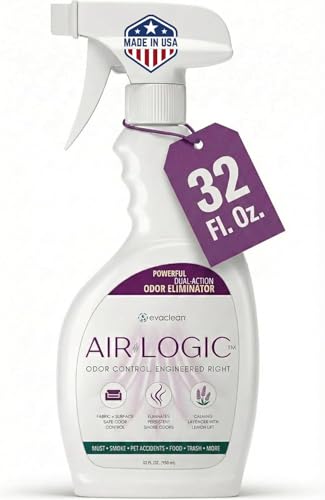
- Professional odor neutralizer spray for textiles and clothing


Before You Start
Assess the odor source: Febreze scents are temporary, but lingering smells may stem from moisture, smoke, pet odor, or spills. Ventilate the area by opening windows and using fans. Remove or launder affected fabrics when possible. Protect eyes and skin when applying sprays, and test a small inconspicuous area first to avoid staining or discoloration. Time estimates vary: a quick refresh might take 15–30 minutes, while persistent odors may require a few hours or multiple treatments.
Step-By-Step: How To Eliminate Febreze Odor
- Open windows and start air flow. Run a fan to push air through the room and reduce the concentration of odor molecules.
- Identify odor sources. Remove contaminated fabrics, trash, or damp items that may be emitting the scent and launder or wash them if possible.
- Place an activated charcoal odor absorber bag in the room. Position it away from direct sunlight and at breathing height for best odor absorption.
- Apply enzymatic odor eliminator spray to fabrics and upholstery. Focus on areas with lingering odor; allow to air dry completely.
- Run an air purifier with an activated carbon filter for odors. Leave the purifier running for several hours or overnight, depending on room size.
- Use a baking soda deodorizer for carpets and furniture. Sprinkle lightly, let sit for 15–30 minutes, then vacuum thoroughly.
- Consider a professional odor neutralizer spray for textiles and clothing for stubborn fabrics. Test first on a hidden area if possible.
- Reassess after a few hours. If odor persists, repeat the steps focusing on any remaining odor hotspots.
- Maintain ongoing odor control by routine cleaning and refreshing air quality with the purifier and absorbers as needed.
- Air out the space and monitor for any residual scent. If the smell returns after routine activities, recheck moisture sources or potential odor contributors.
- For shared or heavily used textiles, consider repeating enzymatic treatment every few weeks as maintenance to prevent buildup.
- Document what worked best for future reference and create a quick odor-control plan for similar spaces.
Troubleshooting
| Symptom | Likely Cause | Fix | Prevention |
|---|---|---|---|
| Odor lingers after using Febreze | Residual odor compounds in fabrics or air | Repeat enzymatic spray on fabrics; run purifier longer | Address source moisture; clean carpets and upholstery regularly |
| Charcoal bag seems ineffective | Insufficient time or fresh odor source | Increase exposure time and place bags closer to odor hotspots | Rotate bags and refresh every 1–3 months |
| Smell returns after a day | Repeated odor sources or high humidity | Find and eliminate moisture sources; use dehumidifier | Regular cleaning and airing |
| Fabric stains after sprays | Sensitive material or over-application | Test on hidden area and reduce application | Choose fabric-safe products; follow label directions |
Common Mistakes
- Over-relying on scented sprays without addressing the odor source.
- Neglecting ventilation, which slows odor removal.
- Applying cleaners to delicate fabrics without testing first.
- Ignoring moisture or humidity that can worsen odors over time.
Careful combination of source control, absorption, and air treatment yields the best results. Don’t skip tests on fabrics or surfaces, and avoid saturating materials with sprays that could cause staining.
Tips For Best Results
- Coordinate treatments: an absorber in the room plus a purifier provides dual-action odor control.
- Target high-odor zones first, such as near HVAC intakes, seating, and carpeting.
- Choose products designed for textiles when odor is fabric-bound, and use activated carbon filters for air purification.
- Maintain consistent air exchange by running the purifier and opening windows regularly during odor-removal efforts.
- Keep surfaces clean: wipe down walls, baseboards, and upholstered frames where odors can cling.
Call A Professional
Consider professional help if:
- The odor persists after multiple treatments and appears to emanate from hidden structural moisture or mold.
- Odors are widespread across multiple rooms and building-wide ventilation does not clear them.
- There is visible mold growth, consistent dampness, or persistent allergic reactions linked to indoor air.
FAQ
Is Febreze odor permanent on fabrics?
Typically not permanent, but it can linger if it is absorbed by fabrics or if moisture and other odors persist.
Can I sleep with an odor absorber bag in the room?
Yes, as long as it is placed safely and not in contact with pets or children, per product guidelines.
Will baking soda damage carpets or furniture?
When used correctly, baking soda is generally safe, but test on a small area first and avoid excessive moisture.
How long should I run an air purifier for odor removal?
Run it for several hours to overnight, depending on room size and odor strength.
Are enzymatic sprays safe for all fabrics?
Most fabrics are compatible, but always test in a hidden area before broad application.
How do I prevent odors from returning?
Address sources, maintain ventilation, and perform periodic cleaning and odor-control refreshers.
Buying Guide
Choosing the right odor-control setup involves several factors. Consider room size to determine the appropriate capacity for an air purifier and the number of odor absorbers needed. Noise level matters for bedrooms and study areas, so look for devices with quiet or night modes. Energy efficiency helps keep ongoing costs down for continuous use. Controls should be simple, with easy timers and filter replacement indicators. Placement matters: position absorbers away from direct sunlight and in areas with the highest odor concentration.
Multiple perspectives help ensure depth: compare devices with activated carbon filters versus advanced enzymatic options for fabrics. Evaluate whether a combined approach (absorber, purifier, and fabric treatment) yields faster relief. For households with sensitive occupants, prioritize low-odor products and surface-safe cleaners. Finally, consider maintenance requirements and replacement part availability to sustain long-term odor control.