Vinatge upholstery adds unique character to a space, but cleaning delicate fabrics requires care. This guide provides practical steps to refresh antique sofas, chairs, and other pieces without damaging historic fabrics or finishes.
By following tested methods and using gentle, appropriate products, homeowners can extend the life of cherished vintage upholstery while maintaining its original charm.
Quick Answer
Identify fabric type, test a hidden area, and use a gentle approach. For most vintage fabrics, start with a steam cleaner for upholstery antique furniture or a upholstery fabric cleaner for vintage sofa antiques on a small, inconspicuous spot. Use a stain remover spray for vintage upholstery fabric only when necessary and always with a patch test. Finish with a upholstery cleaning brush set for antique sofas to lift soil without abrading fibers.
What You’ll Need
- Upholstery fabric cleaner for vintage sofa antiques
- Steam cleaner for upholstery antique furniture
- Stain remover spray for vintage upholstery fabric
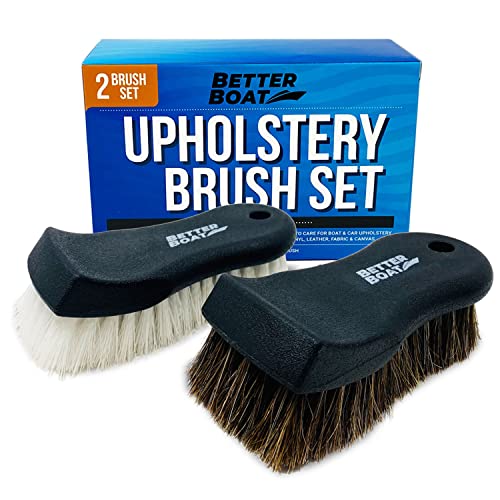
- Upholstery cleaning brush set for antique sofas
- Gentle velvet fabric cleaner for vintage upholstery


Before You Start
Assess the fabric type and dye stability before any cleaning. Avoid aggressive solvents on silk, wool, or velvets that aren’t labeled as safe for spot cleaning. Work in a well-ventilated area and protect surrounding surfaces with old sheets or plastic. Time estimates vary by project size; plan for several breaks to let damp areas dry. Test all products on a hidden seam or underside first to ensure no color bleeding or fiber damage.
Step-By-Step: How To Clean Vintage Upholstery
- Vacuum the surface thoroughly using a soft brush attachment to remove loose dust and debris.
- Perform a color test on a hidden area: apply a small amount of cleaner and blot with a white cloth. Check for color transfer or fiber damage.
- If the fabric is velvety or delicate, use the gentle velvet fabric cleaner for vintage upholstery following product directions for dilution and application.
- For general cleaning, lightly mist the fabric with a prepared upholstery fabric cleaner for vintage sofa antiques, then use the upholstery cleaning brush set for antique sofas to lift dirt in gentle, circular motions.
- Address stains with a targeted stain remover spray for vintage upholstery fabric only after confirming a safe test result. Blot—never rub—to minimize fiber damage.
- Rinse if required by the product instructions, using a clean, damp cloth to remove residues. Avoid soaking fabric; excess moisture can cause mold or backing separation.
- Allow the piece to air dry completely in a well-ventilated room. Use fans to speed drying and keep weight off cushions to prevent misshaping.
- Reassess after drying; if needed, repeat the cleaning cycle on heavily soiled areas with a light touch to prevent over-wetting.
- Reassemble any disassembled cushions and brush the nap in the correct direction to restore pile and even appearance.
- Place the furniture away from direct sunlight and heat sources to prevent fading and fiber damage during drying.
Troubleshooting
| Symptom | Likely Cause | Fix | Prevention |
|---|---|---|---|
| Color bleeding after cleaning | Unstable dye or improper test | Stop cleaning; perform colorfast test again; consider fabric-safe dye fixatives if recommended | Always test in hidden areas first |
| Stiff or crusty fabric after cleaner use | Residue buildup | Wipe with a damp cloth to remove residue; allow thorough air dry | Use minimal cleaner and follow dilution guidelines |
| Fabric fiber damage or thinning | Over-wetting or aggressive brushing | Cease cleaning; let dry completely; consult a professional if damage is visible | Use gentle motions and correct brushes |
| Persistent odor | Moisture retention or mold risk | Increase ventilation; consider enzyme-based cleaners for odors, then rinse and dry | Clean in a dry, climate-controlled area |
Common Mistakes
- Using harsh household cleaners on vintage fabrics
- Rubbing stains aggressively, causing fiber pull
- Over-wetting fabrics, leading to warping or mold
- Neglecting a test spot before full cleaning
- Skipping proper drying time and ventilation
Tips For Best Results
- Work from top to bottom to avoid re-soiling cleaned areas
- Use a soft-bristle brush to lift nap without abrading
- Keep cleaning sessions brief to prevent saturation, especially on antiques
- Store cleaning products in a cool, dry place away from sunlight
- Document fabric care with a care label and maintenance schedule
Call A Professional
Consider a pro if the upholstery is heavily soiled, shredded, or if the fabric is rare or historically significant. Stop cleaning and seek expert assessment if you notice color loss, backing separation, strong odors that persist after drying, or if the piece has visible structural damage. Professional restoration can preserve value and integrity while reducing risk of further harm.
FAQ
Is it safe to clean vintage velvet upholstery at home?
Yes, with a gentle velvet fabric cleaner for vintage upholstery and proper testing. Velvet fibers can crush or snag, so use light pressure and minimal moisture.
How do I test fabric colorfastness?
Apply a small amount of cleaner to a hidden seam, blot with a white cloth, and observe for color transfer over a few minutes.
Can I use a steam cleaner on all vintage fabrics?
Steam can be effective on some fabrics but may cause shrinkage or dye bleeding on others. Always follow product guidelines and test first.
What should I do if staining persists after cleaning?
Repeat the cleaning process with a targeted stain remover spray, or seek professional cleaning for stubborn stains.
Buying Guide
When choosing products for vintage upholstery care, consider size, stain-removal capabilities, fabric compatibility, and ease of use. A multi-tool approach, using a gentle cleaner, a velvet-friendly option, and a dedicated brush set, often yields the best results. Look for products labeled safe for antique fabrics and check for clear dilution and application instructions. Assess the piece’s value and fragility—some fabrics benefit most from professional cleaning rather than DIY approaches. Consider a kit that includes a velvet-safe cleaner, a brush set, and a stain remover designed for fabric upholstery.
Key Buying Factors
- Size and capacity: Choose cleaners and sprays in sizes that fit the cleaning project scope.
- Noise level: Steam cleaners vary; look for models with adjustable settings and low-noise operation for indoor use.
- Energy efficiency: If using steam or heat, select devices with energy-efficient modes and quick heat-up times.
- Controls and indicators: Reliable indicators for water levels, steam pressure, and cleaning cycles help prevent over-wetting.
- Surface compatibility: Confirm compatibility with velvet, wool, silk, or cotton blends typical in vintage pieces.
- Placement and drying: Plan for a well-ventilated area and time to dry; consider a space that allows furniture to sit upright during drying.