Brass items can develop a green patina, known as verdigris, over time due to exposure to moisture and air. While some collectors appreciate the antique look, many homeowners prefer a clean, bright brass finish. This guide walks through safe, effective methods to remove verdigris from brass parts and jewelry using common tools and products available in American households.
Quick Answer
Light Verdigris responds well to specialized paste cleaners or brass polishing compounds applied with a soft cloth. Heavy verdigris often requires a gentle mechanical scrub using a brass brush from a brass cleaning kit, followed by a careful rinse and buffing. For delicate brass jewelry or ornate fittings, consider an ultrasonic cleaner to avoid abrasion. Finish with a protective lacquer to slow future patina formation.
What You’ll Need
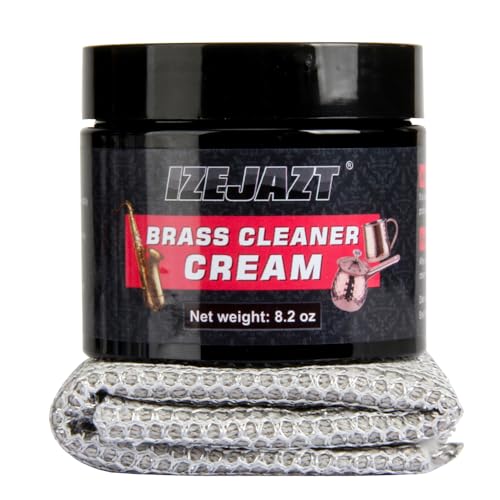
- Verdigris brass cleaner paste for chemical softening of patina
- Brass polishing compound for verdigris removal to buff away residues
- Brass cleaning kit with brass brush and microfiber cloth for scrubbing and drying
- Ultrasonic cleaner for brass jewelry and fittings for delicate pieces
- Protective lacquer for brass to prevent green patina to slow recurrence


Before You Start
Assess each item’s construction and finish. Pure brass tolerates mild abrasives, but plated brass or items with lacquer, enamel, or delicate inlays may be harmed by scrubbing or harsh chemicals. Always test a small, inconspicuous spot first and wear gloves to protect skin from cleaners. Work in a well-ventilated area, especially when using chemical pastes. Plan for a total time of 15–60 minutes depending on patina severity, plus drying time.
Critical cautions: avoid steel wool on brass, which can scratch; never mix cleaners with ammonia or bleach; and do not leave acids on brass longer than recommended by product directions.
Step-By-Step: How To Clean Verdigris From Brass
- Clean the surface with a soft microfiber cloth to remove loose dirt and surface oils.
- Apply a small amount of verdigris brass cleaner paste to a clean cloth and rub gently over affected areas in a circular motion.
- Allow the paste to sit for a few minutes if the patina is stubborn, then buff with a fresh microfiber cloth until the color lightens.
- For deeper verdigris, use the brass polishing compound for verdigris removal on a new cloth, working in small sections until patina diminishes.
- Use the brass cleaning kit with brass brush and microfiber cloth to gently scrub crevices or intricate details. Choose a soft brush to avoid scratching.
- Rinse or wipe away all residues with a damp cloth, then dry thoroughly to prevent water spots and future patina formation.
- If the piece is jewelry or delicate, place it in an ultrasonic cleaner for brass jewelry and fittings with a mild cleaning solution for a gentle deep clean, following the device instructions.
- Once clean, inspect for remaining verdigris. Repeat steps as needed, but avoid over-scrubbing on thin or delicate parts.
- Apply a light coat of protective lacquer for brass to prevent green patina if you want long-term protection; ensure the item is fully dry before applying.
- Allow the lacquer to cure according to product directions, and reassemble or store items in a dry environment to slow patina return.
- Regular maintenance with a soft cloth and avoidance of moisture can extend the shine between cleanings.
Troubleshooting
| Symptom | Likely Cause | Fix | Prevention |
|---|---|---|---|
| Patina returns quickly after cleaning | Excess moisture or contact with acidic substances | Dry thoroughly; store in a dry place; consider a thin lacquer | Keep pieces away from humidity and chemicals |
| Scratches appear after polishing | Brass brush too aggressive or abrasive paste | Switch to a softer brush; use a gentler cloth; reduce pressure | Test in hidden area first |
| Finish dulls after cleaning | Over-application of cleaner or wrong solution | Rinse well and buff with soft cloth | Follow product directions precisely |
| White residue remains after lacquer | Improper curing or incompatible topper | Remove and reapply after proper drying; check compatibility | Choose a lacquer compatible with brass and metal underlayers |
Common Mistakes
- Using harsh abrasives such as steel wool on brass surfaces
- Leaving cleaners on brass longer than recommended
- Discarding protective coatings before ensuring complete dryness
- Ignoring compatibility between cleaners and lacquer coatings
Careful handling and proper product selection help prevent damage while restoring brightness to brass.
Tips For Best Results
- Always work in a well-ventilated area when using chemical pastes or solvents.
- Test cleaners on a hidden area first to avoid damage on visible surfaces.
- Use the ultrasonic cleaner for jewelry or delicate fittings to minimize manual scrubbing.
- Finish with a clear protective lacquer if patina recurrence is a concern.
- Store cleaned brass away from humidity and moisture to maintain shine longer.
Call A Professional
Consider professional help if brass items are heavily corroded, have sentimental or monetary value, or involve complex antique finishes. Seek a restoration expert when patina is integral to the piece or if removing verdigris might impact delicate inlays, plating, or complex engravings. Stop cleaning and consult a pro if the surface shows signs of pitting, flaking, or color irregularities.
FAQ
Can I use everyday dish soap to remove verdigris from brass?
Dish soap can help remove surface oils, but it is not a verdigris remover. Use dedicated cleaners for patina and follow with a gentle buffing.
Is verdigris harmful to skin or health?
Verdigris itself is not typically hazardous in household cleaning, but avoid inhaling dust and use gloves when handling cleaners.
Will lacquering stop verdigris from forming?
Yes, a protective lacquer slows patina formation but does not stop it entirely; periodic maintenance may still be needed.
Is ultrasonic cleaning safe for all brass items?
Ultrasonic cleaning is safe for most brass jewelry and fittings but avoid for items with fragile enamel or delicate finishes.
How can I prevent verdigris on outdoor brass fixtures?
Protective coatings and regular cleaning reduce patina; ensure proper drainage and consider weather-resistant finishes.
Buying Guide
When choosing products to remove verdigris from brass, consider size, finish, and where the piece will be used. For small jewelry or intricate fittings, an ultrasonic cleaner paired with a gentle brass cleaner is advantageous. Large outdoor fixtures benefit from a cleaner paste and a durable protective lacquer. Noise level and energy usage are typically low for consumer ultrasonic devices and polishing compounds. Look for multi-pack options to try a few methods and compare results. Consider whether you need a quick touch-up kit or a full restoration setup with a brass brush, microfiber cloth, and protective coating. Finally, verify compatibility with any existing finishes or coatings on the brass item to avoid damage. By balancing effectiveness, safety, and maintenance needs, you can choose the right kit or combination of products to keep brass looking bright and resilient.