Oven glass can accumulate baked-on grease and steam deposits, making it look cloudy and dull. Vinegar offers a minimal-effort, non-toxic cleaning option that breaks down grease without harsh chemicals. This guide outlines a practical method to restore clarity while using common tools found in most kitchens.
Whether you are preparing to bake or simply refreshing the oven doors after heavy use, the steps below provide a safe, effective approach to clean oven glass with vinegar and household supplies.
Quick Answer
Quick Action: Mix equal parts distilled white vinegar and water in a spray bottle, apply to the glass, let sit for a few minutes, then scrub with a non-scratch pad and wipe clean with a microfiber cloth. For stubborn stains, use a glass scraper gently and reapply vinegar solution.
What You’ll Need
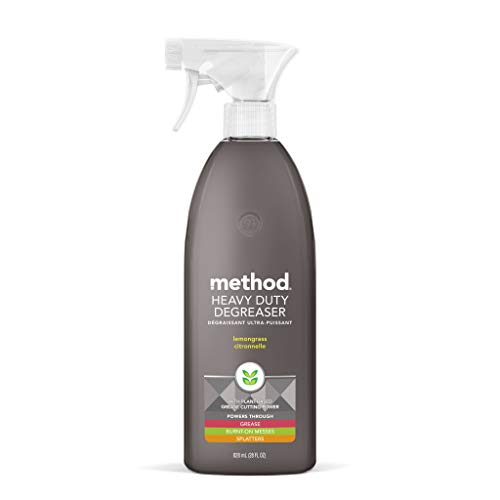
- Oven door glass cleaner spray bottle
- Microfiber cloth for oven glass cleaning
- Glasses scraper for oven cleanup
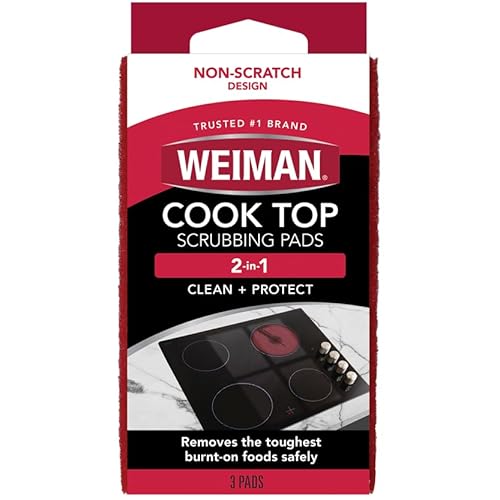
- Non-scratch nylon scrub pad oven glass
- Spray bottle for vinegar cleaning oven glass

Before You Start
Before cleaning, ensure the oven is completely cool and unplugged if possible. Open the door slowly to prevent steam burns. Work in a well-ventilated area and wear gloves if you have sensitive skin. For delicate or heat-tolerant finishes, test vinegar on a small inconspicuous area first. Expect this task to take about 15–30 minutes depending on grime level. Critical cautions: never mix vinegar with bleach or ammonia, and avoid abrasive tools that could scratch the glass.
Step-By-Step: How To Clean Oven Glass With Vinegar
- Remove loose debris from the oven door using a dry microfiber cloth.
- Fill the spray bottle with a 1:1 solution of distilled white vinegar and water.
- Spray the solution generously onto the glass, focusing on greasy areas and spots with baked-on residue.
- Let the vinegar solution sit for 2–3 minutes to break down grease.
- Use a non-scratch nylon scrub pad to gently scrub the glass in circular motions, applying light pressure.
- Wipe away loosened grime with a microfiber cloth, renewing the cloth as it becomes dirty.
- For stubborn stains, spray again and use a glass scraper for edge areas, working slowly to avoid scratches.
- Rinse with a fresh vinegar solution or plain water and wipe clean with a dry microfiber cloth.
- Inspect the glass from different angles; repeat treatment on any remaining haze or smudges.
Troubleshooting
| Symptom | Likely Cause | Fix | Prevention |
|---|---|---|---|
| Cloudy or streaky glass after cleaning | Residue from cleaners or water spots | Wipe with a fresh microfiber cloth dampened with vinegar, then dry completely | Wipe in a consistent direction; rinse cloth often |
| Stubborn brown or black buildup | Baked-on grease | Apply vinegar spray, let sit longer, and scrub with nylon pad | Regular cleaning after heavy use to prevent buildup |
| Scratches appear on glass surface | Use of abrasive tools | Switch to non-scratch pads and avoid metal scrapers | Always test on a small area first |
| Glass feels slimy after cleaning | Over-wetting or soap residue | Rinse with plain water and dry | Rinse thoroughly and dry after each pass |
Common Mistakes
- Using abrasive pads or steel wool on oven glass; it can scratch the surface.
- Leaving vinegar residues by not fully rinsing and drying the glass.
- Applying cleaner while the oven is still warm or hot, which can vaporize liquid unpredictably.
- Neglecting the edges and seals where grime tends to accumulate.
Tips For Best Results
- Use a dedicated spray bottle labeled for vinegar cleaning to avoid cross-contamination with other cleaners.
- For very stubborn stains, apply a paste of baking soda and a small amount of water after vinegar, then scrub lightly and rinse.
- Warm water rinse helps remove oily residues; avoid high heat while cleaning.
- Keep a spare microfiber cloth on hand to prevent transferring grease back onto the glass.
Call A Professional
Seek professional help if the oven glass is severely etched, cracked, or deeply pitted, or if cleaning requires disassembly beyond basic access. Stop cleaning and contact a technician if you notice heat damage, glazing, or if the glass integrity is in doubt. Do not attempt to replace or alter oven glass components without proper guidance.
FAQ
Can vinegar damage oven glass?
No, when used properly and diluted with water, vinegar is safe for oven glass and helps dissolve grease without harsh chemicals.
Is it safe to use a glass scraper on oven doors?
Yes, with a plastic or metal scraper designed for glass, but use gentle pressure to avoid scratching the surface.
How long should vinegar sit on grease before scrubbing?
Typically 2–3 minutes is enough; longer contact can improve results on stubborn stains.
Can I use heat-assisted cleaning to speed up the process?
Avoid applying heat during cleaning; let the oven cool completely to prevent steam burns and chemical reactions.
Buying Guide
When choosing products to support cleaning oven glass with vinegar, consider these factors:
- <bSize and form: A spray bottle is essential for even application; choose a bottle with a comfortable trigger.
- <bNoise level (for spray and suction tools, if used): Opt for quiet, handheld options when possible.
- <bEnergy efficiency is not a direct factor here, but selecting reusable tools reduces waste and cost over time.
- <bControls: Simple, easy-to-use spray bottles and ergonomic scrubbing tools improve efficiency.
- <bPlacement: Keep supplies within easy reach near the cleaning area to minimize setup time.
For best results, aim for a compact kit that includes a dedicated vinegar spray bottle, microfiber cloths, and a non-scratch scrub pad. If stubborn grime is common in your kitchen, a glass scraper can help, but reserve it for edges and baked-on spots to avoid scratching the glass.