Grease buildup is common in kitchens, grills, and even garage spaces. This guide provides practical steps to remove greasy residues from various surfaces using safe products and common tools. Readers will learn a structured approach that works for cabinets, appliances, and more, with tips to prevent future buildup.
Quick Answer
Start with a versatile degreaser spray for the affected surface, then use a stiff-bristle brush to lift stubborn grease. For tough jobs, a steam cleaner or a heavy-duty degreaser spray can speed up the process. Always test a small hidden area first and follow the product directions.
What You’ll Need
- Kitchen degreaser spray for cabinets stainless steel
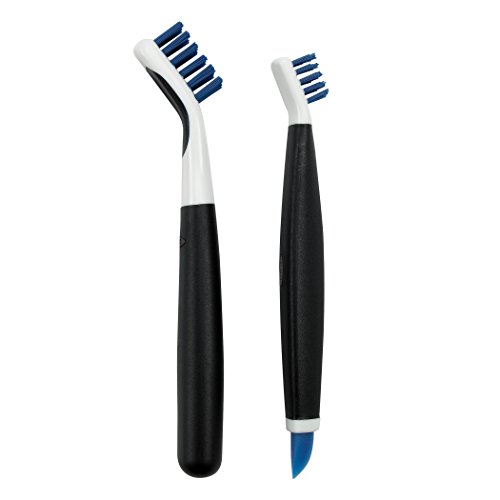
- Stiff-bristle scrub brush grease cleaning set
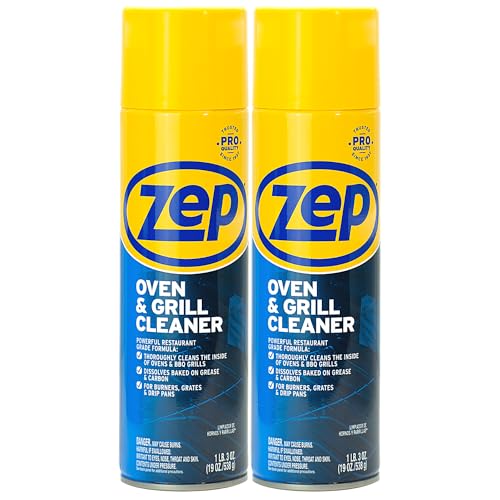
- Heavy-duty degreaser spray for grills ovens commercial
- Steam cleaner for grease removal home use
- Engine degreaser spray automotive degreasing kit

Before You Start
Clear the area and protect nearby surfaces with drop cloths or old towels. Ventilate well if using strong degreasers. Read product labels for safety instructions and avoid mixing cleaners unless explicitly allowed. For delicate finishes like brushed stainless steel, test in an inconspicuous spot before full application. Avoid contact with skin and eyes; wear gloves and eye protection. Prepare a warm water rinse station and have clean cloths ready. Time estimate for a typical cleaning session ranges from 20 minutes to over an hour depending on the area size.
Step-By-Step: How To Clean Grease Effectively
- Identify the surface type and select a suitable cleaner from the list above based on material and grime level.
- Apply the degreaser evenly to the greasy area and let it sit for 1–5 minutes to loosen the film.
- For cabinets and metal shelves, use a stiff-bristle brush to agitate the grease in small circular motions.
- Wipe away using a clean microfiber cloth, turning the cloth to a fresh side as it picks up residue.
- For stubborn spots, reapply and use a steam cleaner at a safe distance to lift embedded grease without excessive scrubbing.
- Rinse the surface with clean water or a damp cloth to remove cleaner residues, then dry completely to prevent streaks.
- Inspect the area and repeat a light cleaning if any remaining film is visible.
- Finish with a maintenance wipe using a light coating of approved surface protector if recommended by the cleaner manufacturer.
Troubleshooting
| Symptom | Likely Cause | Fix | Prevention |
|---|---|---|---|
| Streaks after cleaning | Residual cleaner or water film | Wipe with a dry microfiber and buff gently | Rinse thoroughly, dry promptly |
| Grease returns quickly | Surface porous or oily coating | Reapply cleaner and seal with protective product if approved | Regular maintenance wiping |
| Cleaner not lifting grease | Too old or incompatible cleaner | Switch to a more potent degreaser or steam method | Test compatibility first |
| Surface discoloration | Aggressive cleaner on sensitive finish | Switch to gentler formula and test first | Spot test before full use |
Common Mistakes
- Using abrasive tools on delicate surfaces that scratch finishes
- Letting degreasers sit too long and causing residue buildup
- Mixing cleaners without checking compatibility
- Neglecting to protect surrounding areas during the cleaning process
Avoid these missteps by selecting the right cleaner for the surface, agitating appropriate amounts, and finishing with thorough rinsing and drying.
Tips For Best Results
- Pre-treat highly greasy zones with a dedicated degreaser spray before scrubbing
- For kitchen cabinets, avoid excessive moisture that can warp wood or warp coatings
- Use a steam cleaner for baked-on grease on grills and ovens, keeping the nozzle at a safe distance
- Wipe from top to bottom to prevent re-depositing grease on cleaned areas
- Choose tools that match the surface texture; a stiff-bristle brush is effective on metal and enamel
Call A Professional
Consider professional help if grease is deeply ingrained in large commercial kitchens, surrounding infrastructure, or hard to reach areas. Stop signs for professional intervention include persistent grease despite multiple cleaning attempts, signs of corrosion, or sensor/electrical components affected by cleaning liquids. A licensed technician can assess risks and provide safe removal without material damage.
FAQ
What is the simplest way to remove kitchen grease?
Begin with a versatile degreaser spray targeted at the surface, then scrub with a stiff-bristle brush and wipe away with a clean cloth.
Can steam cleaning damage surfaces?
Steam cleaning is generally safe for many surfaces when used with care and at appropriate temperatures; always test first and follow product guidelines.
Are engine degreasers safe for home use?
Engine degreasers are formulated for automotive parts; they can be effective but require caution and proper dilution for household surfaces and ventilation.
How often should grease be cleaned in a kitchen?
Regular maintenance is recommended; wipe down surfaces daily and perform a deeper clean weekly or after heavy cooking sessions.
What surfaces should I avoid with strong degreasers?
Avoid porous wood finishes, certain plastics, and delicate coatings; always test a small area first.
Do I need to rinse after using degreasers?
Yes, rinse or wipe off residues to prevent streaking and potential surface damage.
Buying Guide
When selecting cleaning products and tools for grease removal, consider several factors to ensure effective results and surface safety. Size and storage space, noise level of equipment, energy efficiency, control intensity, and placement all influence long term satisfaction.
Surface compatibility is essential. For cabinets, stainless steel finishes and enamel coatings respond well to gentle yet effective degreasers. Heavily soiled grills and ovens may benefit from heavy-duty sprays or steam assisted methods. For automotive degreasing, indoor use may be restricted to well ventilated areas; use only on compatible surfaces.
Control options and application method matter. Sprays offer precision with less mess, while brushes provide thorough agitation for stubborn grime. Steam cleaners blend cleaning power with residue-free results, though may require longer processing time and setup.
Height and reach influence ease of use. Compact steamer devices fit tight spaces whereas larger units cover bigger surface areas efficiently. Noise and odor considerations can affect comfort in home environments, particularly in open kitchens or apartments.
Placement and storage are practical factors. Keep cleaners away from children and pets, store upright, and label each product clearly to avoid accidental mix ups. Consider a plan for routine maintenance cleaning to reduce heavy buildup over time.