Wood paneling adds warmth and character to many homes, but keeping it clean without damaging the finish can be tricky. This guide covers practical, safe methods for cleaning wood paneling, including polyurethane-finished surfaces, with step-by-step instructions and troubleshooting tips tailored for American homes.
Quick Answer
Use a gentle wood paneling cleaner spray safe for polyurethane finishes and a soft cloth or microfiber pad to wipe surfaces. For stubborn grime, a soft nylon bristle brush can help without scratching. Finish with a dedicated wood paneling conditioner polish kit or a lint-free microfiber polishing cloth to restore luster.
What You’ll Need
- Wood paneling cleaner spray safe for polyurethane finish
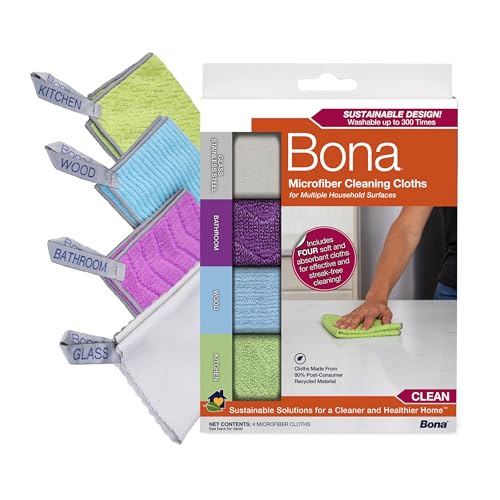
- Microfiber dusting cloth for wood paneling cleaning
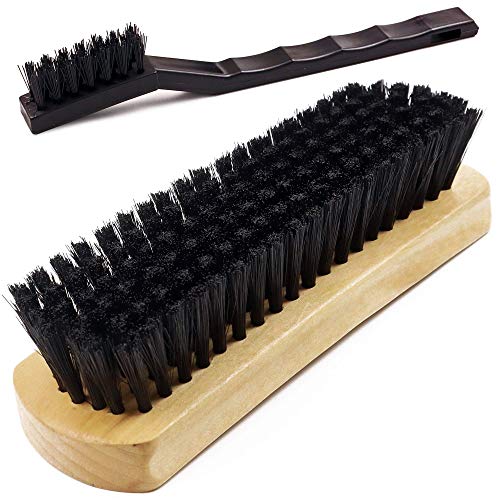
- Soft nylon bristle brush for cleaning wood paneling
- Wood paneling conditioner polish kit
- Lint-free microfiber polishing cloth for wood paneling

Before You Start
Prepare the room by removing decorative items and drapes, and protect the floor with a drop cloth. Test cleaners in an inconspicuous area for indirect finish impact. Work in a well-ventilated space and avoid oversaturation, which can seep into joints and warp panels. Time estimate: 30–60 minutes for a standard living room wall, longer for large spaces or heavy grime. Never spray cleaner directly onto edges or seams; apply to the cloth first.
Step-By-Step: How To Clean Wood Paneling
- Dust the entire surface with a microfiber dusting cloth for wood paneling cleaning, moving along the grain to lift loose dust before wet cleaning.
- Lightly moisten a clean microfiber cloth with a wood paneling cleaner spray safe for polyurethane finish and wipe the paneling in sections.
- If grout-like grime or fingerprints remain, use a soft nylon bristle brush for cleaning wood paneling gently on textured areas, avoiding excessive pressure.
- Wipe away any cleaner residue with a dry microfiber cloth, ensuring panels aren’t left damp.
- For dull spots, apply a small amount of the wood paneling conditioner polish kit according to the package directions, usually to a clean cloth rather than directly on the wood.
- Buff with a lint-free microfiber polishing cloth for wood paneling to restore shine without leaving lint behind.
- Inspect for remaining streaks or spots; repeat cleaning on stubborn areas if necessary, always drying thoroughly after each pass.
- Optional final check: run a dry cloth over edges and trim to remove any residual moisture and luster inconsistencies.
- Ventilate the room while the finish cures, and reassemble items once panels are completely dry.
- Store cleaning supplies in a cool, dry place away from direct sunlight to prevent product degradation.
Troubleshooting
| Symptom | Likely Cause | Fix | Prevention |
|---|---|---|---|
| Streaks after cleaning | Residual cleaner or water spots | Wipe with a dry microfiber cloth; buff lightly | Use minimal cleaner, and never soak panels |
| Cloudy or tacky finish | Over-application of conditioner | Remove excess with a clean cloth and re-polish with a dry cloth | Follow product directions precisely |
| Scratches appear after cleaning | Scratches from abrasive cloth or brush | Switch to gentler microfiber and avoid hard brushes | Avoid rubbing in circular motions on flat finishes |
| Color appears uneven | Uneven application of cleaner or conditioner | Apply evenly in sections and buff | Test on a small area first |
Common Mistakes
- Using ammonia- or bleach-based cleaners on polyurethane finishes
- Soaking panels with liquids or letting runs form along seams
- Using rough brushes or abrasive pads on polished surfaces
- Skipping a test patch before full-room use
Tips For Best Results
- Dust regularly with a microfiber cloth to reduce the need for deep cleaning.
- Keep cleaners in spray bottles to control application and minimize overspray.
- Wipe with the grain to maintain an even appearance and reduce streaks.
- Follow the conditioner kit instructions for the optimal restoration of luster and protection.
- For high-gloss finishes, a dedicated polishing cloth helps minimize haze after cleaning.
Call A Professional
Consider a professional if paneling shows deep scratches, water damage, or if the finish has significantly dulled or separated. Stop signs include peeling coating, warped panels, or persistent staining despite multiple cleaning attempts. A licensed handyman or wood finishing expert can assess the need for refinishing or resealing and advise on compatible products to protect polyurethane finishes.
FAQ
Is it safe to use commercial wood cleaner on polyurethane finishes?
Yes, when the product is labeled safe for polyurethane and used as directed on a small area first.
How often should wood paneling be cleaned?
Dust weekly and clean more thoroughly every few months or when visible grime accumulates.
Can I use regular furniture polish on wall paneling?
Prefer a dedicated wood paneling conditioner polish kit designed for wall surfaces to avoid residue buildup.
What if water damage occurs after cleaning?
Dry the area immediately and consult a professional if swelling or warping appears.
Do I need to seal paneling after cleaning?
Most finished panels with polyurethane do not require resealing after routine cleaning unless advised by the product guidelines or a professional.
Buying Guide
Choosing the right cleaning and maintenance products for wood paneling involves several factors. Consider the size of the area to clean, the type of finish, noise level from tools if you plan to use a powered brush, and energy efficiency of any heating or conditioning devices used in the process. Look for a wood paneling cleaner spray safe for polyurethane finish that is gentle yet effective, and pair it with a microfiber dusting cloth for wood paneling cleaning for routine dust control. A soft nylon bristle brush for cleaning wood paneling can help with textured panels, but use it carefully to avoid scratches. For restoration, a wood paneling conditioner polish kit helps replenish the finish, followed by a lint-free microfiber polishing cloth for wood paneling to achieve a uniform shine. When evaluating options, compare product sizes, application methods, and compatibility with existing finishes. Consider storage and ease of use, as well as the availability of bundled kits that combine cleaners, conditioners, and polishing cloths for a seamless maintenance routine. If the paneling includes elevated or hard-to-reach areas, assess whether a long-handled tool or step stool is necessary to maintain good ergonomics and safety during cleaning.