Mold on clothing can be stubborn, especially when it stains fabrics or hides in seams and folds. This guide provides practical, step-by-step methods using common household products to safely remove mold from clothes and prevent recurrence.
Following best practices helps protect fabric, preserve color, and keep your wardrobe fresh. The focus is on accessible solutions you can apply at home in a timely fashion.
Quick Answer
Act quickly: isolate the affected items, pre-treat with a dedicated mold stain remover spray for clothes, use oxygen bleach powder for whites, and finish with a fabric sanitizer spray or laundry sanitizer with enzyme to inhibit regrowth. For deep-set stains, a portable garment steamer can help loosen mold from fibers, followed by thorough washing. If odor or mold persists after initial treatment, repeat steps or consider professional evaluation for heavily contaminated fabrics.
What You’ll Need
- mold stain remover spray for clothes
- oxygen bleach powder for mold removal on whites
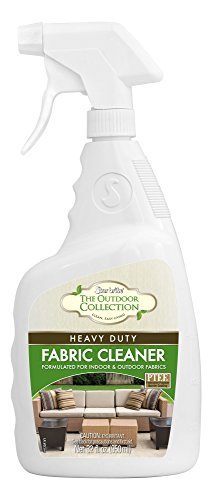
- fabric sanitizer spray for mold stains clothes
- portable garment steamer for mold removal on fabric
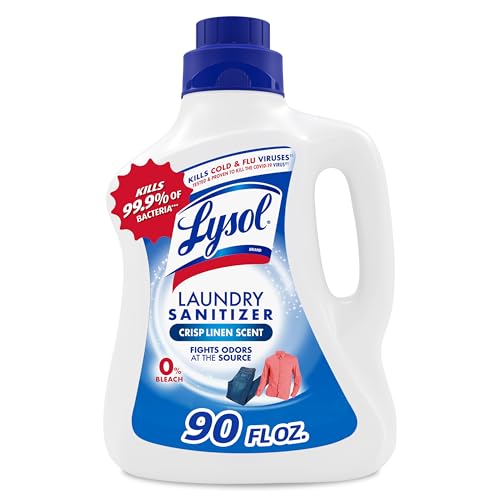
- laundry sanitizer with enzyme for mold control clothes

Before You Start
Assess fabrics for colorfastness and fiber type. Test cleaners on inconspicuous areas first to avoid discoloration. Work in a well-ventilated area to minimize inhalation of mold spores. Wear gloves and a mask if mold coverage is substantial. Plan enough time for treatment to air-dry fully between steps, especially for items that cannot be machine washed immediately. Important: never mix bleach with ammonia or other cleaners, and avoid heat on fabrics treated for mold without proper rinsing, as heat can set stains or odors.
Step-By-Step: How To Remove Mold From Clothes
- Isolate contaminated items to prevent cross-contamination with clean laundry.
- Apply mold stain remover spray for clothes directly to visible mold spots and let it sit for the product’s recommended contact time.
- For white fabrics, create a treatment solution using oxygen bleach powder for mold removal on whites according to package directions, then apply gently with a soft brush.
- Gently scrub affected areas with a soft-bristled brush to lift mold biofilm, avoiding aggressive scrubbing that could damage fibers.
- Rinse or launder the item according to fabric care labels. Use an appropriate wash cycle and water temperature; for whites, consider an extra rinse to remove residue.
- After washing, apply fabric sanitizer spray for mold stains clothes or laundry sanitizer with enzyme for mold control clothes to help inhibit regrowth and neutralize odors.
- For stubborn or delicate fabrics, use a portable garment steamer for mold removal on fabric to loosen mold spores before repeating a wash, then air-dry completely.
- Inspect the item after drying. If any odor or visible stains remain, repeat steps 2–7 or consider replacing severely affected pieces.
- Store cleaned garments in a dry, well-ventilated area to prevent future mold growth; consider using moisture absorbers in closets.
- Document the steps you took for future reference, especially on fabrics prone to moisture issues.
- If mold recurs after repeated treatment, isolate the item, rewash with a higher deodorizing or sanitizing cycle, and evaluate occupational or environmental moisture sources in your home.
Troubleshooting
| Symptom | Likely Cause | Fix | Prevention |
|---|---|---|---|
| Persistent odor after washing | Residual mold or humidity in the fabric | Rewash with enzyme-based sanitizer; add a second rinse | Ensure complete drying in a warm, ventilated area |
| Staining on colored fabrics | Bleach used improperly on non-white fabrics | Skip bleach on colors; use color-safe mold removers | Test in inconspicuous area first |
| Fabric weakened or frayed | Overly aggressive scrubbing or repeated treatments | Limit mechanical action; switch to gentler fabric-safe cleaners | Follow care labels and avoid over-wetting |
| Regrowth after treatment | Moist environment or improper drying | Increase airflow, use desiccants, re-treat if needed | Store in dry areas; fix moisture sources |
Common Mistakes
- Using hot water on delicate fabrics before confirming colorfastness, which can set stains.
- Relying on a single treatment; mold can hide in seams and folds requiring repeat cleaning.
- Overlooking drying time; damp clothes left indoors promote recurrence.
- Mixing cleaners improperly, especially bleach with ammonia or vinegar, which can create dangerous fumes.
Tips For Best Results
- Address moisture sources in closets and laundry rooms to prevent mold growth.
- Pair mold removal with odor control to achieve long-lasting freshness.
- Use enzyme-based laundry sanitizers on fabrics that tolerate enzymes well, to break down organic residues that feed mold.
- Before storage, ensure garments are fully dry and consider silica gel packs or other desiccants in storage spaces.
- Rotate bright whites and color-safe items to avoid prolonged moisture exposure in dark closets.
Call A Professional
Seek professional help if mold covers large areas, involves upholstery or structured garments, or if repeated at-home treatments fail. If you notice persistent musty odors despite cleaning, or if mold affects health-sensitive individuals, contact a mold remediation specialist or a healthcare professional for guidance. Do not ignore potential environmental mold sources in your home.
FAQ
Can I use bleach to remove mold on clothes?
Yes, but only on colorfast white fabrics according to label directions and with proper ventilation. Assume bleach is not suitable for all fabrics.
Will mold on clothes come back after washing?
It can return if moisture and humidity aren’t controlled in storage areas. Ensure complete drying and consider deodorizing steps.
Is it safe to use a fabric steamer on moldy clothes?
Steaming can help loosen mold spores and odors, but it should be used after pre-treatment and followed by washing and thorough drying.
What fabrics are most susceptible to mold?
Natural fibers like cotton, linen, wool, and blends with poor ventilation are more prone to mold growth when exposed to moisture.
Buying Guide
When choosing products to combat mold on clothes, consider size, concentration, and compatibility with fabric types. Look for mold stain removers that specify fabric-safe formulations and color-safe options. Oxygen bleach powder is effective for whites but should be avoided on colored fabrics. A fabric sanitizer spray with enzyme can help break down organic residues that feed mold, while a portable garment steamer provides a chemical-free aid to loosen spores in delicate fabrics. For ongoing protection, select a laundry sanitizer with enzyme designed for garment care and a scent-free or low-irritant option if household sensitivities exist.
Key buying factors include:
- Size and concentration of stain removers for frequent use
- Effectiveness on whites versus colors
- Compatibility with fabric types (cotton, synthetics, delicates)
- Safety features and labeling for household use
- Ease of use and drying time
- Storage requirements and packaging sturdiness
Would you rather stick to a simple, consolidated kit or mix-and-match products for targeted needs? Consider your closet environment, laundry routine, and the typical level of moisture in your home when choosing the best combination of products to keep clothes mold-free.