Faux leather chairs offer a stylish look with easier maintenance than genuine leather, but routine care is still essential to preserve color, texture, and comfort. The right cleaning routine helps prevent cracking, stains, and dull finishes while extending the life of your seating.
This guide lays out practical steps for American households, using common cleaners and tools to keep faux leather chairs looking fresh and inviting.
Quick Answer
For most spills and everyday dirt, wipe with a damp microfiber cloth, then dry. Use a mild soap solution for sticky grime, followed by a dedicated faux leather conditioner to restore suppleness. Avoid harsh chemicals, heat sources, and excessive moisture to prevent damage.
What You’ll Need
- faux leather chair cleaning kit microfiber cloths
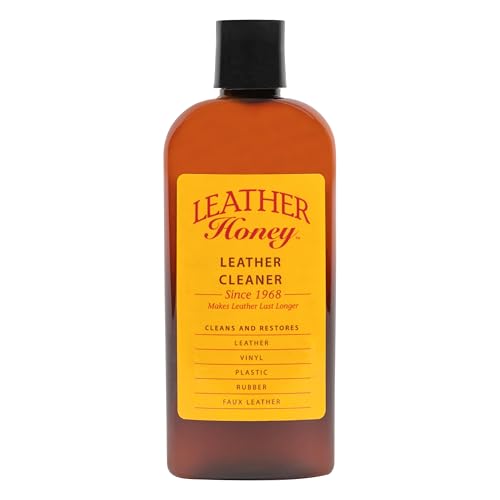
- leather upholstery cleaning spray for faux leather chairs
- microfiber cloths for faux leather cleaning set
- faux leather conditioner and cleaner kit
- upholstery cleaning brush set for faux leather chairs


Before You Start
Inspect the chair for loose seams or cracks and avoid cleaning damaged areas without repair. Test any cleaner on a hidden area first to check for color transfer or texture change. Protect surrounding floors with a towel, and work in a well-ventilated space. Estimated prep time: 5–10 minutes; cleaning time varies by chair size and stain severity. Do not use abrasive brushes or solvents that can dry out or strip the finish.
Step-By-Step: How To Clean Faux Leather Chairs
- Remove loose debris with a dry microfiber cloth.
- Dampen a microfiber cloth with clean water; wipe the surface to remove surface grime.
- Apply a small amount of mild soap or the recommended faux leather cleaner to a cloth and gently wipe in circular motions.
- Rinse the cloth and wipe away any soap residue to prevent streaks.
- Dry the area with a clean, dry microfiber cloth to prevent moisture damage.
- Apply a faux leather conditioner according to the product instructions to restore softness and protect the finish.
- For stubborn spots, use an upholstery cleaning brush set with gentle bristles to lift grime without scratching.
- Allow the chair to air-dry completely before use; avoid direct heat sources during drying.
Troubleshooting
| Symptom | Likely Cause | Fix | Prevention |
|---|---|---|---|
| Streaks after cleaning | Residue from cleaner | Wipe with a damp cloth and dry thoroughly | Test cleaner on hidden area first; use minimal product |
| Sticky feel | Soap residue | Rinse with a damp cloth and dry | Use a small amount of cleaner |
| Color fading | Harsh chemicals or sun exposure | Switch cleaners; shield from sunlight | Use UV-protective covers; rotate cushions |
| Cracking or peeling | Over-drying or inappropriate conditioner | Stop using that product; consult guide for compatible products | Follow conditioner directions precisely |
Common Mistakes
- Using ammonia- or bleach-based cleaners on faux leather
- Over-wetting the surface or spraying cleaner directly onto fabric
- Skipping a patch test before full cleanup
- Using hard brushes that scratch the finish
Tips For Best Results
- Wipe spills immediately to prevent staining and odor buildup.
- Schedule a quarterly clean and conditioning routine for longevity.
- Choose cleaners labeled safe for faux leather and follow the manufacturer’s directions.
- Rotate cushions and rearrange furniture to even out wear
Call A Professional
Consider a professional if the chair has extensive staining, persistent odors, or damage to seams and coatings. Stop DIY cleaning if there is visible cracking, peeling, or color loss after attempts to clean or condition. In these cases, consult an upholstery specialist or the chair’s manufacturer.
FAQ
Can I use household dish soap to clean faux leather?
Yes, a mild dish soap diluted in water can work for light cleaning, but use sparingly and rinse well to avoid residue.
Is it safe to use conditioner on all faux leather finishes?
Most faux leathers benefit from conditioning, but check the product label for compatibility with your specific material.
How often should I clean faux leather chairs?
Light cleaning weekly or after spills; a deeper clean every 3–6 months, depending on use and environment.
Will cleaning damage the color or texture?
When using approved products and following directions, cleaning should preserve color and texture; always patch-test first.
What is the best way to remove ink or dye stains?
Gently blot with a cleaner designed for faux leather and avoid rubbing; consult stain-specific guides if needed.
Can I machine wash microfiber cloths used for cleaning?
Yes, wash microfiber cloths separately in warm water and avoid fabric softeners that reduce effectiveness.
Should I apply conditioner after every cleaning?
Conditioning every few months helps maintain suppleness; do not over-condition.
Buying Guide
When selecting products to care for faux leather chairs, buyers should consider size and layout of the space, noise considerations for any cleaning gear, energy efficiency of powered tools, and how controls are accessed during cleaning. Important factors include:
- Size and fit: Choose tools and cleaners that fit the chair dimensions and reach tight spots without over-wetting.
- Noise levels: Some electric brushes can be loud; look for quiet operation if used in living spaces.
- Energy efficiency: Low-power cleaning devices or manual methods reduce energy use.
- Controls and usability: Simple spray bottles and easy-grip cloths improve cleaning efficiency.
- Placement considerations: Store kits in a dry, cool area away from heat sources to maintain product integrity.
- Compatibility: Verify that cleaners and conditioners are labeled for faux leather to avoid damage.
- Maintenance frequency: Regularly replacing cloths and inspecting brushes extends tool life.
For most households, a simple kit with microfiber cloths, a faux leather cleaner, a dedicated conditioner, and a soft-bristle brush covers daily needs. If spotting persistent stains or odor, a targeted upholstery spray and stronger cleaning solutions may be beneficial, but always follow label directions and patch-test first. Would you prefer a compact kit for apartment living or a full-service option for larger homes?