Clean horse tack protects leather, extends its life, and keeps gear comfortable for both horse and rider. A regular cleaning routine makes bridles, saddles, and accessories look and perform their best, especially after workouts or rides in damp or dusty conditions. This guide offers a clear, step-by-step method using common leather care products and tools.
Quick Answer
For most leather tack, wipe away dirt, apply saddle soap, brush off residue, condition, and waterproof if needed. Use a dedicated tack cleaning kit and follow each product’s instructions for best results. Let leather dry fully between steps to avoid stiffness or cracking.
What You’ll Need
Gather these tools and products to clean most leather tack effectively:
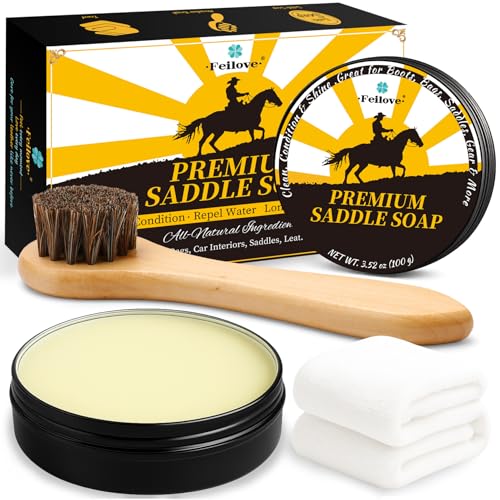
- saddle soap kit for leather tack cleaning — gentle cleaning and conditioning in one
- horse tack cleaning brush set — soft bristles to lift dirt without scratching
- leather conditioner for saddles and bridles — restores suppleness after cleaning
- tack cleaning sponge and brush kit — versatile cleaning and scrubbing options
- waterproofing spray for leather tack — adds water resistance after conditioning


Before You Start
Before cleaning, prepare a clean workspace, lay down a towel, and remove hardware that can be damaged by water. Dry leather cleans best when done in a moderate, shaded area. Safety note: avoid soaking leather or using harsh chemicals, which can dry out and crack the stitching. Work in a well-ventilated area and follow all product labels. A typical cleaning session for a saddle and bridle may take 20–40 minutes, depending on condition.
Step-By-Step: How To Clean Horse Tack
- .Inspect the tack for loose stitching, cracks, or stiff areas before cleaning. Set aside any pieces needing repair.
- .Remove dust and loose dirt with a soft brush from all leather surfaces, including under flaps and inside billets.
- .Prepare cleaning solution as directed by your saddle soap kit for leather tack cleaning. Use a small amount on a damp sponge.
- .Clean leather surfaces with gentle, circular motions on the saddle, bridle, and reins. Focus on areas with sweat and salt buildup.
- .Wipe away soap residue with a clean, slightly damp sponge. Avoid saturating the leather; excess moisture can damage stitching.
- .Dry thoroughly with a dry cloth and allow the tack to air-dry away from direct heat or sun to prevent drying out.
- .Inspect for remaining grime and repeat cleaning on any stubborn spots using a soft brush from your tack cleaning sponge and brush kit.
- .Apply conditioner to clean, dry leather using a soft cloth or brush. Conditioners help restore suppleness and prevent cracking.
- .Buff the leather after conditioning to remove excess product and achieve an even finish.
- .Protect with waterproofing spray only after the conditioner has fully absorbed and the tack is dry. Apply evenly in a well-ventilated area and allow to cure.
- .Reassemble hardware and test fit by inspecting the movement of buckles, straps, and stitching.
- .Store properly in a cool, dry place, away from direct sunlight. Regular cleaning schedules help maintain condition and longevity.
Troubleshooting
| Symptom | Likely Cause | Fix | Prevention |
|---|---|---|---|
| Leather feels stiff after cleaning | Insufficient conditioning | Apply a thin, even coat of conditioner and allow full absorption | Condition regularly, especially after washing |
| Soap residue visible | Excess soap or inadequate rinsing | Wipe with a damp cloth, repeat rinse once, then dry | Use minimal soap and follow product directions |
| Cracking around seams | Leather age or over-drying | Condition and avoid heat sources | Store properly and moisturize periodically |
| Stains or salt marks | Sweat and body oils | Clean promptly with appropriate kit and recondition | Wipe down after rides, especially in salt-rich environments |
Common Mistakes
- Over-wetting leather during cleaning
- Using household cleaners not designed for leather
- Applying conditioner too thickly or unevenly
- Skipping a drying period between steps
- Neglecting the underside and stitching areas
Being mindful of these pitfalls helps maintain tack integrity and prolongs its life.
Tips For Best Results
- Work in small sections to ensure even coverage and drying.
- Test products on a hidden area first to confirm color and finish compatibility.
- Use separate brushes for dirty areas to prevent cross-contamination.
- Schedule regular cleaning after heavy use or exposure to rain or mud.
- Label and rotate your cleaning kit to avoid using expired products.
Call A Professional
Seek professional help if tack shows severe cracking, torn stitching, or leather delamination. Stop using any piece that has structural damage, and consult a specialist or leather repair shop. Do not ride or reuse damaged gear, as it may compromise safety.
FAQ
What is the best order for cleaning leather tack?
Typically clean, condition, then protect. Start with dusting, followed by soap cleaning, thorough rinsing, drying, conditioning, and finally waterproofing if desired.
Can I use a conditioner on all leather tack?
Yes, but choose a conditioner formulated for leather riding gear and follow the product’s instructions for best results.
How often should I clean horse tack?
Light routine cleaning after each ride, with a deeper clean weekly or as conditions require, especially after sweat and rain exposure.
Is waterproofing necessary for all tack?
Waterproofing helps when tack is used in wet conditions, but it should be applied only after conditioning and when the leather is completely dry.
What should I do if color fades after cleaning?
Stop using the product, test on a hidden area, and consider reconditioning with a product suitable for color restoration.
How do I store tack to prevent mold?
Store in a dry, cool place with good air circulation; wipe away moisture and ensure items are fully dry before storage.
Are there eco-friendly tack cleaners?
Yes, look for products labeled as environmentally friendly and phosphate-free, and follow the manufacturer’s disposal guidelines.
Buying Guide
When choosing gear for cleaning horse tack, consider size, materials, and reuse. Look for a saddle soap kit for leather tack cleaning that covers cleaning and conditioning in one, with gentle formulas safe for stitching. A horse tack cleaning brush set should include soft and medium brushes to tackle dust and stubborn grime without scratching leather. A good leather conditioner for saddles and bridles must be silicone- or oil-based, providing lasting moisture without leaving a greasy film. For stubborn spots, a tack cleaning sponge and brush kit offers versatile tools. Finally, a waterproofing spray for leather tack helps protect against moisture after conditioning. Consider your riding environment, frequency of use, and storage conditions when selecting products. Testing a small area first ensures compatibility with your tack’s color and finish.
Size and fit matter for brushes and sponges; choose a kit that matches your saddle size and bridle types. Noise level and ease of use can influence routine adherence, so pick tools that are comfortable to handle. Energy, storage space, and portability are practical factors for barn use. Evaluate the total number of steps required for cleaning and whether the kit includes a guide or online resources. Finally, consider how you will store products to prevent spills and keep ingredients fresh. A well-chosen cleaning kit keeps tack in peak condition, supports horse comfort, and simplifies routine maintenance.