Keeping bibs, pacifiers, and related feeding gear clean is essential for infant health and comfort. This guide provides practical, step-by-step methods using common baby care tools to ensure everything stays sanitary and safe.
Quick Answer
Sanitize daily for pacifiers and bibs, especially after illness or reuse. Use warm water and mild detergent, rinse thoroughly, and air dry on a clean surface. For quick refresh, a microwave or portable sterilizer can be a convenient option when traveling or away from a sink.
What You’ll Need
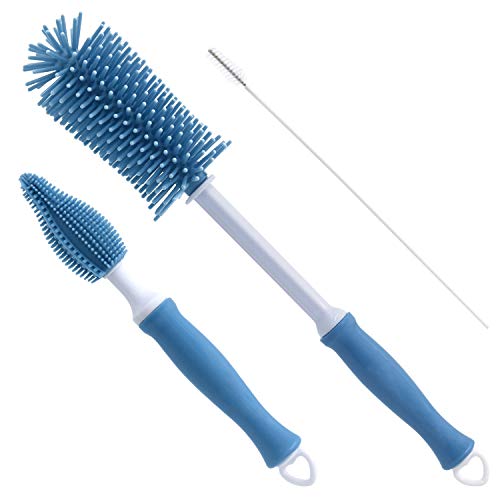
- silicone pacifier cleaning brush – for thorough cleaning around the nipple and shield
- baby bottle nipple brush with silicone bristles – flexible bristles reach tight spots
- microwave sterilizer for pacifiers – quick sterilization in minutes
- portable pacifier sterilizer case – compact, travel-friendly sanitizing option
- baby bottle brush set with sponge and nipple brush – comprehensive cleaning kit


Before You Start
Ensure all items are clean before use and inspect for wear. Wash hands and prepare a clean workspace. Use warm, not hot, water to avoid warping accessories. Check care instructions on each item, as some plastics or silicone may degrade with harsh chemicals or high heat. Critical cautions: never boil pacifiers that are not labeled as boil-safe unless the manufacturer approves, and always ensure items are completely dry before reassembly to prevent mold growth. Time estimate: 15–25 minutes for a full clean, longer if you sanitize and air-dry.
Step-By-Step: How To Clean Bibs Pacifier And Accessories
- Rinse bibs and pacifiers under warm running water to remove surface debris.
- Apply a mild, baby-safe detergent and work into a gentle lather, focusing on the nipples, shields, and bib fasteners.
- Use the silicone pacifier cleaning brush to scrub around the nipple mouthpiece and the hard-to-reach seams.
- Switch to the baby bottle nipple brush with silicone bristles for a deeper clean on small parts and to avoid scratching softer surfaces.
- Rinse thoroughly to remove all soap residue. Inspect items for signs of wear or damage; discard if compromised.
- Option A: Microwave sterilize the pacifiers using a microwave sterilizer for pacifiers according to package directions.
- Option B: After cleaning, place items in a portable pacifier sterilizer case for travel or when a microwave isn’t available, following the case’s instructions.
- Air-dry on a clean, elevated rack away from dust and pets. Ensure complete dryness before reassembly or storage.
- Store bibs and pacifiers in a clean, dry container to preserve hygiene until the next use.
- If using a full baby bottle brush set with sponge and nipple brush, perform a routine restock check to replace worn brushes and sponges regularly.
- For seasonal or post-illness cleaning, repeat the sanitizing step to ensure maximum safety.
Troubleshooting
| Symptom | Likely Cause | Fix | Prevention |
|---|---|---|---|
| Items retain a strong odor after washing | Soap residue or trapped moisture | Rewash with an extra rinse cycle; ensure full drying | Rinse thoroughly; use fragrance-free soap |
| Pacifier silicone feels sticky after wash | Soap residue or heat damage | Rinse well; avoid high-heat drying | Use mild soap and air-dry completely |
| Nipple shield shows cracks | Wear and tear from frequent use or heat | Replace with new parts | Inspect regularly and rotate replacements |
| Sterilizer cloudy or not working | Residue buildup | Follow manufacturer cleaning instructions; run a cleaning cycle | Regularly clean sterilizer components |
| Drying takes too long | Limited airflow | Place on a rack with air circulation | Keep workspace dry and dust-free |
Common Mistakes
- Using harsh detergents or bleach on silicone parts
- Overheating pacifiers in the microwave sterilizer
- Not rinsing completely, leaving soap film on surfaces
- Storing damp items, which can promote mold growth
- Neglecting to inspect for wear and tear, risking ingestion of loose pieces
Tip: Always follow the manufacturer’s care instructions for each item and replace worn components promptly.
Tips For Best Results
- Pre-sort pacifiers by size and type to prevent cross-contamination during cleaning.
- Use the silicone pacifier cleaning brush and baby bottle nipple brush with silicone bristles together for a thorough clean.
- Keep a dedicated, sealable container for clean pacifiers and bibs to maintain hygiene between uses.
- When traveling, rely on the portable pacifier sterilizer case to minimize exposure to germs.
- Schedule a weekly deep clean, including sterilization, to maintain optimal hygiene levels.
Call A Professional
Seek professional help if a pacifier or nipple shows deep cracks, fading color, or if there is persistent residue that cannot be removed with standard cleaning. If a child experiences repeated allergic reactions or rashes after chewing or sucking on pacifiers, consult a pediatrician for guidance on suitable substitutes and cleaning practices.
FAQ
How often should I sterilize pacifiers?
Daily sterilization is recommended, especially for newborns and when a child is ill.
Can I use dish soap to clean pacifiers?
Yes, a mild, fragrance-free dish soap can be used, followed by a thorough rinse.
Are silicone brushes safe for baby products?
Yes, silicone brushes are gentle on baby silicone and durable for repeated cleaning.
Is microwave sterilization safe for all pacifiers?
Only if the pacifier is labeled microwave-safe by the manufacturer.
Buying Guide
When choosing cleaning tools for bibs, pacifiers, and related gear, consider size, material compatibility, and ease of use. A silicone pacifier cleaning brush paired with a baby bottle nipple brush with silicone bristles ensures gentle yet effective scrubbing, while a microwave sterilizer for pacifiers offers quick sanitizing options. For travel, a portable pacifier sterilizer case keeps items sanitary on the go. A comprehensive baby bottle brush set with sponge and nipple brush covers all cleaning needs in one kit. Look for BPA-free materials, dishwasher-safe parts, and durable handles. Compare ease of use, dry times, and space requirements to fit your routine and living space.