Chalkboards, whether in classrooms, studios, or home offices, benefit from regular cleaning to maintain a clear writing surface. Proper care prevents ghosting, extends the board’s life, and keeps colors vibrant. This guide provides practical steps, tools, and tips for effective chalkboard cleaning using common supplies and specifically recommended products.
By following a consistent routine, you can remove dust, chalk residue, and ghost marks without harsh scrubbing. The methods below emphasize safe cleaning solutions, suitable cloths, and the right erasers to keep your chalkboard looking fresh between uses.
Quick Answer
Dust the board with a microfiber chalkboard cleaning cloth, wipe with a chalkboard cleaner spray for a streak-free finish, then erase lingering residue with a wooden chalkboard eraser or magnetic eraser with felt strips. For stubborn ghosting, repeat with a dedicated chalkboard eraser replacement felt pads and a light spray of cleaner. Dry with a clean cloth to prevent streaks.
What You’ll Need
- Chalkboard cleaner spray 16 oz non-streak formula
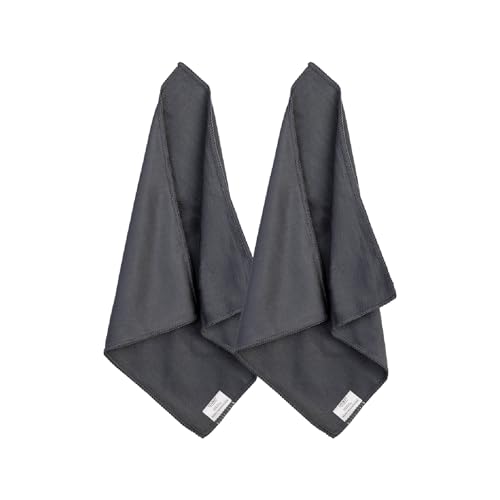
- Microfiber chalkboard cleaning cloth 12×12 inches
- Wooden chalkboard eraser with felt pad
- Magnetic chalkboard eraser with felt strips
- Chalkboard eraser replacement felt pads


Before You Start
Set aside a clean, dry workspace and protect nearby surfaces from cleaner sprays. Ventilate the area if using liquid formulas. Test any cleaner on a small, inconspicuous area of the board first to ensure no damage or discoloration. Time estimate: 5–15 minutes per cleaning session, depending on board size and amount of chalk buildup. Important cautions include avoiding abrasive scrubbers that can scratch the surface and never mix cleaners with ammonia or bleach.
Step-By-Step: How To Clean A Chalkboard
- Dry dust the board with a microfiber chalkboard cleaning cloth to remove loose chalk before applying any liquid cleaner.
- Apply a light mist of chalkboard cleaner spray 16 oz non-streak formula across the surface, or spray directly onto the cloth for better control.
- Wipe the board in smooth, vertical or horizontal strokes, focusing on ghosted areas where chalk has baked into the surface.
- Switch to a clean part of the cloth and repeat as needed until the surface appears evenly dull-free and clean.
- Eradicate stubborn marks with a wooden chalkboard eraser with felt pad or a magnetic chalkboard eraser with felt strips, working in small sections.
- For persistent ghosting, use chalkboard eraser replacement felt pads as needed and wipe again with a fresh cloth dampened lightly with cleaner.
- Dry the board with a dry microfiber cloth to remove any remaining moisture and prevent streaks.
- Finish by performing a quick pass with a dry cloth to ensure a uniform, ghost-free finish.
- Label or re-mark the board after it dries to confirm the surface is ready for writing.
- Store cleaning products and tools out of reach of children and away from direct sunlight to preserve cleaner efficacy.
- Schedule regular cleanings based on usage: high-traffic boards may need daily attention; hobby boards can be weekly.
- If your board has a varnish or special coating, consult the manufacturer’s care instructions before polishing or cleaning.
Troubleshooting
| Symptom | Likely Cause | Fix | Prevention |
|---|---|---|---|
| Streaks after cleaning | Residual cleaner or moisture | Wipe with a dry microfiber cloth until completely dry | Use a small amount of cleaner and ensure drying steps are thorough |
| Ghosting or faint marks | Chalk buildup or surface wear | Repeat cleaning with cleaner, then use replacement felt pads on erasers | Clean regularly to minimize buildup; avoid pressing too hard |
| Discoloration or surface damage | Harsh cleaners or abrasive tools | Switch to mild cleaner and non-abrasive cloths | Follow manufacturer recommendations; test first |
| Residual smell from cleaner | Strong solvent in cleaner | Ventilate the area and use a milder formula | Store cleaner with proper cap and away from heat |
Common Mistakes
- Using bleach or ammonia-based cleaners on chalkboards
- Scrubbing with abrasive pads that scratch the surface
- Over-wetting the board, leaving moisture behind
- Neglecting to dry the board after cleaning
Tips For Best Results
- Clean the board at regular intervals to prevent heavy chalk buildup.
- Use the microfiber chalkboard cleaning cloth for the initial dusting step to trap chalk particles effectively.
- Rotate among the erasers—wooden with felt and magnetic with felt strips—to distribute wear evenly.
- Store cleaning cloths clean and dry to avoid transferring dust during use.
- Avoid cleaning on a hot surface or in direct sunlight to prevent cleaner drying too quickly and leaving streaks.
Call A Professional
Call a professional if the chalkboard surface shows persistent ghosting that does not respond to routine cleaning, if the surface appears chipped or heavily worn, or if the board has a specialized coating you cannot clean safely. Severe staining, severe cracking, or delamination of the surface require expert assessment.
FAQ
What kind of cleaner is best for chalkboards?
A dedicated chalkboard cleaner spray with a non-streak formula is recommended for most surfaces and keeps lines clear without residue.
Can I use microfiber cloths to clean chalkboards?
Yes, microfiber cleaning cloths are ideal for trapping chalk dust and preventing scratches on the surface.
How often should a chalkboard be cleaned?
High-use boards may require daily cleaning; lighter-use boards can be cleaned weekly or as needed to maintain visibility.
What should I do if ghosting persists after cleaning?
Re-clean with a fresh cloth and cleaner, use replacement felt pads on erasers, and consider a deeper clean of stubborn ghosting areas.
Is it safe to clean a chalkboard with water alone?
Water can help, but a dedicated cleaner improves streak-free results and reduces ghosting more effectively.
Do magnetic erasers damage the board?
When used properly and kept clean, magnetic erasers with felt strips are safe and help remove residue without scratching.
Buying Guide
Choosing the right chalkboard cleaning setup depends on board size, usage, and maintenance goals. Consider the following factors to optimize cleaning results:
- Board size and surface type: Larger boards may benefit from a spray cleaner and a larger microfiber cloth. Check if the surface is standard painted slate or a specialty coating, which may require gentler products.
- Noise level and maintenance routines: Cleaning tools are quiet, but if you share a workspace, a low-noise cloth and a spray bottle with a quiet nozzle help keep environments comfortable.
- Energy efficiency and environmental impact: Choose a cleaner that is low in volatile organic compounds (VOCs) and comes in a reusable bottle or refillable format if possible.
- Controls and ease of use: Look for spray cleaners with simple spray triggers and microfiber cloths that don’t shed fibers.
- Placement and storage: Store cleaners away from direct sunlight and heat sources. Keep erasers and replacement felt pads within easy reach near the board.
In practice, a compact cleaning kit that includes a chalkboard cleaner spray 16 oz non-streak formula, a microfiber chalkboard cleaning cloth 12×12 inches, and a choice of erasers (wooden with felt pad or magnetic with felt strips) offers versatile, reliable performance for most American chalkboards. Regular use in combination with the right tools helps maintain a clean, ghost-free writing surface and extends the board’s life for daily use.