Exterior wood doors add curb appeal and curb appeal, but they also endure weather, dirt, and pollution. A clean, well-maintained door protects the wood and keeps the entryway inviting. This guide provides practical steps and the right tools to clean exterior wood doors effectively without damaging the finish.
Quick Answer
Use a wood-safe cleaner sprayed on a soft bristle brush or microfiber cloth, then rinse with a power washer at a low pressure or a damp sponge. Finish with a protective rinse and dry thoroughly. For stubborn grime, repeat the process and consider a light refinishing if the finish is worn.
What You’ll Need
- Exterior wood door cleaning brush or soft bristle brush for wood door cleaning
- Wood-safe cleaner for exterior doors spray
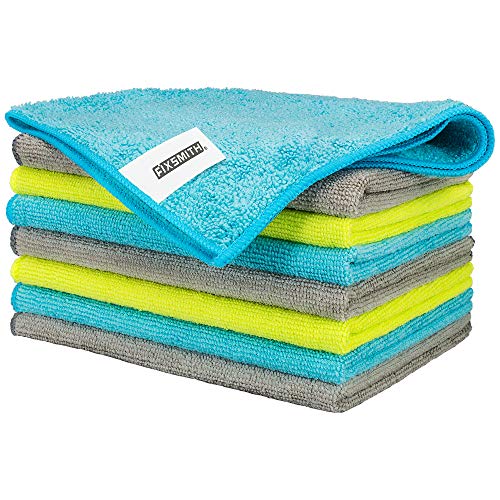
- Microfiber cloth set for exterior wood door cleaning
- Adjustable spray nozzle for power washer exterior wood


Before You Start
Assess the door finish: smooth paint, varnish, or stain may react differently to cleaners and water. Protect surrounding trim and hardware with painter’s tape if needed. Work in mild conditions to prevent rapid drying or water spotting. Allow adequate ventilation if using cleaners with solvents. Avoid high-pressure washers on untreated wood, which can gouge fibers and lift the finish. Set a comfortable water temperature and test a small area first.
Step-By-Step: How To Clean Exterior Wood Door
- Remove or cover hardware to prevent water or cleaner contact with hinges and handles.
- Combine a wood-safe cleaner for exterior doors with water according to label directions in a spray bottle or container.
- Dip a soft bristle brush for wood door cleaning into the cleaning solution and gently scrub the door’s surface in small sections.
- For stubborn grime, switch to a exterior wood door cleaning brush with softer bristles and reapply the cleaner.
- Rinse using a adjustable spray nozzle for power washer exterior wood on a low setting or use a damp cloth to wipe away residue.
- Wipe the door dry with a microfiber cloth set for exterior wood door cleaning, removing any remaining moisture and preventing watermarks.
- Inspect the finish after drying; lightly buff with a dry cloth to restore the sheen if needed.
- Repeat the process for any remaining dirty seams, especially around panels and decorative molding.
- Apply a maintenance coat of the appropriate finish if the wood shows signs of wear or if cleaning reveals dull areas.
- Clean the surrounding area of any overspray and store brushes and cloths properly for next use.
- Document any repairs or refinishing needs for future maintenance planning.
- Proceed with routine cleanings every 6–12 months or as needed after severe weather events.
Troubleshooting
| Symptom | Likely Cause | Fix | Prevention |
|---|---|---|---|
| Spotty finish after wash | Harsh cleaner or high pressure | Switch to wood-safe cleaner and low pressure | Test on a hidden area first |
| Water staining or streaks | Uneven drying | Dry with microfiber and wipe in the direction of grain | Work in shade and wipe promptly |
| Finish peeling after cleaning | Old or damaged finish | Lightly sand and reapply finish | Regular maintenance and gentle cleaners |
| Brackets or decorative panels still dirty | Crevices trap grime | Use a small brush to reach tight areas | Clean with a spray bottle and cloth during maintenance |
Common Mistakes
- Using high-pressure washers on unsealed wood, which can cause damage.
- Using harsh chemical cleaners that strip the finish or discolor the wood.
- Skipping thorough drying, leading to water spots or mold growth.
- Neglecting to protect hardware and surrounding trim during cleaning.
Tips For Best Results
- Work in shaded conditions to prevent rapid drying and streaking.
- Test cleaners on a small, inconspicuous area before full application.
- Choose a cleaner labeled safe for exterior wood and compatible with your finish.
- Use long, even strokes to minimize streaks and ensure even coverage.
- Follow up with a protective sealant or finish refresh if the wood shows wear.
Call A Professional
Seek professional help if the door has significant damage, such as deep cracks, water saturation, or finish failure that requires sanding, staining, or refinishing. Stop and contact a pro if moisture issues persist after cleaning, or if your door is part of a historic property where specific finishes are required.
FAQ
Can I use a household cleaner on an exterior wood door?
Yes, if it’s labeled safe for wood and suitable for exterior use. Prefer wood-safe cleaners to protect the finish.
Is it okay to power wash an exterior wood door?
Only with a low pressure setting and from a safe distance to avoid damage and water intrusion.
How often should I clean an exterior wood door?
Typically every 6–12 months, or sooner after heavy rain, pollen, or environmental buildup.
What should I do if the finish looks worn after cleaning?
Consider light sanding and reapplication of the appropriate sealant or finish once the door is dry.
Do I need to seal or protect the door after cleaning?
Yes. Apply a suitable sealant or finish to prolong life and maintain appearance.
What’s the best way to dry the door after cleaning?
Use a microfiber cloth to wipe and dry, then let air dry completely before reinstalling hardware.
Can I clean around weatherstripping without damage?
Gently wipe around weatherstrips with a damp cloth, avoiding aggressive scrubbing near seals.
Buying Guide
When selecting tools and products for cleaning exterior wood doors, consider these factors:
- <bSize and reach: Choose brushes and cloths that fit panel grooves and decorative elements without abrasion.
- <bNozzle and water control: An adjustable spray nozzle helps tailor pressure to wood type and finish.
- <bCleaner composition: Prefer wood-safe cleaners formulated for exterior use to protect finishes and environmental safety.
- <bMaterial compatibility: Ensure brushes, cloths, and cleaners are compatible with your door’s finish (paint, stain, or varnish).
- <bDrying and protection: Have microfiber cloths on hand and consider a follow-up protective sealant if the finish appears worn.
Additionally, compare cleaning kits that bundle a soft bristle brush, microfiber cloths, and a spray cleaner for a streamlined approach. For doors with intricate joinery, a detail brush or smaller brush head can improve results. If the door experiences frequent exposure to harsh weather, consider a maintenance plan that includes periodic refinishing to maintain color and durability.