Butcher block cutting boards bring warmth and practicality to kitchens, but they require regular cleaning and conditioning to prevent odors, stains, and drying cracks. This guide walks American homeowners through safe, effective methods to clean, sanitize, and maintain wooden boards without risking damage.
Quick Answer
Clean with mild soap and warm water, dry quickly, and recondition with food-grade oil or a beeswax-based conditioner. For deep cleaning, a gentle scrub with a board brush and periodic oiling keeps the surface smooth and food-safe.
What You’ll Need
- Food-grade mineral oil for butcher block cutting board 16oz
- Butcher block conditioner beeswax mineral oil 4oz
- Cutting board oil and conditioner set
- Board cleaning brush nylon bristles for cutting boards
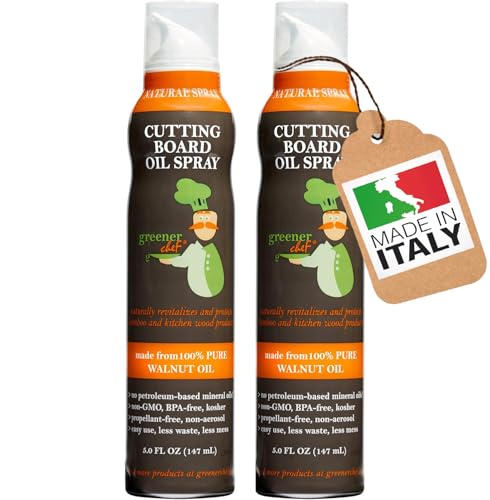
- Cutting board mineral oil spray bottle for wood boards


Before You Start
Before cleaning, clear the board of any food debris. Use warm, not hot, water to avoid warping. Wash promptly after use to prevent bacterial growth. Safety notes: never submerge an unfinished wood board for extended periods, and avoid harsh chemical cleaners that can leave residues. Time estimate: 5–10 minutes for routine cleaning; 20–30 minutes for a thorough refresh if the board is heavily stained or dry. Crucial cautions: do not place a wooden board in the dishwasher; never soak it; avoid exposing untreated surfaces to prolonged moisture.
Step-By-Step: How To Clean A Butcher Block Cutting Board
- Rinse the board under warm running water to loosen food particles, then pat dry with a clean towel.
- Apply a small amount of mild dish soap and scrub with a board cleaning brush nylon bristles for cutting boards to lift oils and residues.
- Rinse thoroughly to remove all soap residues, then blot dry with a clean towel.
- If odors or stains persist, sprinkle a light layer of coarse salt or baking soda and scrub with the nylon brush, then rinse again.
- Dry the board completely on a rack or upright to ensure both surfaces dry evenly; never leave it damp to air-dry flat.
- Once dry, liberally apply food-grade mineral oil or a cutting board oil and conditioner set to the surface, spreading evenly with a soft cloth or paper towel.
- Let the oil soak in for 20–60 minutes, then wipe off any excess with a clean cloth.
- For ongoing protection, use a butcher block conditioner beeswax mineral oil every 1–3 weeks, or as needed, especially in dry climates.
- Store the board upright or on edge to promote airflow and prevent moisture buildup on the underside.
- Optionally, check for warping by placing the board on a flat surface; if edges rock, repeat conditioning and ensure proper drying after use.
- Schedule a deeper refresh monthly or seasonally by repeating the oiling and conditioning sequence to maintain surface integrity.
Troubleshooting
| Symptom | Likely Cause | Fix | Prevention |
|---|---|---|---|
| Wood feels dry or rough | Surface dehydrated | Apply mineral oil or conditioner, allow absorption, wipe clean | Oil regularly; avoid exposing to heat |
| Stains persist after cleaning | Deep-set color from foods | Use baking soda scrub, re-oil, repeat as needed | Wipe moisture promptly; use cutting board mats |
| Board develops odor | Residual bacteria/food smell | Clean with warm soapy water, sanitize with mild vinegar rinse (dilute) | Dry promptly; oil after cleaning |
| Oil quickly wears off after application | Board porosity or drying environment | Apply thin coats more frequently; consider beeswax conditioner | Maintain humidity balance in kitchen |
Common Mistakes
- Using harsh detergents or abrasive cleaners that strip natural oils
- Submerging the board in water or placing it in the dishwasher
- Omitting thorough drying, leading to warping or mold
- Over-oiling in one spot, causing a tacky residue
Tips For Best Results
- Choose a food-grade mineral oil for butcher block cutting board 16oz or the cutting board oil and conditioner set for balanced protection.
- Apply oil in the direction of the grain for even absorption.
- Use a dedicated board cleaning brush nylon bristles for cutting boards to avoid cross-contamination with meat surfaces.
- Keep a cutting board mineral oil spray bottle for wood boards handy for quick touch-ups between deep cleanings.
- Rotate boards if multiple surfaces are used to distribute wear evenly.
Call A Professional
Consider professional help if the board shows deep cracks, persistent warping, or mold growth that doesn’t improve with cleaning and conditioning. Seek a woodworker or kitchen-ware specialist if structural damage affects usability or safety.
FAQ
Can I use mineral oil on all wooden boards?
Most wooden cutting boards benefit from food-grade mineral oil, but check manufacturer guidance for specific finishes or treatments.
How often should I oil my butcher block?
Regular oils or conditioners are recommended every 1–3 weeks in dry environments, or after every few cleanings if the board is heavily used.
Is it safe to sanitize a cutting board with vinegar?
Yes, a mild vinegar rinse can help sanitize, but rinse thoroughly and re-oil afterward to restore moisture.
What’s the difference between mineral oil and beeswax conditioner?
Mineral oil protects and nourishes; beeswax adds a protective film that helps lock in moisture and reduce drying.
Buying Guide
Choosing the right care products for a butcher block depends on board size, usage, and climate. Key buying factors include size and versatility, noise level during cleaning, energy efficiency of spray bottles, controls on conditioner sets, and placement in the kitchen.
Consider these perspectives:
- Size and capacity: A larger 16oz bottle is convenient for frequent users; smaller 4oz tins suit occasional maintenance. If you have multiple boards, a combination kit works well.
- Purity and safety: Select food-grade mineral oil and beeswax conditioners to ensure food safety and odor neutrality.
- Application tools: A dedicated brush and a spray bottle simplify routine care and reduce cross-contamination.
- Storage and placement: Store care products in a cool, dry place away from direct sunlight to maintain efficacy.
- Maintenance frequency: Weather and kitchen humidity influence how often you oil; set a maintenance schedule that matches usage patterns.
- Bundle value: A cutting board oil and conditioner set can streamline purchases and ensure balanced protection across items.
- Ease of use: Look for user-friendly packaging and clear instructions to ensure safe, effective application.
With the right products and routine, a butcher block cutting board remains a safe, durable kitchen workhorse. Ready to refresh your board? Start with a gentle cleaning, then seal the surface with a mineral oil or conditioner, and schedule regular upkeep to extend its life.