Water scale, or limescale, builds up over time in kettles, toilets, coffee makers, and showerheads. This guide provides practical, safe methods to remove mineral deposits using common household products and commercially available descalers. The methods focus on household-grade remedies and easy-to-find cleaners to keep appliances running efficiently without damage.
By following the steps and safety tips below, American households can reduce scale buildup, improve appliance performance, and extend the life of fixtures without harsh or abrasive cleaners.
Quick Answer
Best quick method: For most appliances, use a vinegar-based descaler solution or a purpose-made descaler tablet. Soak, run, or apply as directed, then rinse thoroughly. For stubborn deposits, repeat and finish with a clean hot-water rinse. If scale persists in toilets or fixtures, consider a dedicated toilet remover or limescale spray for targeted contact.
What You’ll Need
Gather these tools and products before starting. The list emphasizes common descalers and household options to tackle different surfaces.
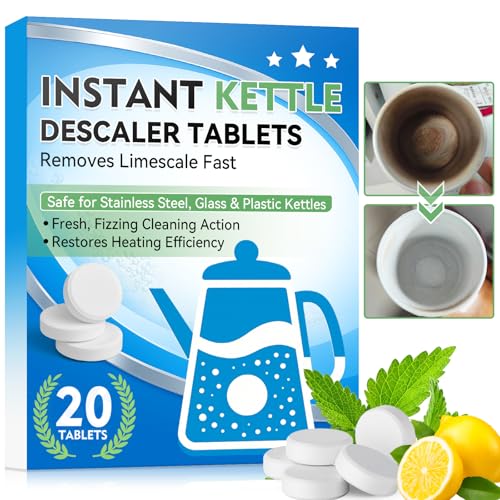
- kettle descaler tablets 8-pack
- bathroom limescale remover spray 24 oz
- calcium lime scale remover for toilet 24 oz
- vinegar descaler solution for coffee maker 1 liter
- magnetic water conditioner descaler for home use


Before You Start
Prepare the area and read product labels fully. Remove any removable parts from appliances and ensure power is off when applicable. For porcelain and enamel surfaces, test a small inconspicuous area first. Typical time estimates range from 15 minutes for a rinse to several hours for soaking, depending on severity. Never mix chemical cleaners with bleach or ammonia. Use gloves, ventilate the room, and follow manufacturer directions for each product.
Step-By-Step: How To Remove Water Scale Safely
- Empty the kettle or appliance and remove removable filters or parts as needed.
- For kettles, place 1–2 kettle descaler tablets into the reservoir and add water as directed; let stand for 15–30 minutes.
- Rinse the kettle thoroughly, then boil a fresh pot of water and discard to remove any residue.
- Apply bathroom limescale remover spray to fixtures with visible deposits; let dwell according to label, then scrub gently with a non-scratch sponge.
- For toilets, apply calcium lime scale remover around the bowls and let sit as instructed; scrub with a toilet brush and flush to rinse.
- Run a bottle of vinegar descaler solution through a coffee maker or kettle to dissolve mineral buildup; follow with a water-only rinse cycle.
- Install or activate a magnetic water conditioner descaler as directed to reduce future scale formation in plumbing.
- Rinse all treated surfaces with clean water and dry with a cloth to prevent water spots.
- Inspect for any remaining deposits and repeat the most effective method on stubborn areas if needed.
- Do a final, thorough rinse of all appliances before returning parts to normal use.
- Dispose of used descaler fluids according to local regulations and clean up the workspace.
Troubleshooting
| Symptom | Likely Cause | Fix | Prevention |
|---|---|---|---|
| Deposits return quickly after cleaning | Recurring mineral content | Use preventive descalers or a magnetic water conditioner | Regular light cleaning schedule |
| Streaks or white film after rinse | Improper rinsing or residue | Rinse with hot water longer; dry surfaces | Follow recommended rinse cycles |
| Weak cleaning on heavy buildup | Deposits were too thick | Repeat treatment or use stronger toilet/remover product | Address buildup sooner |
| Unpleasant odor after cleaning | Residual cleaner left in appliance | Run multiple clean water cycles | Ventilate and follow label guidance |
Common Mistakes
- Using abrasive pads on enamel or porcelain surfaces
- Mixing cleaners with bleach or ammonia
- Neglecting thorough rinsing after descaling
- Overestimating dwell times, leading to surface damage
- Ignoring manufacturer guidelines for specific appliances
Tips For Best Results
- Schedule regular light descaling to prevent heavy buildup
- Use vinegar solutions as a low-cost, eco-friendly option where safe
- Test any product in a hidden area before broad application
- Warm water accelerates mineral dissolution; avoid boiling extremes on delicate surfaces
- Complement chemical descalers with a magnetic water conditioner to reduce future scaling
Call A Professional
Seek professional help if deposits are severe, if scaling affects plumbing efficiency, or if appliances fail to operate after multiple cleaning attempts. Signs to contact a pro include persistent leaks, unusual noises, or if descalers cause discoloration or surface damage.
FAQ
Can I use vinegar on all appliances?
Vinegar is effective on many surfaces but should not be used on granite, marble, or certain fabrics. Always check manufacturer guidance before applying.
How often should I descale kitchen appliances?
Light descaling every 1–3 months helps prevent heavy buildup, especially in areas with hard water.
Is a magnetic water conditioner effective for all homes?
Magnetic conditioners can reduce scaling in many cases, but results vary by water chemistry and system design. Consider them as part of a broader maintenance plan.
What safety steps are essential for descaling?
Wear gloves and eye protection, ensure good ventilation, and never mix cleaners with bleach. Follow label instructions for all products used.
Buying Guide
Choosing the right descaling approach involves considering several factors. Does the water in your area have hard mineral content that causes rapid buildup? If so, a combination of descaling products and preventive measures can help.
Key factors include:
- Size and scope: For kettles and small appliances, tablets or liquid descalers work well; larger fixtures like toilets may benefit from specialized toilet removers.
- Noise level: Some cleaning cycles or sprays can emit sound; pick quieter formulations for bedrooms or dense housing.
- Energy efficiency: Regular descaling helps appliances run more efficiently and consume less energy.
- Controls and compatibility: Ensure cleaners are suitable for the material (stainless steel, enamel, porcelain) and follow temperature directions.
- Placement and accessibility: Store descalers where they’re easy to reach for routine maintenance but out of reach of children.
When evaluating options, consider a multi-product approach: targeted toilet and bathroom cleaners for fixtures, a vinegar-based descaler for everyday use, and a preventive measure like a magnetic water conditioner. Balancing effectiveness, safety, and ease of use will yield the best long-term results for homes dealing with mineral scale.