Drywall work can leave a fine, pervasive layer of dust on furniture surfaces. Proper cleaning not only improves appearance but also protects fabrics and finishes from abrasion and residue buildup. This guide provides practical steps, suitable tools, and safety notes to help American homeowners tackle drywall dust on various furniture items efficiently.
By following a clear process and using recommended tools, household dust can be removed without spreading the dust to other rooms. The approach prioritizes gentle methods for delicate fabrics and robust methods for wood and upholstered pieces.
Quick Answer
Quick Method: Start with a microfiber cloth to lift dust, then follow with a HEPA-filtered vacuum for heavy surfaces. For persistent dust on upholstery, use a tacky roller to pick up clingy particles, finishing with a microfiber duster to refresh the surface.
What You’ll Need
- microfiber dusting cloth for drywall dust furniture
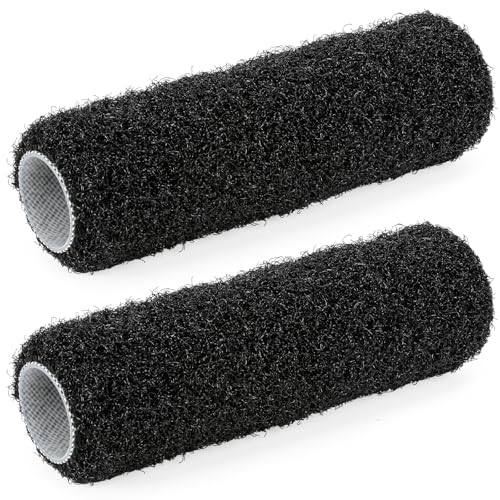
- tacky dust roller for drywall dust removal
- HEPA vacuum with upholstery brush for drywall dust
- handheld vacuum with dusting brush for drywall dust furniture
- extendable microfiber duster for drywall dust furniture


Before You Start
Clear the area around the piece of furniture to gain full access to surfaces. Lay down a drop cloth or old sheet to catch falling dust and protect floors. Work in a well-ventilated space to minimize inhalation exposure. Avoid sweeping vigorously as it may push dust into the air and resettle on surfaces. Test cleaning tools on inconspicuous areas first to ensure no scratching or color transfer occurs. Time estimate: 20–45 minutes per larger piece, less for small items.
Step-By-Step: How To Clean Drywall Dust From Furniture
- Assess the surface. Determine if the furniture is wood, veneer, metal, leather, or fabric to select the safest cleaning method.
- Dry dusting start. Use an extendable microfiber duster for drywall dust furniture to remove loose dust from high surfaces and crevices without bending or kneeling excessively.
- Delicate fabrics first. For fabric upholstery, run a extendable microfiber duster lightly over cushions to lift surface dust, then proceed with a handheld vacuum with dusting brush for drywall dust furniture.
- Vacuum method for solid surfaces. Attach the HEPA vacuum with upholstery brush for drywall dust and gently vacuum all wood, veneer, and metal surfaces. Keep the nozzle at a slight distance to avoid scratching.
- Sticky particles removal. For stubborn dust clinging to surfaces, roll a tacky dust roller for drywall dust removal across the area in smooth, even strokes to pick up particles without residue.
- Detail the edges and corners. Use microfiber dusting cloth for drywall dust furniture to wipe along baseboards, trim, and any decorative channels. Use light pressure to avoid damage.
- Second pass with vacuum. Go over the entire surface again with the HEPA vacuum with upholstery brush for drywall dust to remove loosened dust and collected debris.
- Soft refresh for smooth finishes. Finish with a dry extendable microfiber duster to remove any remaining fine particles and restore sheen on wood or laminate surfaces.
- Fabric protection tip. If fabric cushions show repeated dust buildup, consider a light, fabric-safe cleaner following manufacturer guidelines and re-test in an inconspicuous area.
- Inspect and re-clean. After the interior has settled, re-check surfaces for any lingering dust and repeat steps on problem spots if necessary.
- Post-clean plan. Put tools away and shake out or launder the cloths and duster as needed to prepare for future dust events.
Troubleshooting
| Symptom | Likely Cause | Fix | Prevention |
|---|---|---|---|
| Dust reappears quickly on furniture | Post-work leftovers or airflow recirculation | Re-vacuum with HEPA unit; seal off the area while cleaning | Close doors; use air scrubbers during remodeling |
| Scratching when cleaning wood surfaces | Rough cloth or excessive pressure | Switch to microfiber and use light strokes | Test on hidden area before full cleaning |
| Fabric cushions look dull after cleaning | Over-wetting or harsh cleaners | Dry wipe first; if needed, use a mild cleaning solution following care label | Use dry methods first; avoid soaking fabrics |
| Dust buildup on metal or glass surfaces | Static cling and trapped dust | Wipe with microfiber dampened lightly with water or approved cleaner | Regular light dusting to prevent heavy buildup |
Common Mistakes
- Using a wet cloth on unfinished wood or water-sensitive surfaces, causing warping or staining.
- Overloading the tacky roller, which can leave residue on fabrics and finish.
- Relying on a single tool for all surfaces; different textures require different approaches.
- Neglecting to shield nearby items or electronics from dust circulation.
Awareness of material types and tool behavior helps prevent damage and improves cleaning efficiency during drywall dust cleanup.
Tips For Best Results
- Always work from top to bottom to prevent dust from resettling on cleaned areas.
- Keep a small vacuum handy to address quick touch-ups between sessions.
- Choose tools with soft edges and non-abrasive surfaces for delicate finishes.
- Use the extender on long handles to minimize bending and reduce fatigue.
- Wear a lightweight mask if one must stay in the room during cleanup.
Call A Professional
Consider contacting a professional if dust appears deep-set in upholstery, fabric, or finishes, or if presence of dust coincides with signs of moisture damage, mold, or electrical exposure. Seek help when cleaning requires disassembly of large furniture, or when allergies or respiratory concerns are a factor.
FAQ
What is the best tool for drywall dust on fabric furniture?
The combination of a handheld vacuum with a dusting brush for drywall dust furniture and a tacky dust roller works well for fabrics, followed by microfiber brushing.
Can I use water to clean drywall dust on wood furniture?
Water should be used sparingly on sealed wood; otherwise, use a dry microfiber method to avoid staining or warping.
How often should I clean drywall dust from furniture during renovations?
Daily light dusting is recommended during ongoing work; deep cleaning once or twice a week helps prevent buildup.
Is HEPA vacuum necessary for drywall dust cleanup?
HEPA filtration helps capture fine particles and improves indoor air quality, especially in small rooms or for sensitive occupants.
How do I protect furniture after cleaning?
Use a soft dusting schedule and consider fabric protectants or sealants suitable for your furniture type, following manufacturer guidelines.
What should I avoid when cleaning drywall dust from metal surfaces?
Avoid abrasive pads or excessive moisture which can lead to corrosion or staining.
Should I wear protective gear during cleanup?
Wearing a mask and eye protection can reduce inhalation risk and protect against dust irritation.
Buying Guide
When selecting tools for drywall dust on furniture, consider size, noise, energy efficiency, controls, and placement factors. A combination approach usually yields the best outcome: a long-reach microfiber duster for vented overhead areas, a HEPA vacuum for deep cleaning, and a tacky roller for quick surface grabs. Compare models with adjustable suction on vacuums to handle both delicate fabrics and hard surfaces. For spaces with limited storage, choose compact, multi-use tools designed for furniture care. If furniture sits near electronics, prioritize tools with non-scratch pads and gentle brushes. Finally, select tools with easy maintenance and washable covers to sustain performance over time.
Would you like recommendations tailored to your furniture type and room layout? Identifying the room size, typical dust levels, and the primary surface materials will help refine the best tool mix for drywall dust cleanup.