White porcelain sinks bring a clean, classic look to kitchens and bathrooms, but they show water spots, soap scum, and mineral deposits quickly. With the right tools and steps, a porcelain sink can regain its bright finish without harsh scrubbing. This guide outlines a practical, safe method using common household products and the provided porcelain-specific accessories.
Quick Answer
Rinse the sink, apply a porcelain-safe cleaner, scrub with a nylon-bristle brush or melamine sponge, rinse thoroughly, and dry with a microfiber cloth to prevent water spots. For tough stains, try a 1:1 mix of baking soda and water or a porcelain sink pumice stone with light pressure on non-etched surfaces.
What You’ll Need
- Porcelain sink pumice stone 4 inch
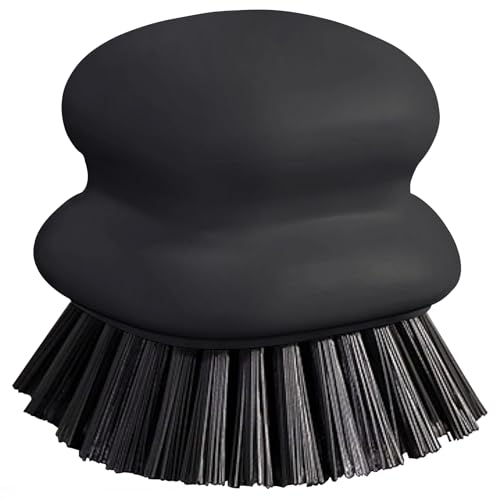
- Porcelain sink scrub brush nylon bristles
- Melamine sponge for porcelain sink cleaning
- Microfiber cleaning cloth for porcelain sink polishing
- Porcelain sink cleaner spray kit


Before You Start
Clear the area around the sink and remove all dishes. Check for any peels or cracks in the porcelain; avoid abrasive tools on damaged surfaces. Wear gloves to protect hands and ensure good ventilation if using sprays. Time estimate: 10–20 minutes for routine cleaning; 30–40 minutes for heavy buildup. Avoid harsh acids or steel wool on porcelain, which can scratch or dull the finish.
Step-By-Step: How To Clean A White Porcelain Sink
- Rinse the sink with warm water to remove loose debris and soften residue.
- Spray the porcelain sink cleaner kit evenly over the interior, focusing on stained areas.
- Let the cleaner sit for 2–3 minutes to break down soap scum and mineral deposits.
- Use the nylon bristle scrub brush to gently scrub the sink, applying circular motions to reach corners.
- For stubborn stains, dampen a melamine sponge and wipe the affected area with light, even pressure.
- Rinse thoroughly with clean water to remove all cleaner residue.
- Wipe the surface dry with a microfiber cleaning cloth to prevent water spots.
- For mineral buildup around drains, reapply a small amount of cleaner and rub with the sponge or brush before a final rinse.
- Inspect for any remaining stains; repeat steps if needed, using the mildest approach first.
- Finish by drying the entire surface and buffing with a dry microfiber cloth for a polished shine.
- Store cleaning tools within easy reach and wipe tools clean after use to prevent transfer of grime.
- Occasionally perform a routine wipe-down to maintain the porcelain’s brightness and prolong cleanliness.
Troubleshooting
| Symptom | Likely Cause | Fix | Prevention |
|---|---|---|---|
| White film after cleaning | Residual cleaner or hard water minerals | Rinse thoroughly and dry with microfiber; re-wipe with a small amount of cleaner if needed | Rinse and dry after each use; use a water-softening solution if minerals persist |
| Scratches or dull spots | Abrasive cleaners or tools | Switch to nonabrasive sponges and ensure no steel wool is used | Use only porcelain-safe tools on the surface |
| Stubborn soap scum in crevices | C ree residue buildup | Apply cleaner, let sit longer, scrub with a brush | Regular cleaning schedule to prevent buildup |
| Discoloration near the drain | Mineral deposits or rust stains | Apply baking soda paste and scrub gently; rinse well | Wipe dry after use to avoid mineral staining |
Common Mistakes
- Using abrasive pads or steel wool on porcelain surfaces.
- Letting cleaners sit too long and causing residue.
- Using very hot water on cold porcelain, which can cause crazing in some coatings.
- Neglecting to dry the sink, which leads to water spots and mineral deposits.
Tips For Best Results
- Dry the sink after each cleaning to reduce water spots and streaks.
- Test any cleaner on a small inconspicuous area first to ensure compatibility.
- Use the microfiber cloth to buff the surface to a high-gloss finish.
- Schedule periodic deep cleanings to prevent hard-water buildup in corners and around drains.
Call A Professional
Consider contacting a professional if the porcelain shows hairline cracks, deep crazing, or persistent staining that resists standard cleaning methods. If the sink is older or has visible damage, a pro can assess whether refinishing or replacement is needed. Seek immediate help if there are any signs of water leakage around joints or beneath the sink, which may indicate plumbing or structural issues.
FAQ
What’s the best cleaner for porcelain sinks?
A porcelain-safe cleaner kit or a mild baking soda paste used with a nonabrasive sponge is typically effective.
Can I use a pumice stone on porcelain?
Yes, but only on intact surfaces and with light pressure to avoid scratching.
How do I remove hard water spots?
Rinse, dry, and buff with a microfiber cloth; if spots persist, use a damp melamine sponge gently.
Is it safe to use bleach on porcelain sinks?
Bleach can be used sparingly, but test first and avoid prolonged exposure to prevent discoloration.
How often should I clean a porcelain sink?
Wipe down daily to remove residue and perform a deeper clean weekly or biweekly, depending on use.
Buying Guide
When choosing cleaning tools and supplies for a white porcelain sink, consider size, material compatibility, and ease of use. A 4-inch porcelain sink pumice stone is ideal for localized deposits, while nylon-bristle brushes provide safer scrubbing. Melamine sponges offer quick stain removal on non-etched surfaces, and microfiber cloths deliver a spotless finish without lint. A dedicated porcelain sink cleaner spray kit helps ensure you’re using products designed for porcelain material. Evaluate how often you clean, the level of buildup you typically see, and storage space for your kit.