Faux leather shoes offer a versatile, budget-friendly alternative to genuine leather. Proper cleaning helps preserve color, texture, and overall appearance while extending the life of the footwear. This guide provides practical steps, tool recommendations, and troubleshooting tips tailored for American households.
By following a methodical approach, users can remove dirt, restore shine, and prevent cracking or staining on synthetic surfaces often labeled as faux or synthetic leather.
Quick Answer
Use a soft brush or microfiber cloth to wipe away surface dirt, apply a faux leather shoe cleaner spray kit or a gentle soap solution, then condition with a synthetic leather conditioner. Dry naturally away from direct heat, and buff with a microfiber cloth for a clean, uniform finish.
What You’ll Need
- Faux leather shoe cleaner spray kit
- Synthetic leather conditioner for shoes
- Microfiber cleaning cloth for faux leather shoes
- Shoe stain remover for synthetic leather
- Faux leather shoe cleaning kit includes brush
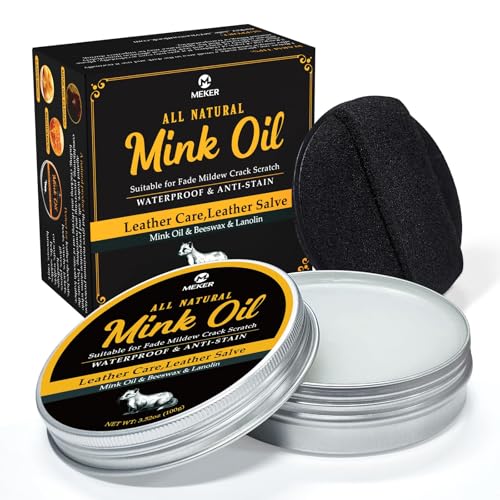

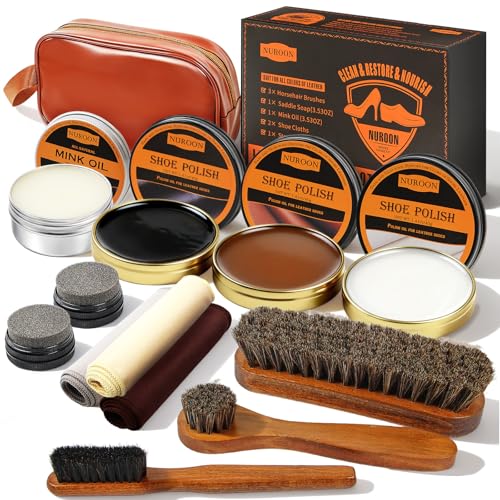
Before You Start
Before cleaning, remove laces and any inserts to access all surfaces. Test any cleaner on a small, inconspicuous area to ensure colorfastness. Work in a well-ventilated area and use lukewarm water—hot water can soften or warp synthetic materials. Drying should occur at room temperature away from radiators or sunlight, which can cause cracking or fading. Avoid harsh solvents, bleach, and abrasive brushes, as these can damage the faux finish and trim.
Estimated prep time: 5–10 minutes. Cleaning time: 15–30 minutes depending on soil level. Conditioning and drying may require an additional 10–20 minutes.
Step-By-Step: How To Clean Faux Leather Shoes
- Remove laces and set them aside; this prevents snagging during cleaning and helps reach interior surfaces.
- Lightly brush or wipe to remove loose dirt with a soft brush or microfiber cloth.
- Prepare a cleaning solution: mix mild soap with lukewarm water or use the faux leather shoe cleaner spray kit as directed.
- Apply the cleaner to a microfiber cloth, not directly onto the shoe, and wipe in circular motions to lift dirt from the surface.
- For stubborn stains, apply a small amount of shoe stain remover for synthetic leather to the affected area and gently rub until the stain loosens.
- Rinse the cloth and wipe away any soap residue. Ensure the surface is clean but not oversaturated.
- Pat dry with a clean, dry microfiber cloth and let air-dry away from heat sources.
- Once dry, apply a thin layer of synthetic leather conditioner for shoes to restore moisture and suppleness.
- Buff lightly with a dry microfiber cloth to restore surface sheen and uniform appearance.
- Re-lace the shoes and store in a cool, dry place away from direct sunlight to prevent drying and cracking.
- For routine care, repeat the cleaning process monthly or as needed based on wear and exposure.
Troubleshooting
| Symptom | Likely Cause | Fix | Prevention |
|---|---|---|---|
| White or cloudy film after cleaning | Soap residue or over-wetting | Wipe with a clean, damp cloth to remove residue, then dry completely | Use minimal cleaner and avoid soaking |
| Cracking or stiffness after cleaning | Over-drying or harsh cleaners | Apply a light coat of synthetic leather conditioner | Avoid heat and harsh chemicals |
| Stubborn ink or dye transfer | Colored stains penetrate surface | Use a dedicated stain remover for synthetic leather and repeat cautiously | Test first and address stains promptly |
| Fading color | Sunlight exposure or aggressive cleaning | Clean with approved products and limit sun exposure | Store away from direct light |
Common Mistakes
- Using harsh household cleaners or bleach on faux leather, which can damage coatings.
- Over-wetting the material, leading to warping or prolonged drying times.
- Skipping a conditioning step, resulting in stiff or cracked surfaces over time.
- Rubbing aggressively with rough brushes, which can scratch or wear away the finish.
Tips For Best Results
- Always test cleaners on a hidden area before full use to gauge colorfastness.
- Use a dedicated microfiber cloth for cleaning and a separate one for drying and buffing to prevent transferring dirt.
- Address stains promptly; fresh stains are easier to remove than set-in marks.
- Conditioning returns suppleness and helps repel future stains; schedule regular maintenance.
- Store shoes in a cool, dry location, preferably in a dust bag or box to protect the finish.
Call A Professional
Seek professional help if the faux leather shows deep cracking, significant color loss, or persistent staining that refuses to respond to at-home methods. If the material is peeling, or if cleaning worsens the appearance, a repair or replacement assessment by a shoe care specialist may be warranted.
FAQ
Can I use general household cleaners on faux leather shoes?
Generally no; use products designed for synthetic leather to avoid damage. Always test in a small area first.
How often should faux leather shoes be cleaned?
Routine light cleaning after wear is recommended, with a deeper clean every few weeks depending on use and exposure.
Is conditioning essential for faux leather?
Yes, conditioning helps maintain flexibility and appearance, reducing the risk of cracking over time.
Will cleaning remove scuffs or light scratches?
Minor scuffs can often be minimized with proper cleaning and conditioning, but deep scratches may require professional care or replacement.
Buying Guide
When choosing products for cleaning faux leather shoes, consider material compatibility, user-friendliness, and the type of care provided by each item. Size and packaging matter for households with multiple pairs, while a compact kit can be ideal for travel. Look for clear usage instructions and safety notes on the label.
Key buying factors include
- Size and contents: Are there brushes, sprays, and cloths all included?
- Cleaning power and gentleness: Does the formula remove dirt without weakening the finish?
- Conditioner formulation: Is the conditioner specifically designed for synthetic leather and does it leave a natural finish?
- Surface compatibility: Ensure the product is suitable for the specific faux leather type on the shoes.
- Ease of use: Is the kit straightforward for beginners and does it include clearly labeled steps?
- Reusability and storage: Can the kit be stored easily between cleanings?
For best results, choose a kit or combination of products that cover cleaning, stain removal, and conditioning, with a soft brush or microfiber cloth included. Consider the environment and whether you prefer spray formats for quick touch-ups or liquid formulas for deeper cleaning. Assess your needs by the number of pairs and typical level of exposure (rain, mud, urban grime), and select products that offer safe, proven results on synthetic leather surfaces.