Keeping a pool cover clean protects the pool, extends the cover’s life, and reduces debris that can sneak into the water. This guide explains practical steps to remove leaves, dirt, and standing water from a typical residential pool cover using common tools and safety practices.
Quick Answer
Start with dry debris removal using a pool cover rake, then scrub stubborn dirt with a pool cover cleaning brush. Remove water with a submersible pump, finish with a gentle squeegee for lingering moisture, and repeat as needed after heavy storms.
What You’ll Need
- 36 inch pool cover rake for debris removal
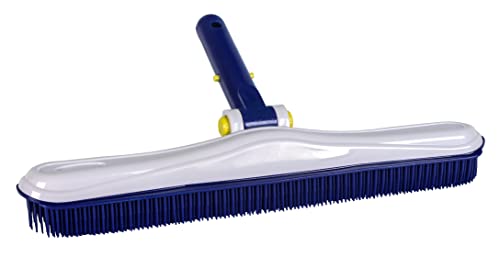
- pool cover cleaning brush poly bristles
- manual pool cover squeegee for water and leaves
- submersible pool cover pump for excess water
- pool cover cleaning kit with deck brush and scrubber


Before You Start
Inspect the cover for rips or tears and note any areas that require repair after cleaning. Confirm that power outlets and electrical cords are dry and away from the pool area to prevent shock risks. Clear the surrounding deck or patio to create space for safe movement around the cover. Time estimate: 30–60 minutes for a typical cover, longer after storms. Important: never pull or step on a partially uncovered pool; use the proper tools to avoid damaging the cover or injuring yourself.
Step-By-Step: How To Clean A Pool Cover
- Close the pool valves and ensure the pool equipment will not run unattended while you work on the cover.
- Spread the pool cover rake across the surface and pull debris toward a central pile to minimize tearing the cover.
- Use the deck brush with poly bristles to loosen dirt stuck to the cover’s surface, working from the edges toward the center.
- Remove loose debris with the pool cover rake and place it into a durable bag or container for disposal.
- Position the submersible pool cover pump near the highest point of standing water and slowly remove water, taking care not to disrupt the cover’s tension.
- After pumping, use the manual pool cover squeegee to push the remaining water toward the edge and off the cover if the water level is safe to drain away from the pool.
- Rinse the brush and rinse the cover with clean water if a material-safe cleaner is used, then re-scrub any stubborn spots with the deck brush and scrubber.
- Check the cover’s underside for trapped debris, remove it with the rake, and ensure the cover lies flat when the water recedes.
- Allow the cover to dry completely before folding or storing it, reducing mold risk and extending life.
- Inspect for damage or wear after cleaning; document any repairs needed for the off-season maintenance plan.
- Prepare for next season by testing ease of removal and re-covering; note any tools that would streamline future cleanings.
Troubleshooting
| Symptom | Likely Cause | Fix | Prevention |
|---|---|---|---|
| Leaves gather faster after rain | Cover has gaps or loose edges | Inspect and reseal edges; adjust anchors | Regularly skim debris during heavy wind seasons |
| Debris clogs pump | Fine debris entering pump intake | Use a pre-filter or screen; clean intake before use | Clean cover before pumping heavy debris |
| Water doesn’t drain after pumping | Drainage path blocked or cover is too tight | Clear edges and ensure sag allows flow | Leave slight slope toward drain area |
| Streaks or residue on cover after cleaning | Harsh cleaners or excessive scrubbing | Switch to mild, compatible cleaners; reduce scrubbing force | Test cleaner on a small area first |
| Rips or tears appear | Excess tension or sharp objects beneath cover | Repair promptly; avoid dragging tools over the cover | Remove sharp debris prior to storage |
Common Mistakes
- Using metal tools that can puncture the cover
- Removing water too aggressively, which can pull the cover unevenly
- Cleaning in direct sunlight on hot surfaces, which can damage materials
- Ignoring safety steps around electricity and wet areas
Carrying out maintenance with the right tools minimizes risk and extends the cover’s life.
Tips For Best Results
- Schedule a mid-season inspection to catch wear before it worsens
- Clean in moderate weather; avoid cleaning on windy days to control debris
- Rinse tools after use to prevent dirt transfer when storing
- Store tools in a dry, shaded area to prevent rust and degradation
- Label and organize your tools for quicker future cleanups
Call A Professional
Consider professional help if you notice:
- Large rips, significant wear, or mold growth on the cover
- Persistent water pooling that won’t drain properly
- Electrical concerns near the pool area or equipment
Experts can assess cover integrity, suggest replacements, and ensure electrical safety and proper installation.
FAQ
How often should I clean a pool cover?
Clean at least every three to four weeks during warm seasons or after heavy storms to prevent buildup.
Can I use a pressure washer on a pool cover?
Avoid high-pressure washing as it can damage the cover. Use gentle brushing and misted water instead.
What cleaners are safe for pool covers?
Use mild, non-acidic cleaners specifically labeled for pool covers or the material type of your cover.
Should I remove a pool cover entirely during cleaning?
Yes, if feasible. If the cover is heavy or attached, clean sections safely in place and avoid overstraining the structure.
Is a pool cover pump necessary?
A pump helps remove pooled water quickly, reducing weight and stress on the cover.
What is the best order to clean a pool cover?
Start with debris removal, then loosen dirt, remove water, scrub spots, rinse, and dry before storing.
Buying Guide
When selecting tools and a cleaning routine for a pool cover, consider size, debris load, and cover material. A larger deck brush paired with a 36 inch pool cover rake makes removing leaves and twigs efficient. A submersible pool cover pump is helpful after storms to quickly reduce standing water. For routine maintenance, a pool cover cleaning kit with deck brush and scrubber ensures you have a matched set of tools that work well together. Look for brushes with durable poly bristles and corrosion-resistant components. Noise-conscious pumps and energy-efficient models can reduce running costs. Finally, ensure tools are compatible with your cover type, whether vinyl, mesh, or solid, and that they are easy to store and transport. Do you prefer a compact kit or a full-featured set for frequent cleaning? The right combination keeps your pool ready with minimal effort.