Cleaning a refrigerator with vinegar is a natural, affordable way to remove odors and grime without harsh chemicals. This guide offers practical steps, safe preparation, and list of tools to keep appliances spotless and food-safe.
Quick Answer
Use distilled white vinegar mixed with water for a gentle cleaning solution. Wipe shelves, drawers, and gaskets, then rinse with clean water and dry thoroughly to prevent moisture buildup.
What You’ll Need
Gather basic tools and materials to tackle interior and exterior surfaces efficiently. The items below mirror common cleaning needs for appliance maintenance.
- 16oz spray bottle for cleaning with vinegar for easy application inside the fridge
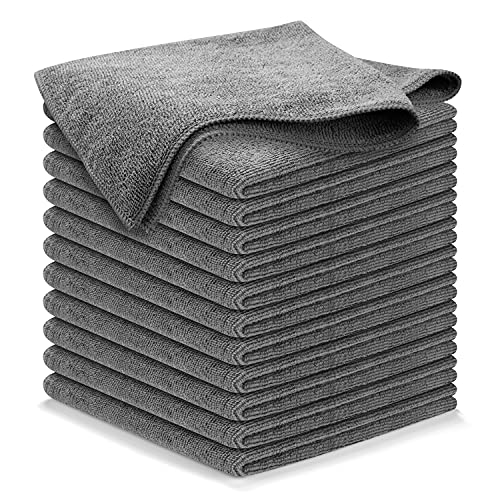
- Microfiber cleaning cloths set for appliance interior to wipe and polish without scratches
- Non-scratch nylon scrub sponge for fridge shelves for stuck-on residue
- 32oz adjustable nozzle spray bottle for kitchen degreaser to mix stronger blends if needed
- Reusable microfiber towels for fridge glass shelves for streak-free drying


Before You Start
Prepare the area and protect surfaces surrounding the fridge. Clear perishable items from the interior, unplug the unit if accessible, and note the door seals. Avoid mixing vinegar with bleach or ammonia as this creates harmful fumes. Plan about 20–40 minutes for a thorough interior clean, depending on the size and level of buildup.
Step-By-Step: How To Clean Refrigerator With Vinegar
- Remove all items and launder shelves if needed. Take out crisper drawers and wire shelves for separate cleaning.
- Dust and wipe the door seals gently with a damp microfiber cloth, taking care not to tear the gaskets.
- Prepare the vinegar solution: mix equal parts distilled white vinegar and water in a 16oz spray bottle.
- Lightly spray the interior surfaces, starting from the top and moving downward to catch drips.
- Let the solution sit for 2–3 minutes on any sticky spots, then use the non-scratch nylon scrub sponge to lift residue.
- Wipe away residue with a clean microfiber cloth, then rinse with a cloth dampened with plain water to remove vinegar traces.
- Dry all surfaces with reusable microfiber towels to prevent moisture buildup and odors.
- Wash removable components (drawers and shelves) in warm soapy water, rinse, and dry thoroughly before reassembly.
- Wipe the exterior doors and handles with the vinegar solution, then buff with a dry cloth for a polished finish.
- Return food items and organizethe interior with space for airflow to prevent rapid mold growth.
Troubleshooting
| Symptom | Likely Cause | Fix | Prevention |
|---|---|---|---|
| Faint vinegar odor lingers | Overuse of vinegar or insufficient airing | Wipe again with plain water and dry thoroughly; leave door ajar briefly | Use diluted solution; ensure proper ventilation |
| Streaks on glass shelves | Residue from cleaners or hard water | Wipe with distilled water and microfiber towels | Rinse cloth often; dry immediately |
| Gasket sticking | Lubrication needed or residue buildup | Wipe gasket with diluted vinegar and dry; avoid harsh scrubbing | Regular quick cleans to prevent buildup |
| Shelves warped after cleaning | Excess moisture or heat exposure | Reassemble when fully dry; avoid high heat | Air-dry components completely |
Common Mistakes
- Using straight vinegar on stone or aluminum finishes—avoid potential discoloration
- Applying cleaner directly to electronics or cooling vents—keep liquids away from sensitive parts
- Rushing drying—residual moisture can trap odors and mold
- Ignoring door seals—gasket buildup reduces efficiency and can trap bacteria
Tips For Best Results
- For heavy grime, switch to a stronger 1:1 vinegar to water mix and let sit longer on tough spots
- Always test a small area first to ensure compatibility with surfaces
- Coordinate cleaning with grocery shopping to minimize time the fridge is unplugged
- Use separate cloths for interior and exterior to prevent cross-contamination of odors
Call A Professional
Call a professional if the refrigerator exhibits persistent leaks, unusual noises, temperature fluctuations, or persistent mold that won’t respond to cleaning. Electrical issues, refrigerant smells, or damage to seals require certified technicians.
FAQ
Can vinegar be used on all fridge surfaces?
Vinegar is generally safe for glass, stainless steel, and plastic surfaces, but test first on delicate finishes to avoid discoloration.
How often should I clean the fridge with vinegar?
Deep interior cleaning every 1–3 months is typical, with quick wipe-downs as needed between shopping trips.
Is it okay to use vinegar on stainless steel doors?
Yes, a diluted vinegar solution followed by a microfiber dry wipe helps prevent streaks; finish with a dedicated stainless steel cleaner if available.
Should I unplug the fridge during cleaning?
Unplugging is advisable for thorough interior cleaning, but only if you can safely access power and return items promptly after drying.
What if odors persist after cleaning?
Consider removing mismatched items, cleaning the door gaskets, and placing an open box of baking soda inside to absorb odors.
Can I use essential oils with vinegar?
Adding a drop to the vinegar solution is optional, but avoid overpowering fragrances if sensitive to smells inside the kitchen.
Buying Guide
When choosing tools for cleaning a refrigerator with vinegar, consider factors such as size, noise level, energy efficiency, controls, and placement within the kitchen space. For most homes, a basic kit that includes a spray bottle, microfiber cloths, a non-scratch sponge, and reusable towels provides flexibility for interior and glass surfaces. Look for durable spray bottles with adjustable nozzles to control mist and reduce overspray. Microfiber cloths should be lint-free and machine washable for repeated use. For shelves and drawers, select a sponge that won’t scratch plastic or glass. Finally, store cleaning supplies in a cool, dry area away from food storage. Would you benefit from having dedicated cleaning supplies stored inside or near the kitchen for quick access? A well-organized kit reduces the time the fridge is out of service and encourages regular maintenance.